Multigrain bread

At a glance
Summary
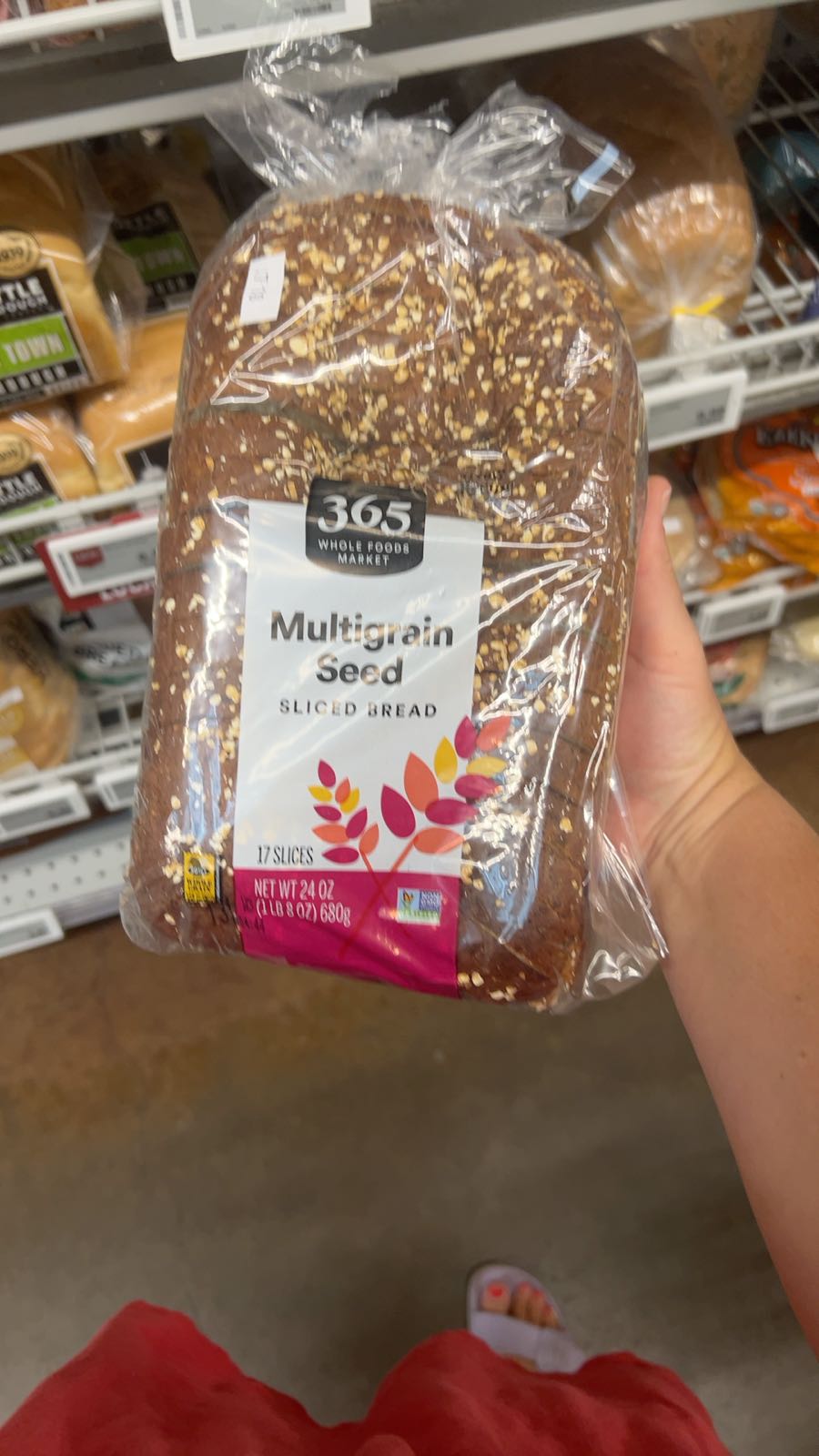
This multigrain bread features a variety of beneficial ingredients such as organic sourdough, flax seeds, and rolled oats, which contribute to its nutritional value. However, the presence of enriched wheat flour and the processed nature of the product limit its score. The bread is relatively clean with minimal additives, but the processing level prevents it from achieving a higher rating. Its plastic packaging can shed microplastics into the food and lowers its score.
Key ingredients 16
Whole and ground brown flax seedsVery Good
Flax seeds are rich in omega-3 fatty acids and fiber, supporting heart health and digestion. They provide lignans, which have antioxidant properties. Ground flax seeds improve nutrient absorption compared to whole seeds.
Risks
May cause digestive discomfort if consumed in large quantities.
Benefits
Rich in omega-3 fatty acids and fiber, supporting heart health and digestion.
Golden flax seedsVery Good
Golden flax seeds are rich in omega-3 fatty acids and fiber, supporting heart health and digestion. They provide lignans, which have antioxidant properties. Ground flax seeds improve nutrient absorption compared to whole seeds.
Risks
May cause digestive discomfort if consumed in large quantities.
Benefits
Rich in omega-3 fatty acids and fiber, supporting heart health and digestion.
Organic sourdoughGood
Organic sourdough is made from organic whole grain rye flour and bacterial culture, promoting gut health. The fermentation process can enhance nutrient absorption. It is a healthier alternative to non-fermented bread.
Benefits
Promotes gut health and enhances nutrient absorption due to fermentation.
Rolled oatsGood
Rolled oats are a whole grain rich in fiber and essential nutrients. They help regulate blood sugar levels and support heart health. Oats are minimally processed, retaining most of their nutritional value.
Benefits
Rich in fiber and essential nutrients, supporting heart health and blood sugar regulation.
Sunflower seedsGood
Sunflower seeds are a good source of healthy fats, protein, and vitamins. They contain vitamin E and selenium, which have antioxidant properties. Whole seeds provide nutritional benefits without the concerns associated with seed oils.
Risks
May cause allergic reactions in some individuals.
Benefits
Provide healthy fats, protein, and antioxidants like vitamin E.
Sea saltGood
Sea salt is a minimally processed source of sodium and trace minerals. It enhances flavor without the additives found in refined salt. It is a healthier alternative to refined table salt.
Risks
Excessive consumption may lead to high blood pressure.
Benefits
Provides trace minerals and enhances flavor naturally.
Apple cider vinegarGood
Apple cider vinegar is known for its potential health benefits, including aiding digestion and balancing pH levels. It is made through fermentation, which can enhance its nutritional profile. It adds a tangy flavor to the bread.
Benefits
May aid digestion and provide beneficial acetic acid.
Wheat branGood
Wheat bran is high in fiber, supporting digestive health and regularity. It is a byproduct of milling wheat and retains many nutrients. It adds texture and nutritional value to the bread.
Risks
May cause digestive discomfort if consumed in large quantities.
Benefits
High in fiber, supporting digestive health and regularity.
Millet seedsGood
Millet seeds are a gluten-free grain rich in fiber and essential nutrients. They support digestive health and provide a good source of magnesium. Millet is a whole grain that retains its nutritional value.
Benefits
Rich in fiber and essential nutrients, supporting digestive health.
WaterNeutral
Water is a basic ingredient used to hydrate and mix other ingredients. It is essential for the dough formation. It does not provide any nutritional benefits or risks.
See more about Water →YeastNeutral
Yeast is used as a leavening agent in bread, helping it rise. It contributes to the texture and flavor of the bread. Yeast itself does not provide significant nutritional benefits.
See more about Yeast →Sugars (raisin juice concentrate)Neutral
Raisin juice concentrate is a natural sweetener derived from raisins. It provides sweetness without the need for refined sugars. It is a more natural alternative to refined sugar.
Risks
May contribute to calorie intake if consumed in excess.
Benefits
Provides natural sweetness and some nutrients from raisins.
Malted barley flourNeutral
Malted barley flour is used to enhance flavor and color in baked goods. It is made from sprouted barley grains. It provides enzymes that can aid in the fermentation process.
Benefits
Enhances flavor and provides enzymes for fermentation.
Cultured wheat starch/flourNeutral
Cultured wheat starch/flour is used as a natural preservative in baked goods. It is made by fermenting wheat flour with bacterial cultures. It helps extend shelf life without synthetic additives.
Benefits
Acts as a natural preservative, extending shelf life.
Citric acidNeutral
Citric acid is a natural preservative and flavor enhancer. It is commonly used in food products to maintain freshness. It is generally recognized as safe when used in moderation.
Benefits
Helps maintain freshness and enhances flavor.
Enriched wheat flourBad
Refined grain flour stripped of bran and germ.
Risks
May contribute to blood sugar spikes due to its refined nature.
Benefits
Provides essential vitamins and minerals due to enrichment.
Processing
Processed Foods
Get the full breakdown in the Scout appTake Scout shopping
Scan any product to see lab results, healthy alternatives, and your personalized analysis.