
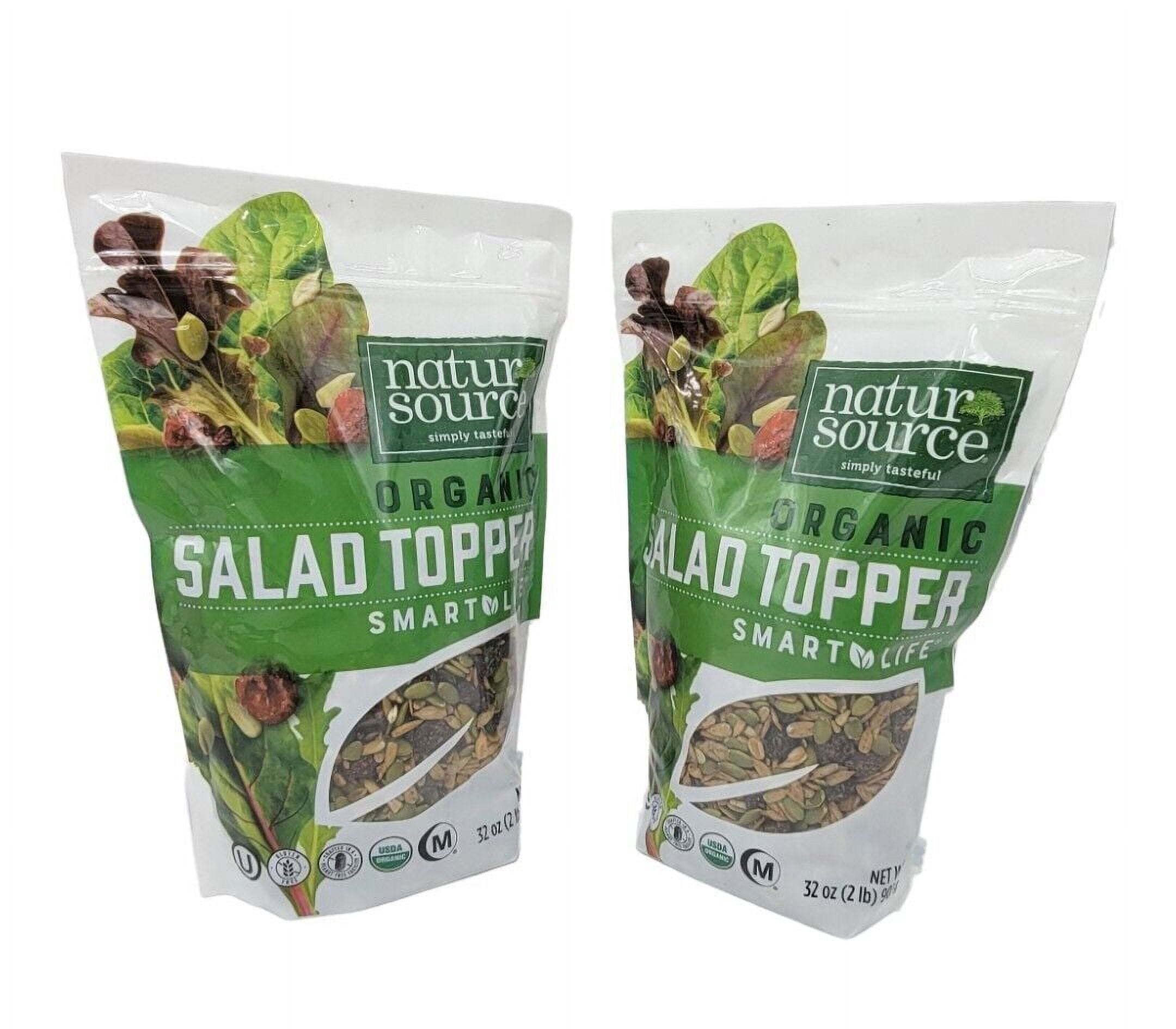
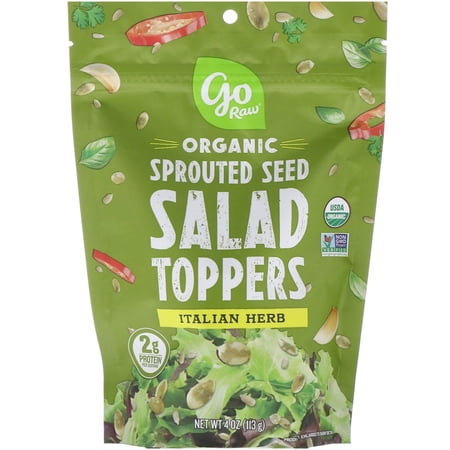
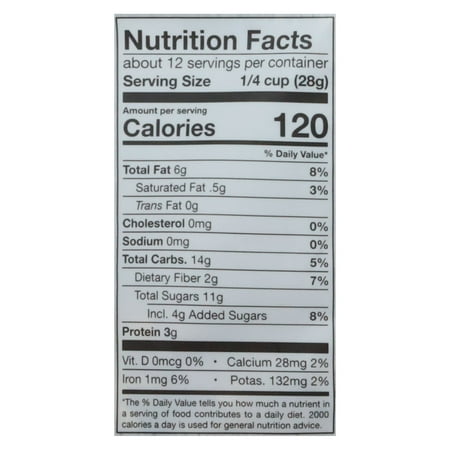

Roasted Garlic Salad Topper
Analysis updated September 2026 · How Scout scores
At a glance
Summary
This product contains a mix of beneficial ingredients like sunflower seeds, pumpkin seeds, cashews, and almonds, which are minimally processed and provide healthy fats and nutrients. However, the presence of refined sugars and expeller pressed canola oil, which is a highly processed seed oil, detracts from its healthiness. Additionally, the use of natural flavors and the overall processing level contribute to a moderate score, as these factors can impact the nutritional quality and transparency of the product.
Key ingredients 16
Sunflower seedsGood
Sunflower seeds are a good source of healthy fats, protein, and essential nutrients like vitamin E. They are minimally processed and provide beneficial antioxidants. Their nutrient profile supports heart health and overall wellness.
Risks
Potential allergen for some individuals.
Benefits
Rich in vitamin E and healthy fats, which support cardiovascular health and provide antioxidant benefits.
Pumpkin seedsGood
Pumpkin seeds are nutrient-dense, offering magnesium, zinc, and healthy fats. They are minimally processed and contribute to a balanced diet. Their nutrient content supports immune function and heart health.
Risks
Potential allergen for some individuals.
Benefits
High in magnesium and zinc, which are important for immune function and heart health.
CashewsGood
Cashews provide healthy fats, protein, and essential minerals like magnesium and copper. They are minimally processed and contribute to a balanced diet. Their nutrient profile supports bone health and energy production.
Risks
Potential allergen for some individuals.
Benefits
Rich in healthy fats and minerals, supporting bone health and energy metabolism.
AlmondsGood
Almonds are a good source of healthy fats, protein, and vitamin E. They are minimally processed and provide beneficial antioxidants. Their nutrient profile supports heart health and skin health.
Risks
Potential allergen for some individuals.
Benefits
High in vitamin E and healthy fats, which support cardiovascular and skin health.
Sea saltGood
Sea salt is a natural source of sodium and trace minerals. It is minimally processed and enhances flavor without the need for additives. Its mineral content can support electrolyte balance.
Risks
Excessive consumption can lead to high blood pressure.
Benefits
Provides essential minerals and enhances flavor naturally.
Garlic powderGood
Concentrated whole-food seasoning.
Benefits
Adds flavor and contains some beneficial compounds found in fresh garlic.
SpicesGood
Whole-food seasonings, antioxidant-bearing.
Benefits
Adds flavor and contains some beneficial compounds found in fresh spices.
Apple cider vinegarGood
Beneficial ingredient — whole-food or functional value in this product class.
Benefits
Adds flavor and may offer some probiotic benefits.
Nutritional yeastNeutral
Nutritional yeast is a deactivated yeast that provides B vitamins and protein. It is minimally processed and often used as a flavor enhancer. While it offers some nutrients, its impact is limited in small quantities.
Benefits
Provides B vitamins and protein, enhancing nutritional value.
Onion powderNeutral
Onion powder is a dehydrated form of onion that adds flavor without significant processing. It retains some of the beneficial compounds found in fresh onions. Its health impact is limited due to the small quantities used.
Benefits
Adds flavor and contains some beneficial compounds found in fresh onions.
Dried herbsNeutral
Dried herbs add flavor and aroma to foods with minimal processing. They retain some beneficial compounds found in fresh herbs. Their health impact is limited due to the small quantities used.
Benefits
Adds flavor and contains some beneficial compounds found in fresh herbs.
Citric acidNeutral
Citric acid is a natural acidulant used to enhance flavor and preserve freshness. It is widely used in food processing and is generally recognized as safe. Its health impact is minimal when consumed in typical amounts.
Benefits
Enhances flavor and preserves freshness in foods.
Acacia gumNeutral
Acacia gum is a natural emulsifier and stabilizer derived from the sap of acacia trees. It is minimally processed and used to improve texture and stability in foods. Its health impact is minimal when consumed in typical amounts.
Benefits
Improves texture and stability in foods.
SugarsBad
Refined sugars like cane sugar and tapioca syrup contribute to empty calories and can lead to health issues when consumed in excess. They are highly processed and lack nutritional benefits. Excessive intake is linked to metabolic disorders.
Risks
High consumption can lead to obesity, diabetes, and other metabolic disorders.
Natural flavorBad
Natural flavors are often highly processed and can contain undisclosed additives. They lack transparency and can mask the quality of the underlying ingredients. Their use is a concern for those with sensitivities or allergies.
Risks
May contain undisclosed additives that could trigger allergies or sensitivities.
Expeller pressed canola oilVery Bad
Canola oil is a seed oil high in omega-6 fatty acids, which can promote inflammation. It is highly processed and often refined, which can degrade its nutritional quality. Its high omega-6 content is a concern for inflammatory health issues.
Risks
High omega-6 content may promote inflammation when consumed in excess.
Processing
Processed Foods
Get the full breakdown in the Scout appTake Scout shopping
Scan any product to see lab results, healthy alternatives, and your personalized analysis.
Download on theApp Store GET IT ONGoogle Play