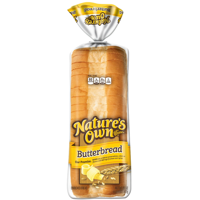
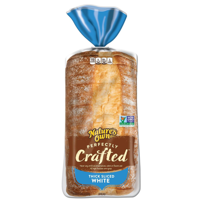
Nature's Own Sourdough

At a glance
Summary
Nature's Own Sourdough contains beneficial ingredients like rye and wheat sourdough, which enhance flavor and digestibility through fermentation, and flax seed meal, which adds omega-3s and fiber. However, the presence of expeller pressed canola oil, a seed oil high in omega-6 fatty acids, detracts from its health profile. The product is moderately processed, which limits its score despite the inclusion of several nutritious components.
Key ingredients 15
YeastGood
Yeast is a natural leavening agent that helps bread rise and develop flavor. It contributes to the fermentation process, which can enhance nutrient availability. Fermented products like sourdough may offer digestive benefits.
Benefits
Aids in fermentation, potentially improving nutrient absorption and digestive health.
Rye SourdoughGood
Rye sourdough is made from fermented rye flour, offering a distinct flavor and potential digestive benefits. Fermentation can increase the bioavailability of nutrients and improve gut health. Rye flour provides more fiber than refined wheat flour.
Benefits
May improve digestion and nutrient absorption due to fermentation. Provides additional fiber compared to refined flours.
Wheat SourdoughGood
Wheat sourdough is made from fermented wheat flour, enhancing flavor and digestibility. The fermentation process can increase nutrient availability and support gut health. Sourdough fermentation may also lower the glycemic index of bread.
Benefits
Supports gut health and nutrient absorption through fermentation. May have a lower glycemic impact compared to non-fermented bread.
Flax Seed MealGood
Flax seed meal is rich in omega-3 fatty acids, fiber, and lignans, which support heart health and digestion. It is a whole food ingredient that adds nutritional value to bread. The presence of fiber can aid in maintaining healthy cholesterol levels.
Benefits
Rich in omega-3s and fiber, supporting heart health and digestion.
Acerola Cherry PowderGood
Acerola cherry powder is rich in vitamin C and antioxidants, supporting immune health. It is a natural ingredient that adds nutritional value to the product. The antioxidants present can help reduce oxidative stress.
Benefits
Rich in vitamin C and antioxidants, supporting immune function and reducing oxidative stress.
Wheat FlourNeutral
Wheat flour is a staple ingredient in bread, providing structure and texture. It is a refined carbohydrate, which can lead to rapid spikes in blood sugar levels. Whole grain alternatives offer more fiber and nutrients compared to refined wheat flour.
Risks
Refined wheat flour can contribute to blood sugar spikes and lacks the fiber found in whole grains.
Benefits
Provides essential carbohydrates for energy, though whole grain options are more nutritious.
WaterNeutral
Water is a fundamental ingredient in bread, necessary for dough formation and yeast activation. It is a neutral ingredient with no direct health impacts. Its quality can affect the final texture and taste of the bread.
Benefits
Essential for dough hydration and yeast activation in bread making.
Wheat GlutenNeutral
Wheat gluten is added to improve the elasticity and texture of bread. It is a protein found in wheat, which can be problematic for those with gluten sensitivities or celiac disease. For most people, it is a harmless ingredient that enhances bread quality.
Risks
Can cause adverse reactions in individuals with gluten intolerance or celiac disease.
Benefits
Improves bread texture and elasticity, contributing to a better baking quality.
SaltNeutral
Salt is used to enhance flavor and control yeast activity in bread. It is a necessary ingredient but should be consumed in moderation due to potential health risks associated with high sodium intake. Unrefined salts offer trace minerals, but regular table salt is neutral.
Risks
Excessive sodium intake can lead to hypertension and cardiovascular issues.
Benefits
Enhances flavor and helps regulate yeast activity in bread making.
SugarNeutral
Sugar is used in small amounts to feed yeast and enhance browning in bread. While it provides quick energy, excessive consumption can lead to health issues like obesity and diabetes. In this product, sugar is present in minimal amounts.
Risks
Excessive sugar intake can contribute to obesity and metabolic disorders.
Benefits
Provides energy and aids in yeast fermentation and browning.
Cultured Wheat FlourNeutral
Cultured wheat flour is treated with natural cultures to improve shelf life and flavor. It is a minimally processed ingredient that can enhance the bread's taste profile. The fermentation process may offer slight digestive benefits.
Benefits
May enhance flavor and shelf life through natural fermentation processes.
VinegarNeutral
Vinegar is used as a natural preservative and flavor enhancer in bread. It is a neutral ingredient with no significant health impacts when used in small amounts. Vinegar can also contribute to the acidity balance in sourdough.
Benefits
Acts as a natural preservative and flavor enhancer in bread.
Malted Barley FlourNeutral
Malted barley flour is used to enhance flavor and improve dough fermentation. It is a natural ingredient that contributes to the bread's taste and texture. The malting process can increase enzyme activity, aiding in dough development.
Benefits
Enhances flavor and fermentation, contributing to better dough quality.
EnzymesNeutral
Enzymes are added to improve dough handling and bread texture. They are naturally occurring proteins that aid in the breakdown of starches and proteins. Enzymes are generally recognized as safe and have no direct health impacts.
Benefits
Improve dough handling and texture, enhancing the bread-making process.
Expeller Pressed Canola OilVery Bad
Canola oil is a seed oil high in omega-6 fatty acids, which can promote inflammation when consumed in excess. Expeller pressing is a mechanical extraction method that avoids chemical solvents, but the oil still retains a high omega-6 content. Alternatives like olive oil offer healthier fat profiles.
Risks
High omega-6 content may promote inflammation when consumed in excess.
Processing
Processed Foods
Get the full breakdown in the Scout appTake Scout shopping
Scan any product to see lab results, healthy alternatives, and your personalized analysis.
Are you Nature's Own? Fix an error Get the badge Get tested
Amazon pricing & content
Amazon price as of . Product prices and availability are accurate as of the date/time indicated and are subject to change. Any price and availability information displayed on Amazon.com at the time of purchase will apply to the purchase of this product.
CERTAIN CONTENT THAT APPEARS ON THIS SITE COMES FROM AMAZON. THIS CONTENT IS PROVIDED “AS IS” AND IS SUBJECT TO CHANGE OR REMOVAL AT ANY TIME.