

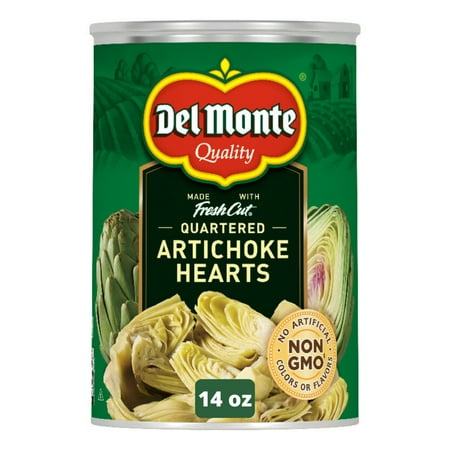


At a glance
Summary
The marinated artichoke hearts contain beneficial ingredients like artichoke hearts, vinegar, sea salt, and garlic, which offer nutritional benefits and flavor. However, the use of vegetable oil, such as soybean or sunflower oil, introduces a high level of omega-6 fatty acids, which can promote inflammation. The product's processing level and the presence of this oil limit its health score.
Key ingredients 9
Artichoke heartsGood
Artichoke hearts are a nutrient-rich vegetable with high fiber content. They provide antioxidants and support digestive health. Their natural form is minimally processed, retaining most of their nutritional benefits.
Benefits
Rich in fiber and antioxidants, artichoke hearts support digestive health and may help reduce cholesterol levels.
VinegarGood
Vinegar is a natural preservative that adds flavor and acidity to foods. It can aid in digestion and has antimicrobial properties. The acetic acid in vinegar may help regulate blood sugar levels.
Risks
Excessive consumption may lead to digestive discomfort.
Benefits
May aid in digestion and help regulate blood sugar levels due to its acetic acid content.
Sea saltGood
Sea salt is a minimally processed source of sodium and trace minerals. It enhances flavor and helps preserve food. Unlike refined salt, it retains natural minerals that can be beneficial in small amounts.
Risks
Excessive sodium intake can lead to high blood pressure and cardiovascular issues.
Benefits
Provides essential sodium and trace minerals that support electrolyte balance and nerve function.
SpicesGood
Whole-food seasonings, antioxidant-bearing.
Benefits
May provide antioxidant benefits depending on the specific spices used.
GarlicGood
Garlic is known for its potential health benefits, including antimicrobial and anti-inflammatory properties. It contains allicin, which may support heart health. Fresh garlic retains more beneficial compounds compared to processed forms.
Risks
May cause digestive discomfort in some individuals when consumed in large amounts.
Benefits
Contains allicin, which may support heart health and provide antimicrobial benefits.
Ascorbic acidGood
Vitamin C — beneficial even when serving as a preservative.
Benefits
Acts as an antioxidant and helps preserve the color and freshness of the product.
WaterNeutral
Water is used as a solvent and carrier in food products. It is essential for maintaining moisture and texture in canned foods. As a neutral ingredient, it does not contribute additional nutrients or risks.
See more about Water →Citric acidNeutral
Citric acid is a natural preservative and flavor enhancer. It is commonly used to maintain acidity and prevent spoilage. While it is naturally found in citrus fruits, in processed foods it is often used in small amounts.
Benefits
Helps maintain acidity and preserve the freshness of the product.
Vegetable oilVery Bad
Vegetable oil, such as soybean or sunflower oil, is high in omega-6 fatty acids, which can promote inflammation. These oils are often extracted using high heat and chemicals, which may degrade their nutritional quality. The high omega-6 content can disrupt the omega-3 to omega-6 balance in the diet.
Risks
High omega-6 content may promote inflammation when consumed in excess.
Processing
Processed Foods
Get the full breakdown in the Scout appTake Scout shopping
Scan any product to see lab results, healthy alternatives, and your personalized analysis.
Download on theApp Store GET IT ONGoogle Play