



At a glance
Summary
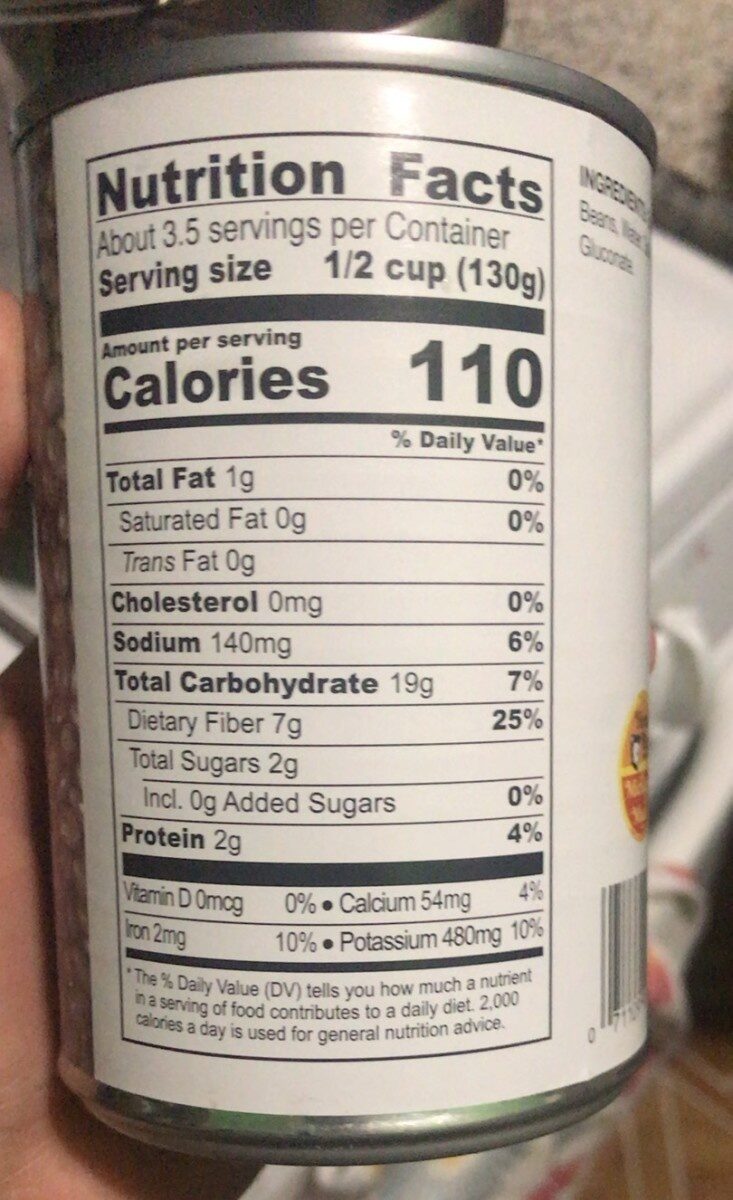
This tomato sauce contains canola oil, a seed oil that is highly processed and can contribute to inflammation due to its omega-6 fatty acid content. The product is moderately processed, which limits its score potential. However, it does contain beneficial ingredients like tomatoes and spices, which provide some nutritional value.
Key ingredients 10
SpicesGood
Whole-food seasonings, antioxidant-bearing.
Benefits
May provide antioxidants and anti-inflammatory compounds, depending on the specific spices used.
Tomato pureeNeutral
Tomato puree is a concentrated form of tomatoes, providing a rich source of vitamins and antioxidants. It is typically processed to remove water content, enhancing flavor and shelf life. While nutritious, it lacks the fiber and texture of whole tomatoes.
Benefits
Rich in lycopene, an antioxidant that may reduce the risk of certain diseases. Provides vitamins A and C, supporting immune function and skin health.
Diced tomatoesNeutral
Diced tomatoes in tomato juice offer a fresh tomato flavor and are a source of essential nutrients. They are minimally processed, retaining much of the original fruit's nutritional profile. However, they may contain added sodium for preservation.
Risks
Potential for added sodium which can contribute to high blood pressure if consumed in excess.
Benefits
Provides vitamins C and K, as well as potassium, which supports heart health and blood pressure regulation.
SaltNeutral
Salt is used as a seasoning and preservative, enhancing flavor and extending shelf life. It is a refined product, lacking the trace minerals found in unrefined salts. Excessive consumption can lead to health issues such as hypertension.
Risks
High sodium intake is associated with increased risk of hypertension and cardiovascular diseases.
Benefits
Essential for maintaining fluid balance and nerve function in the body.
Dehydrated onionsNeutral
Dehydrated onions provide flavor and some nutritional benefits similar to fresh onions. The dehydration process removes water, concentrating the flavor and extending shelf life. However, some nutrient loss may occur during processing.
Benefits
Contains quercetin, an antioxidant that may support heart health and reduce inflammation.
Dehydrated garlicNeutral
Dehydrated garlic retains much of the flavor and some health benefits of fresh garlic. The dehydration process concentrates the flavor and extends shelf life. Some loss of volatile compounds may occur during processing.
Benefits
Contains allicin, which may support cardiovascular health and immune function.
Citric acidNeutral
Citric acid is a natural preservative and flavor enhancer commonly used in food products. It is typically derived from citrus fruits or produced via fermentation. While generally safe, it can cause irritation in sensitive individuals.
Risks
May cause irritation or allergic reactions in sensitive individuals.
Benefits
Helps preserve food by lowering pH and inhibiting microbial growth.
Onion extractNeutral
Onion extract is used to impart flavor and may contain some of the beneficial compounds found in fresh onions. It is a concentrated form, often used in small amounts. The extraction process may reduce some nutrient content.
Benefits
May provide some antioxidant benefits similar to fresh onions, depending on the concentration.
Garlic extractNeutral
Garlic extract is used for flavor and may offer some health benefits similar to fresh garlic. It is a concentrated form, often used in small amounts. The extraction process may reduce some of the volatile compounds.
Benefits
May provide cardiovascular and immune support due to the presence of allicin.
Canola oilVery Bad
Canola oil is a seed oil high in omega-6 fatty acids, which can promote inflammation when consumed in excess. It is often highly processed and refined, which may reduce its nutritional quality. Compared to healthier oils like olive oil, it lacks beneficial monounsaturated fats.
Risks
High omega-6 content may promote inflammation and imbalance omega-3 to omega-6 ratio in the diet.
Processing
Processed Foods
Get the full breakdown in the Scout appTake Scout shopping
Scan any product to see lab results, healthy alternatives, and your personalized analysis.
Download on theApp Store GET IT ONGoogle Play