


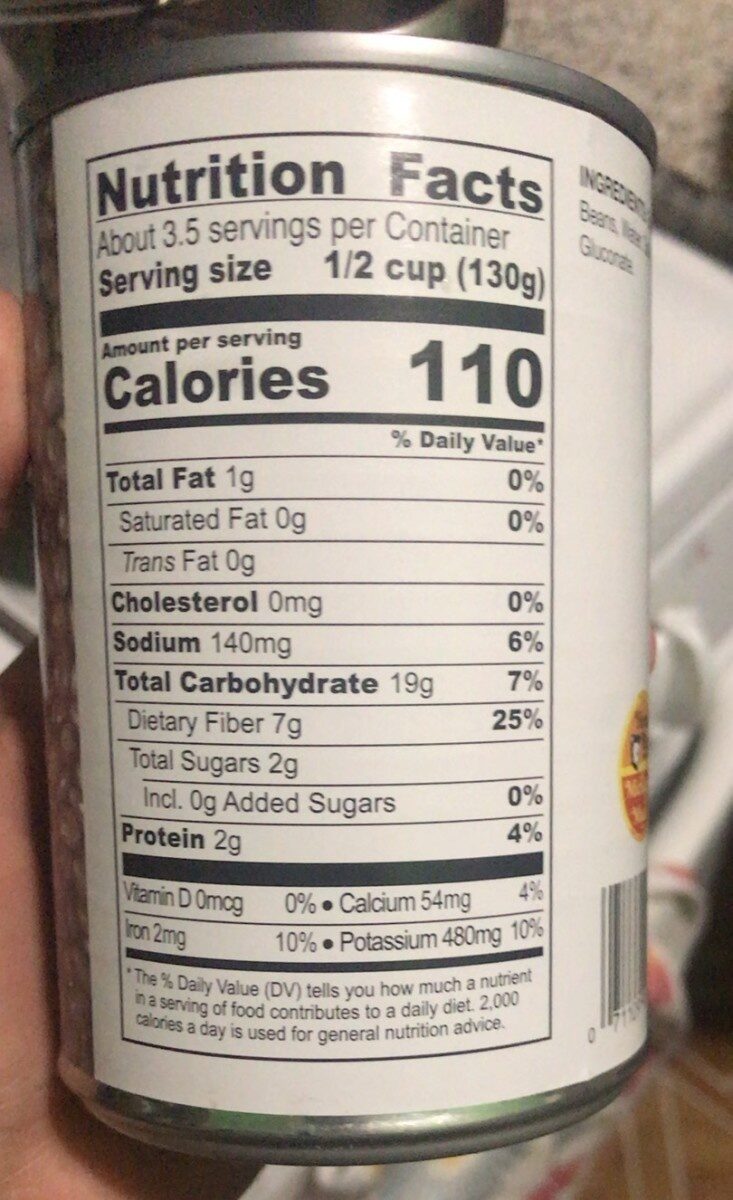
6 Condensed Campbell?s Low Sodium Vegetarian Vegetable Soup 10.5 Oz Each
Analysis updated August 2026 · How Scout scores
At a glance
Summary
This soup contains beneficial ingredients like tomato puree, potatoes, carrots, green beans, and corn, which are minimally processed and provide essential nutrients. However, it is classified as ultra-processed due to the presence of refined ingredients like sugar and enriched pasta, which detract from its overall healthiness. The processing level and the inclusion of sugar limit its score despite the presence of whole food ingredients.
Key ingredients 16
Tomato pureeGood
Tomato puree is a concentrated source of tomatoes, providing vitamins and antioxidants like lycopene. It is minimally processed, retaining most of the nutritional benefits of fresh tomatoes. It enhances flavor and nutritional content in soups.
Benefits
Rich in vitamins A and C, and antioxidants such as lycopene, which may support heart health and reduce inflammation.
PotatoesGood
Potatoes are a starchy vegetable providing carbohydrates, fiber, and essential nutrients like vitamin C and potassium. They are a whole food ingredient with minimal processing. Potatoes contribute to the energy content of the soup.
Benefits
Provides carbohydrates for energy and contains fiber, which supports digestive health.
CarrotsGood
Carrots are a root vegetable rich in beta-carotene, fiber, and vitamins. They are minimally processed, retaining their nutritional value. Carrots add natural sweetness and nutrients to the soup.
Benefits
High in beta-carotene, which the body converts to vitamin A, supporting vision and immune function.
Green beansGood
Green beans are a low-calorie vegetable rich in vitamins, minerals, and fiber. They are minimally processed, maintaining their nutritional integrity. Green beans add texture and nutrients to the soup.
Benefits
Provides vitamins A, C, and K, as well as fiber, which supports digestive health.
CornGood
Corn is a whole grain that provides carbohydrates, fiber, and essential nutrients like B vitamins. It is minimally processed, retaining its nutritional benefits. Corn adds sweetness and texture to the soup.
Benefits
Rich in fiber and B vitamins, supporting energy metabolism and digestive health.
SpicesGood
Whole-food seasonings, antioxidant-bearing.
Benefits
May provide antioxidants and enhance the flavor profile of the soup.
WaterNeutral
Water is a neutral ingredient used as a base for soups and other liquid foods. It provides no nutritional value but is essential for hydration. It acts as a solvent for other ingredients.
See more about Water →Enriched pastaNeutral
Enriched pasta is made from wheat flour and fortified with vitamins and minerals. It provides carbohydrates and some protein but is more processed than whole grains. It adds texture and substance to the soup.
Risks
Contains gluten, which may be a concern for individuals with celiac disease or gluten sensitivity.
Benefits
Provides carbohydrates for energy and is fortified with essential nutrients like iron and B vitamins.
Potato starchNeutral
Potato starch is used as a thickening agent in soups and sauces. It is a refined carbohydrate with minimal nutritional value. It helps improve the texture and consistency of the soup.
See more about Potato starch →SaltNeutral
Salt is used to enhance flavor and preserve food. It is a source of sodium, which is essential for fluid balance but should be consumed in moderation. It is a common seasoning in processed foods.
Risks
Excessive sodium intake can lead to high blood pressure and cardiovascular issues.
Benefits
Provides sodium, an essential mineral for maintaining fluid balance and nerve function.
Paprika extractNeutral
Paprika extract is used for color and flavor enhancement. It is derived from peppers and contains antioxidants like carotenoids. It adds visual appeal and a mild flavor to the soup.
Benefits
Contains carotenoids, which have antioxidant properties.
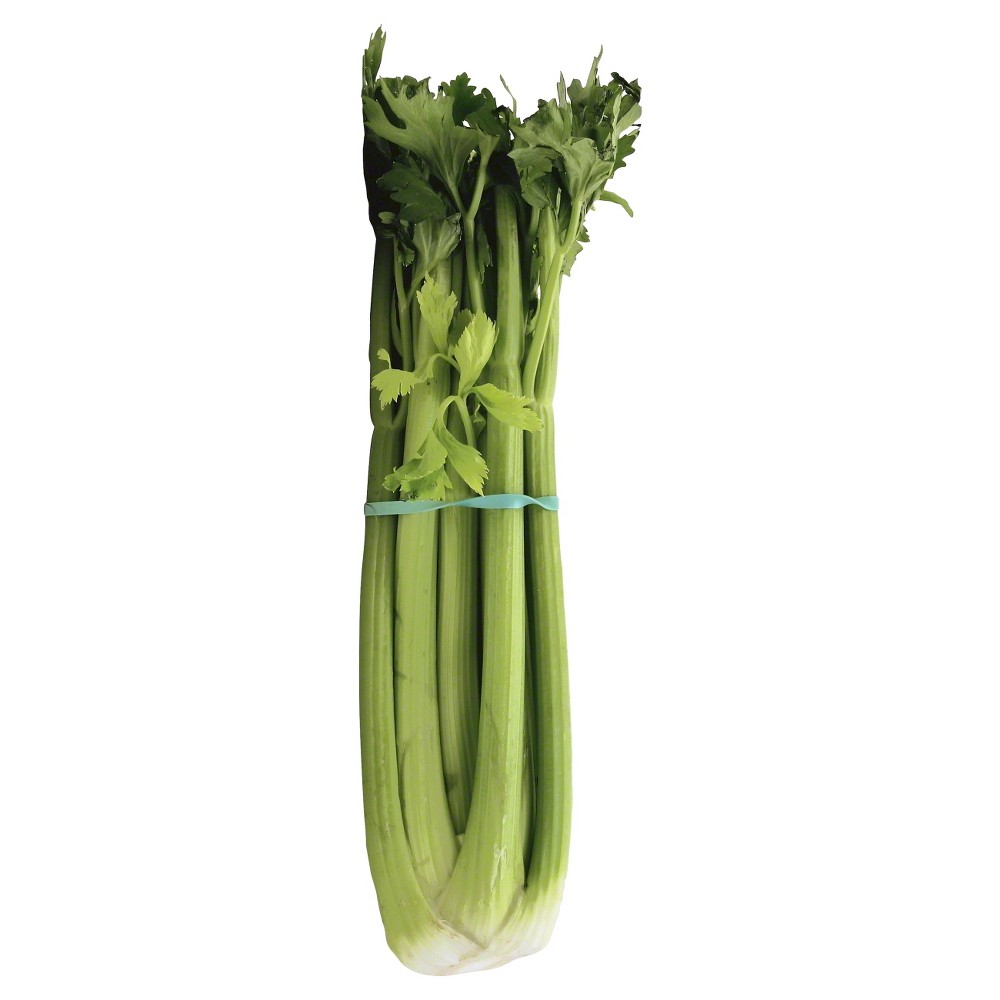
Celery extractNeutral
Celery extract is used for flavoring and may provide some nutrients. It is derived from celery, a vegetable known for its fiber and vitamin content. It enhances the flavor profile of the soup.
Risks
May cause allergic reactions in individuals sensitive to celery.
Benefits
May provide some vitamins and minerals, contributing to the nutritional profile of the soup.
FlavoringNeutral
Flavoring is used to enhance the taste of processed foods. It is a broad term that can include natural and artificial components. The lack of specificity limits detailed analysis.
Risks
Potential for containing artificial additives or allergens.
Onion extractNeutral
Onion extract is used for flavor enhancement and may provide some nutrients. It is derived from onions, which are rich in antioxidants and vitamins. It adds depth to the flavor profile of the soup.
Benefits
May provide antioxidants and enhance the flavor profile of the soup.
SugarBad
Sugar is a refined carbohydrate that provides sweetness but lacks nutritional value. Excessive consumption can lead to health issues like obesity and diabetes. It is added for flavor enhancement.
Risks
High intake of sugar can contribute to weight gain, insulin resistance, and dental cavities.
Yeast extractBad
Concentrated glutamate source — MSG-adjacent flavor enhancer.
Risks
May contain glutamates, which some individuals are sensitive to.
Benefits
Contains B vitamins, which are essential for energy metabolism.
Processing
Ultra-Processed Foods
Get the full breakdown in the Scout appTake Scout shopping
Scan any product to see lab results, healthy alternatives, and your personalized analysis.
Download on theApp Store GET IT ONGoogle Play