


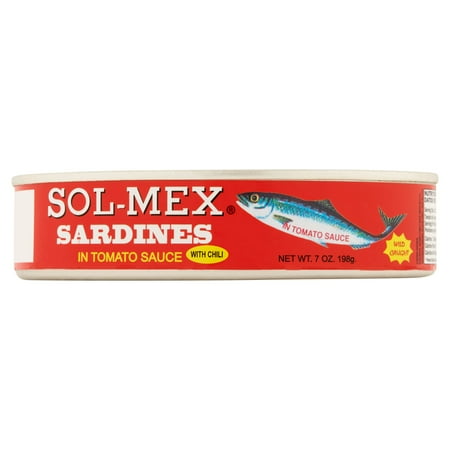


At a glance
Summary
This product contains beneficial ingredients like sardines, which are rich in omega-3 fatty acids and provide high-quality protein. However, it is classified as ultra-processed due to the presence of additives such as xanthan gum and annatto, which are used for texture and color but offer no nutritional benefits. The processing level limits the score despite the presence of some healthy components.
Key ingredients 11
SardinesVery Good
Sardines are a rich source of omega-3 fatty acids, which are beneficial for heart health. They provide high-quality protein and essential nutrients like vitamin D and calcium. As a whole food, they are minimally processed and offer numerous health benefits.
Benefits
Rich in omega-3 fatty acids, protein, and essential nutrients like vitamin D and calcium, supporting heart and bone health.
Mustard FlourGood
Mustard flour adds flavor and contains compounds that may have anti-inflammatory properties. It is derived from mustard seeds, which are a natural source of antioxidants. The processing is minimal, retaining most of its beneficial properties.
Risks
May cause allergic reactions in sensitive individuals.
Benefits
Contains antioxidants and compounds that may support anti-inflammatory responses.
TurmericGood
Turmeric is a spice known for its anti-inflammatory and antioxidant properties. It contains curcumin, which has been studied for its potential health benefits. The spice is minimally processed, retaining its beneficial compounds.
Risks
May cause allergic reactions in some individuals.
Benefits
Contains curcumin, which may support anti-inflammatory and antioxidant activities.
SpicesGood
Whole-food seasonings, antioxidant-bearing.
Risks
Potential for allergic reactions depending on specific spices used.
Benefits
Enhances flavor and may provide antioxidant benefits.
WaterNeutral
Water is used as a solvent and carrier in food products. It is essential for hydration and does not contribute calories or nutrients. In this product, it serves as a medium for the sauce.
Benefits
Essential for hydration and acts as a carrier for other ingredients.
Acetic AcidNeutral
Acetic acid is used as a preservative and flavoring agent in foods. It is the main component of vinegar and is generally recognized as safe in small amounts. It helps to preserve the product by lowering pH and inhibiting microbial growth.
Risks
Excessive consumption may cause digestive discomfort.
Benefits
Acts as a preservative and flavor enhancer, contributing to food safety and taste.
Modified Corn StarchNeutral
Modified corn starch is used as a thickening agent in processed foods. It is derived from corn and undergoes chemical modification to improve its stability and texture. While it is generally safe, it provides no significant nutritional benefits.
Risks
May cause digestive issues in sensitive individuals.
Benefits
Improves texture and stability of the product.
SaltNeutral
Salt is used to enhance flavor and preserve food. It is a common culinary ingredient but does not provide additional nutrients beyond sodium. Excessive intake can lead to health issues like hypertension.
Risks
High sodium intake is associated with increased risk of hypertension and cardiovascular diseases.
Benefits
Enhances flavor and acts as a preservative.
Xanthan GumNeutral
Fermentation-derived thickener, well tolerated at food-use levels.
Risks
May cause digestive issues such as bloating and gas in sensitive individuals.
Benefits
Improves texture and stability of food products.
Extractives of Turmeric (Color)Neutral
Extractives of turmeric are used for coloring and may retain some of the spice's beneficial properties. They are derived from natural sources and are generally considered safe. The extraction process may reduce the concentration of active compounds.
Benefits
Provides natural color and may retain some antioxidant properties.
Annatto (Color)Bad
Annatto is a natural colorant derived from the seeds of the achiote tree. While it is natural, it can cause allergic reactions in some individuals. It is used primarily for its coloring properties and offers no significant nutritional benefits.
Risks
May cause allergic reactions in sensitive individuals.
Benefits
Provides natural color to food products.
Processing
Ultra-Processed Foods
Get the full breakdown in the Scout appTake Scout shopping
Scan any product to see lab results, healthy alternatives, and your personalized analysis.
Download on theApp Store GET IT ONGoogle Play