

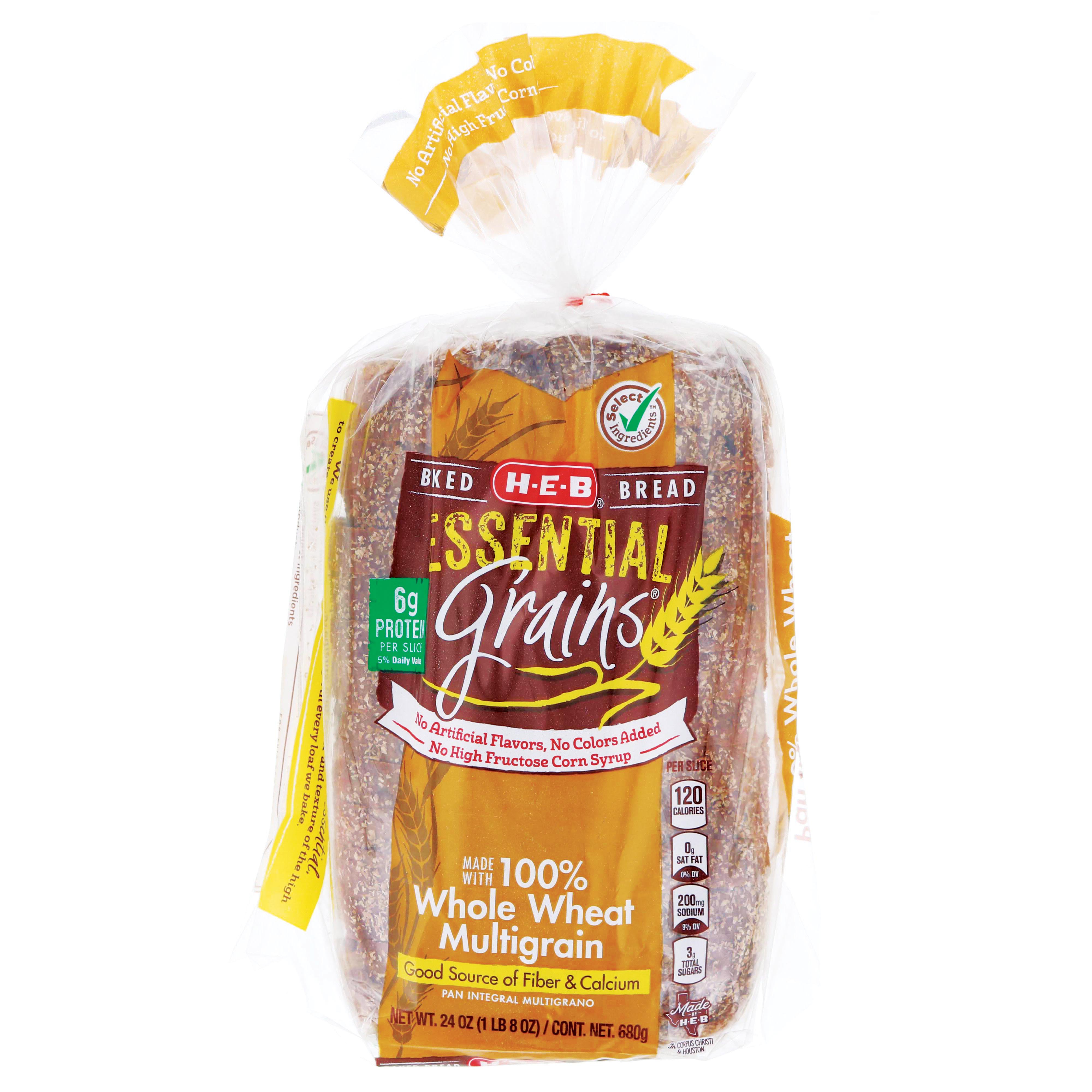


100% WHOLE WHEAT ROLLS
Summary
This product contains beneficial ingredients like whole wheat flour, bulgur wheat, and olive oil, which provide fiber and healthy fats. However, it is heavily processed with a long list of additives, including preservatives and emulsifiers, which detract from its overall healthiness. The presence of sugar and natural flavors further contributes to its ultra-processed nature, limiting its score despite some nutritional benefits.
At a glance
Key ingredients 21
Whole wheat flourGood
Whole wheat flour is a good source of dietary fiber and essential nutrients. It is less processed than refined flour, retaining more vitamins and minerals. This ingredient supports digestive health and provides sustained energy.
Risks
May cause allergic reactions in individuals with wheat allergies or gluten intolerance.
Benefits
Rich in fiber, which aids in digestion and helps maintain healthy blood sugar levels.
WaterNeutral
Water is a neutral ingredient used as a solvent and to provide moisture. It is essential for the dough formation and texture of the rolls. There are no significant health impacts associated with water in this context.
See more about Water →YeastGood
Yeast is a natural leavening agent that helps dough rise. It contributes to the texture and flavor of baked goods. Yeast can also provide some B vitamins and minerals.
Benefits
Contributes to the leavening process and can provide small amounts of nutrients like B vitamins.
Bulgur wheatGood
Bulgur wheat is a whole grain that is high in fiber and nutrients. It is minimally processed, retaining most of its nutritional value. This ingredient supports heart health and aids in digestion.
Risks
May cause allergic reactions in individuals with wheat allergies or gluten intolerance.
Benefits
High in fiber and nutrients, supporting heart health and digestion.
SugarBad
Sugar is a refined carbohydrate that can contribute to increased blood sugar levels. Excessive consumption is linked to various health issues such as obesity and diabetes. It is used in small amounts in this product but still adds unnecessary calories.
Risks
Excessive intake can lead to obesity, diabetes, and other metabolic disorders.
Benefits
Provides quick energy but lacks significant nutritional benefits.
Wheat glutenNeutral
Wheat gluten is used to improve the texture and elasticity of dough. It is a protein found naturally in wheat. While it enhances the structure of baked goods, it may not provide additional health benefits.
Risks
Can cause adverse reactions in individuals with gluten intolerance or celiac disease.
Benefits
Improves dough elasticity and texture in baked goods.
WheatNeutral
Wheat is a staple grain that provides carbohydrates and some protein. It is a primary ingredient in many baked goods. While it is a basic food source, it may not offer significant health benefits beyond energy provision.
Risks
May cause allergic reactions in individuals with wheat allergies or gluten intolerance.
Benefits
Provides carbohydrates for energy.
Wheat branGood
Wheat bran is the outer layer of the wheat kernel, rich in fiber and nutrients. It is minimally processed and supports digestive health. This ingredient can help regulate blood sugar levels and promote satiety.
Risks
May cause digestive discomfort in some individuals if consumed in large amounts.
Benefits
High in fiber, supporting digestive health and promoting satiety.
Olive oilVery Good
Olive oil is a high-quality monounsaturated fat with anti-inflammatory properties. It contains antioxidants that support heart health. Cold-pressed extraction preserves beneficial compounds.
Benefits
Rich in monounsaturated fats that support heart health and provide anti-inflammatory properties.
Sea saltGood
Unrefined sea salt — a minimally processed, natural source of sodium and essential trace minerals, and a legitimate whole-food seasoning. Treated as a positive ingredient.
Risks
Excessive intake can contribute to high blood pressure and cardiovascular issues.
Benefits
Adds flavor and contains trace minerals.
LeaveningNeutral
Leavening agents like sodium acid pyrophosphate and baking soda help dough rise. They are commonly used in baking to improve texture. These ingredients are generally recognized as safe in moderate amounts.
Risks
Excessive consumption may lead to digestive discomfort.
Benefits
Improves texture and volume of baked goods.
PreservativesBad
Preservatives like calcium propionate and sorbic acid are used to extend shelf life. They prevent mold growth but are synthetic additives. Long-term consumption of preservatives may have health implications.
Risks
Potential for allergic reactions and long-term health effects with excessive consumption.
Benefits
Extend shelf life by preventing mold and spoilage.
Grain vinegarNeutral
Grain vinegar is used for flavoring and as a preservative. It is made from fermented grains and contains acetic acid. While it adds flavor, it does not provide significant health benefits.
Benefits
Adds flavor and acts as a mild preservative.
Natural flavorsBad
Natural flavors are used to enhance taste but lack transparency in their composition. They are often highly processed and can contain multiple compounds. The lack of disclosure can be concerning for those with allergies or sensitivities.
Risks
Potential for allergic reactions due to undisclosed ingredients.
Benefits
Enhances flavor but lacks nutritional benefits.
MonoglyceridesBad
Monoglycerides are emulsifiers used to improve texture and extend shelf life. They are processed additives that can contain trans fats. Regular consumption of emulsifiers may impact gut health.
Risks
May contain trans fats and impact gut health with excessive consumption.
Benefits
Improves texture and shelf stability of baked goods.
Citric acidNeutral
Citric acid is a natural preservative and flavor enhancer. It is commonly used in food processing and is generally recognized as safe. While it adds a tangy flavor, it does not provide significant health benefits.
Benefits
Acts as a preservative and enhances flavor.
CornstarchNeutral
Cornstarch is used as a thickening agent in food products. It is a refined carbohydrate with minimal nutritional value. While it serves a functional purpose, it does not offer health benefits.
Benefits
Serves as a thickening agent in food products.
DATEMBad
DATEM is an emulsifier used to improve dough strength and texture. It is a synthetic additive often used in processed foods. Concerns exist about its long-term health effects due to its synthetic nature.
Risks
Potential long-term health effects due to synthetic nature.
Benefits
Improves dough strength and texture.
Cellulose gumNeutral
Cellulose gum is a thickening agent derived from plant fibers. It is used to stabilize and improve texture in food products. While it is generally safe, it does not provide nutritional benefits.
Benefits
Stabilizes and improves texture in food products.
Xanthan gumNeutral
Xanthan gum is a polysaccharide used as a thickening and stabilizing agent. It is produced through fermentation and is widely used in food processing. While it is safe for most people, it does not offer nutritional benefits.
Risks
May cause digestive discomfort in some individuals if consumed in large amounts.
Benefits
Improves texture and stability in food products.
Soy lecithinNeutral
Soy lecithin is an emulsifier derived from soybeans. It is used to improve texture and mixability in food products. While it is generally safe, it may cause allergic reactions in sensitive individuals.
Risks
May cause allergic reactions in individuals with soy allergies.
Benefits
Improves texture and mixability in food products.
Processing
Ultra-Processed Foods
Get the full breakdown in the Scout app
Scan any product to see lab results, healthy alternatives, and your personalized analysis.
Download on theApp Store