
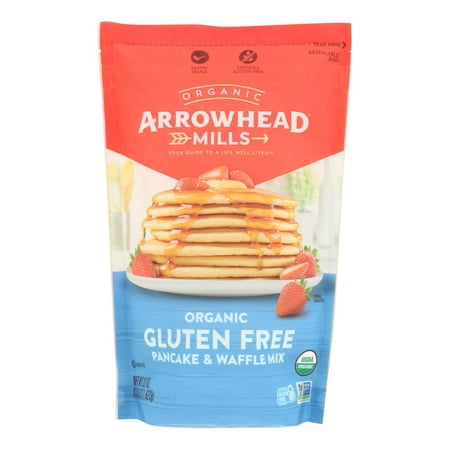


Arrowhead Mills Organic Gluten Free Pancake & Waffle Mix
Analysis updated September 2026 · How Scout scores
At a glance
Summary
This pancake and waffle mix features several organic flours, such as rice, corn, and millet, which are beneficial for providing nutrients and fiber while being gluten-free. However, the presence of 'natural flavor' and xanthan gum introduces moderate processing concerns, as these additives can detract from the overall nutritional value. The product's processing level limits its score, despite the use of organic ingredients.
Key ingredients 9
Organic CinnamonVery Good
Organic cinnamon is a spice with antioxidant properties and potential health benefits, such as blood sugar regulation. Being organic, it is free from synthetic pesticides. It adds flavor and aroma to foods naturally.
Benefits
Contains antioxidants and may help regulate blood sugar levels.
Organic Rice FlourGood
Organic rice flour is a gluten-free alternative to wheat flour, providing a source of carbohydrates. Being organic, it is free from synthetic pesticides and fertilizers. It is minimally processed, retaining more nutrients compared to refined flours.
Benefits
Provides a gluten-free source of carbohydrates and is suitable for those with gluten intolerance or celiac disease.
Organic Whole Grain Corn FlourGood
Organic whole grain corn flour retains the bran and germ, providing fiber and nutrients. Being organic, it avoids synthetic pesticides and fertilizers. It contributes to a whole grain intake, which is beneficial for heart health.
Benefits
Rich in fiber and nutrients, supporting digestive health and providing essential vitamins and minerals.
Organic Millet FlourGood
Organic millet flour is a nutritious, gluten-free grain that provides protein, fiber, and essential minerals. Its organic status ensures it is free from synthetic chemicals. It is a good alternative for those avoiding gluten.
Benefits
Offers a source of protein and fiber, supporting overall health and providing essential nutrients.
Tapioca FlourNeutral
Tapioca flour is a starch extracted from cassava root, used as a thickening agent. It is gluten-free and provides a smooth texture in baked goods. However, it is low in nutrients compared to whole grain flours.
Benefits
Offers a gluten-free option for thickening and improving texture in recipes.
Baking PowderNeutral
Baking powder is a leavening agent that helps baked goods rise. It typically contains monocalcium phosphate, baking soda, and cornstarch. While it is essential for texture, it does not provide nutritional benefits.
Risks
Excessive consumption may lead to high sodium intake.
SaltNeutral
Salt is used to enhance flavor in foods. It is a common culinary ingredient but does not provide additional nutrients. Excessive intake can contribute to high blood pressure.
Risks
High sodium intake can lead to increased blood pressure and cardiovascular issues.
Xanthan GumNeutral
Xanthan gum is a polysaccharide used as a thickening and stabilizing agent. It is produced through fermentation and is commonly used in gluten-free baking. While it improves texture, it does not provide nutritional benefits.
Risks
Excessive consumption may cause digestive discomfort in some individuals.
Benefits
Improves texture and stability in gluten-free products.
Organic Natural FlavorBad
Natural flavors, even when organic, are often highly processed and can contain a variety of chemical compounds. They are used to enhance flavor but lack nutritional value. The term 'natural flavor' can be misleading as it does not specify the source or processing methods.
Risks
May contain undisclosed compounds that could cause allergic reactions or sensitivities.
Processing
Processed Foods
Get the full breakdown in the Scout appTake Scout shopping
Scan any product to see lab results, healthy alternatives, and your personalized analysis.
Download on theApp Store GET IT ONGoogle Play