


Near you
Wegmans is carried at Wegmans stores. Find one within 25 miles.
At a glance
Summary
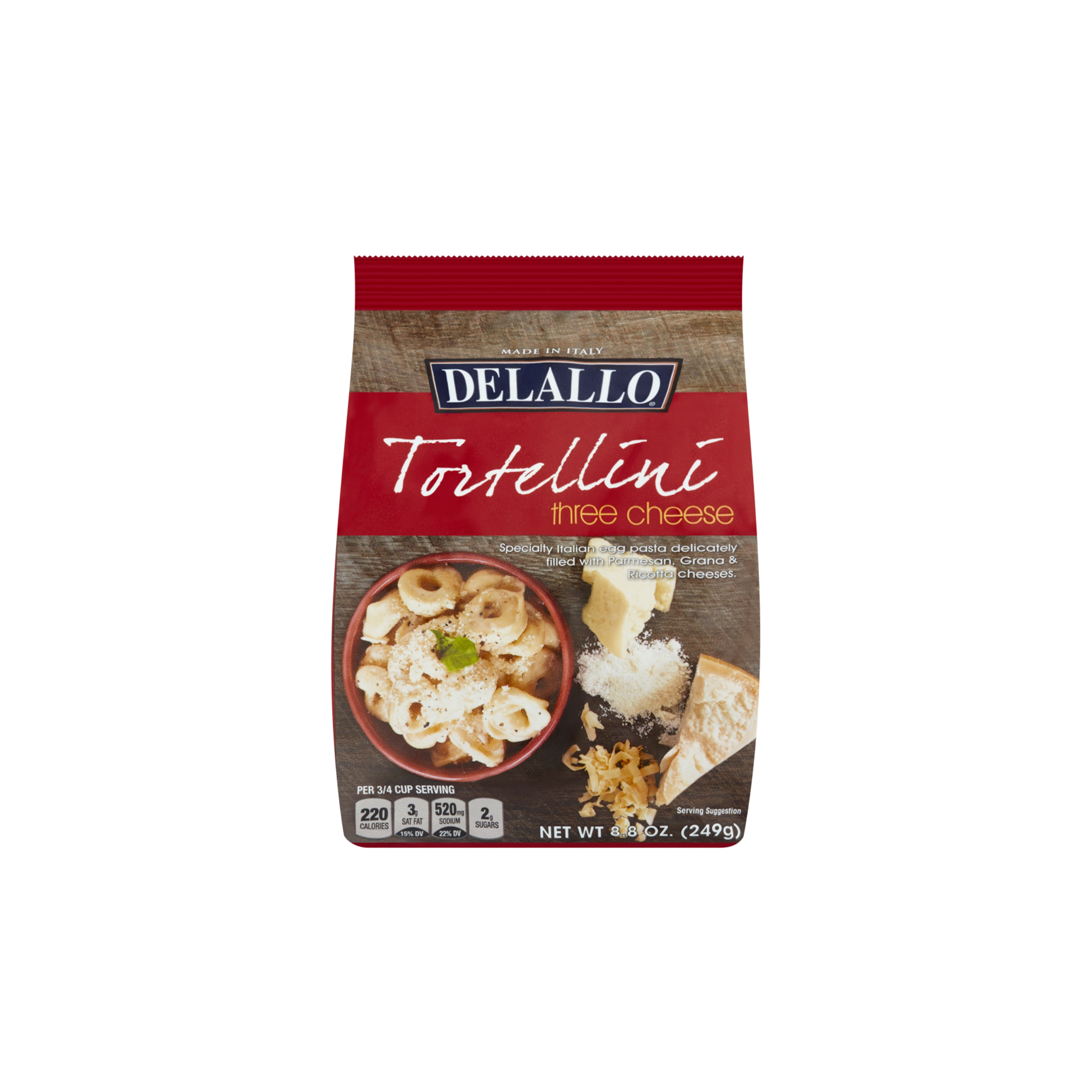
This tortellini product is ultra-processed, which limits its potential health score despite containing beneficial ingredients like whole pasteurized eggs and a variety of cheeses. The presence of additives such as natamycin and powdered cellulose, while generally safe, contributes to the processing level and detracts from the overall nutritional quality. The enriched durum wheat semolina and the use of preservatives further indicate a higher level of processing, which impacts the healthiness of the product.
Key ingredients 10
Whole pasteurized eggsGood
Whole pasteurized eggs are a high-quality source of protein and essential nutrients. They contain all essential amino acids and are rich in vitamins like B12 and D. Pasteurization ensures safety by reducing the risk of bacterial contamination.
Benefits
Rich in high-quality protein and essential nutrients like vitamin B12 and D. Supports muscle maintenance and overall health.
CheeseGood
Cheese provides a good source of calcium and protein. It contains beneficial bacteria from fermentation that can support gut health. The variety of cheeses used offers a range of flavors and nutritional benefits.
Risks
High in saturated fat and sodium, which may impact heart health if consumed in excess.
Benefits
Rich in calcium and protein, supporting bone health and muscle function. Contains beneficial bacteria that may aid digestion.
SpicesGood
Whole-food seasonings, antioxidant-bearing.
Benefits
Enhances flavor and may provide antioxidants and other beneficial compounds.
Enriched durum wheat semolinaNeutral
Enriched durum wheat semolina is a refined grain product fortified with vitamins and minerals. It provides carbohydrates and some essential nutrients but lacks the fiber of whole grains. The enrichment process adds nutrients like niacin and folic acid, which are beneficial.
Risks
Refined grains may contribute to blood sugar spikes and lack the fiber found in whole grains.
Benefits
Provides essential nutrients like niacin and folic acid due to enrichment. Offers a source of carbohydrates for energy.
Toasted wheat crumbsNeutral
Toasted wheat crumbs are made from wheat flour and yeast, providing texture and flavor. They are a refined grain product with limited nutritional value. The toasting process enhances flavor but does not significantly alter nutritional content.
Risks
May contribute to calorie intake without providing significant nutrients.
Benefits
Adds texture and flavor to the product. Provides carbohydrates for energy.
SaltNeutral
Salt is used for flavor enhancement and preservation. It is a common ingredient in processed foods and provides sodium, an essential mineral. Excessive consumption can lead to health issues like hypertension.
Risks
High sodium intake can contribute to hypertension and cardiovascular disease.
Benefits
Essential for maintaining fluid balance and nerve function in the body.
Citric acidNeutral
Citric acid is a natural preservative and flavor enhancer. It is commonly used in food products to add acidity and improve shelf life. It is generally recognized as safe but is an additive rather than a whole food ingredient.
Benefits
Enhances flavor and acts as a preservative to extend shelf life.
Microbial enzymeNeutral
Microbial enzymes are used in cheese production to aid in coagulation. They are an alternative to animal rennet and are suitable for vegetarians. These enzymes are generally considered safe and effective in cheese making.
Benefits
Facilitates cheese production and is suitable for vegetarian diets.
NatamycinBad
Natamycin is a preservative used to prevent mold and yeast growth in cheese. It is considered safe in small amounts but is an additive rather than a natural ingredient. Overuse of preservatives can lead to concerns about dietary exposure to chemicals.
Risks
Excessive consumption of preservatives may lead to health concerns over time.
Benefits
Prevents spoilage and extends shelf life by inhibiting mold and yeast growth.
Powdered celluloseBad
Powdered cellulose is used as an anti-caking agent in cheese. It is derived from plant fibers and is considered safe but adds no nutritional value. Its use in processed foods is often criticized for being an unnecessary additive.
Risks
May be seen as an unnecessary additive with no nutritional benefits.
Benefits
Prevents clumping and maintains texture in cheese products.
Processing
Ultra-Processed Foods
Get the full breakdown in the Scout appTake Scout shopping
Scan any product to see lab results, healthy alternatives, and your personalized analysis.
Download on theApp Store GET IT ONGoogle Play