
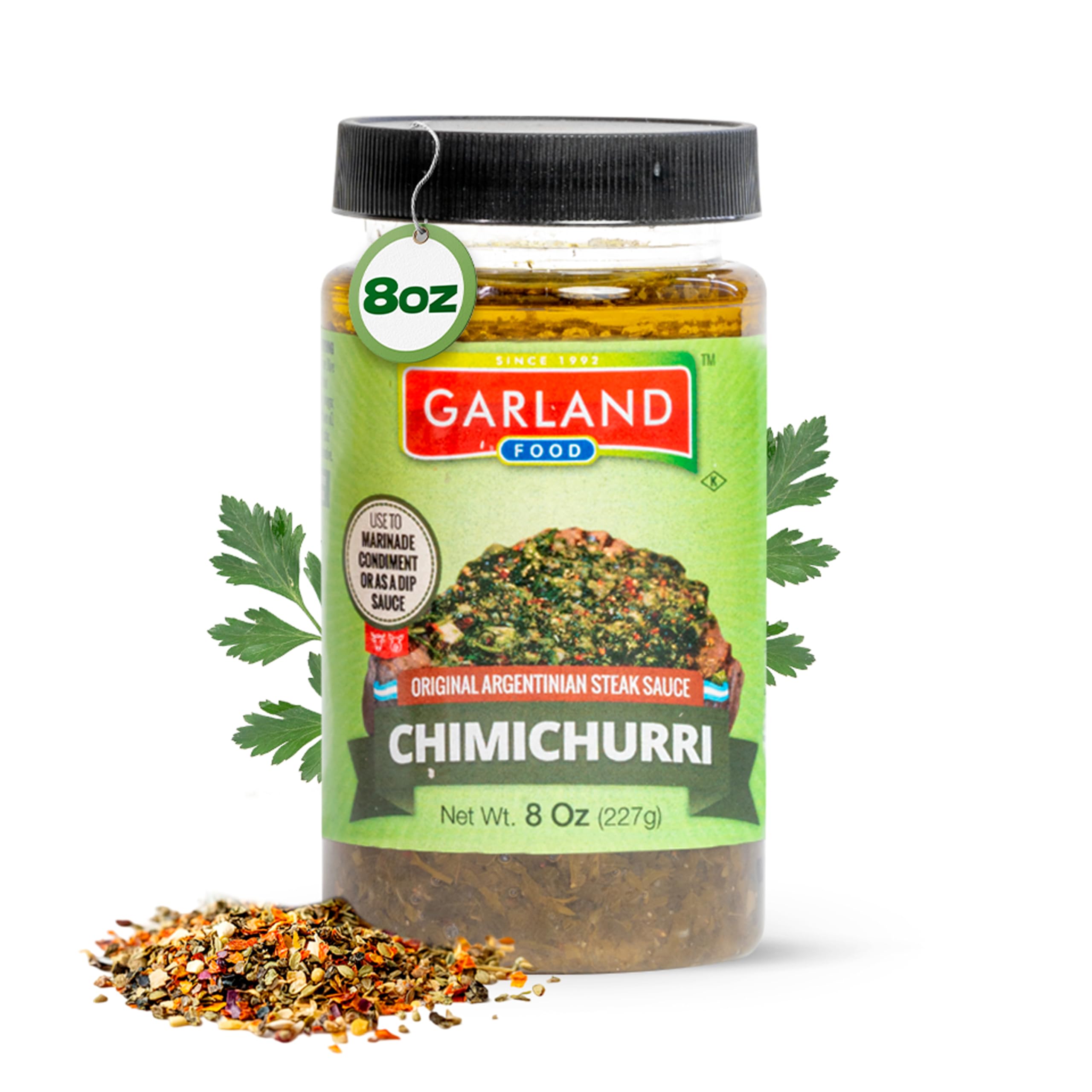


FOTIS fine foods CHIMICHURRI
Analysis updated August 2026 · How Scout scores
At a glance
Summary
This chimichurri contains a blend of extra virgin olive oil and canola oil, with the latter being a seed oil that is highly processed and can promote inflammation. While the product includes beneficial ingredients like parsley, red wine vinegar, and roasted garlic, which provide antioxidants and flavor, the presence of canola oil and the processed nature of the product limit its healthfulness. The overall processing level and the inclusion of a seed oil significantly impact its score.
Key ingredients 11
Extra virgin olive oilVery Good
Extra virgin olive oil is a high-quality monounsaturated fat with anti-inflammatory properties. It contains antioxidants that support heart health. Cold-pressed extraction preserves beneficial compounds.
Benefits
Rich in monounsaturated fats that support heart health and provide anti-inflammatory properties. Contains antioxidants like vitamin E and polyphenols that may reduce oxidative stress.
ParsleyGood
Parsley is a nutrient-rich herb that provides vitamins A, C, and K. It has antioxidant properties that can help reduce oxidative stress. Fresh parsley is minimally processed, retaining its nutritional benefits.
Benefits
Provides essential vitamins and antioxidants that support overall health.
Red wine vinegarGood
Red wine vinegar is a fermented product that contains acetic acid, which may aid digestion. It is low in calories and adds flavor without added sugars. The fermentation process can also provide beneficial probiotics.
Benefits
May aid digestion and provide beneficial probiotics due to its fermentation process.
Roasted garlicGood
Roasted garlic is rich in antioxidants and has anti-inflammatory properties. It enhances flavor while providing potential cardiovascular benefits. Roasting garlic can enhance its flavor profile while retaining its health benefits.
Benefits
Provides antioxidants and may support cardiovascular health.
Sea saltGood
Sea salt is a minimally processed source of sodium and trace minerals. It is often preferred over refined table salt for its mineral content. Sea salt can enhance flavor without the need for excessive additives.
Risks
Excessive consumption of sodium can lead to high blood pressure.
Benefits
Provides trace minerals and enhances flavor naturally.
Red chile peppersGood
Red chile peppers are rich in vitamins A and C and contain capsaicin, which has anti-inflammatory properties. They add heat and flavor to dishes without added calories. Capsaicin may also boost metabolism and support weight management.
Risks
May cause digestive discomfort in sensitive individuals.
Benefits
Rich in vitamins and may support metabolism and weight management.
Black pepperGood
Black pepper contains piperine, which can enhance nutrient absorption. It is a natural spice that adds flavor without calories. Piperine may also have antioxidant and anti-inflammatory effects.
Benefits
Enhances nutrient absorption and provides antioxidant benefits.
OreganoGood
Oregano is an herb rich in antioxidants and has antimicrobial properties. It is used to enhance flavor and may support immune health. Fresh or dried, oregano retains its beneficial compounds.
Benefits
Provides antioxidants and may support immune health.
Ascorbic acidGood
Vitamin C — beneficial even when serving as a preservative.
Benefits
Acts as an antioxidant and helps preserve food quality.
Citric acidNeutral
Citric acid is a natural preservative and flavor enhancer. It is commonly used in food products to maintain freshness. While it is generally recognized as safe, it provides no significant nutritional benefits.
Benefits
Helps preserve freshness and enhance flavor.
Canola oilVery Bad
Canola oil is a seed oil high in omega-6 fatty acids, which can promote inflammation. It is often highly processed and refined, which may reduce its nutritional value. The extraction process typically involves heat and chemicals, which can lead to the formation of trans fats.
Risks
High omega-6 content may promote inflammation when consumed in excess.
Processing
Processed Foods
Get the full breakdown in the Scout appTake Scout shopping
Scan any product to see lab results, healthy alternatives, and your personalized analysis.
Download on theApp Store GET IT ONGoogle Play