



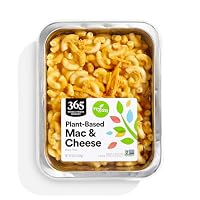



365 Whole Foods Market Macaroni and Cheese
365 Whole Foods MarketAnalysis updated August 2026 · How Scout scores
At a glance
Summary
This macaroni and cheese product contains a mix of organic and enriched ingredients, which provide essential nutrients like iron and B vitamins. However, it is a processed food with added salt and sugars, which are notable concerns. The product benefits from the absence of harmful additives like artificial colors and high-fructose corn syrup, but its processing level limits its overall healthiness.
Key ingredients 18
Unbleached enriched durum wheat semolinaGood
This is a high-quality wheat product enriched with vitamins and minerals. It provides essential nutrients like iron and B vitamins. The unbleached aspect indicates minimal processing, retaining more nutrients.
Risks
May contain gluten, which can be a concern for individuals with celiac disease or gluten sensitivity.
Benefits
Rich in essential nutrients like iron and B vitamins, supporting overall health.
NiacinGood
Niacin, also known as vitamin B3, is essential for energy metabolism and DNA repair. It is often added to enriched foods to prevent deficiencies. It supports skin health and nervous system function.
Benefits
Supports energy metabolism and overall health by preventing niacin deficiency.
Ferrous sulfateGood
Ferrous sulfate is a form of iron used to enrich foods and prevent iron deficiency anemia. It is an essential mineral for oxygen transport in the blood. The addition helps meet daily iron requirements.
Risks
Excessive intake can lead to gastrointestinal issues such as constipation or nausea.
Benefits
Prevents iron deficiency anemia and supports healthy blood function.
Thiamine mononitrateGood
Thiamine mononitrate is a synthetic form of vitamin B1, essential for energy metabolism. It is added to foods to prevent thiamine deficiency. Supports nerve function and carbohydrate metabolism.
Benefits
Supports energy production and nerve function, preventing thiamine deficiency.
Organic macaroniGood
Organic macaroni is made from organically grown wheat, reducing exposure to pesticides. It provides carbohydrates and energy. The organic certification indicates adherence to specific agricultural standards.
Risks
Contains gluten, which can be a concern for individuals with celiac disease or gluten sensitivity.
Benefits
Offers a cleaner source of carbohydrates with reduced pesticide exposure.
Organic wheyGood
Organic whey is a high-quality protein source derived from milk. It supports muscle growth and repair. The organic certification ensures it is free from synthetic hormones and antibiotics.
Risks
May cause digestive issues for those with lactose intolerance.
Benefits
Provides high-quality protein supporting muscle health and repair.
Organic cheddar cheeseGood
Organic cheddar cheese is made from organic milk, providing calcium and protein. It supports bone health and muscle function. The organic label ensures reduced exposure to synthetic additives.
Risks
Contains dairy, which can be problematic for those with lactose intolerance.
Benefits
Rich in calcium and protein, supporting bone and muscle health.
Organic pasteurized milkGood
Organic pasteurized milk is a source of calcium and vitamin D, supporting bone health. The pasteurization process ensures safety by eliminating harmful bacteria. The organic certification indicates reduced chemical exposure.
Risks
Contains lactose, which can be a concern for individuals with lactose intolerance.
Benefits
Provides essential nutrients like calcium and vitamin D for bone health.
Cooked organic macaroniGood
Cooked organic macaroni is made from organic wheat, providing carbohydrates and energy. Cooking makes it ready to eat and digestible. The organic label ensures reduced pesticide exposure.
Risks
Contains gluten, which can be a concern for individuals with celiac disease or gluten sensitivity.
Benefits
Offers a ready-to-eat source of carbohydrates with reduced pesticide exposure.
Organic durum wheat semolinaGood
Organic durum wheat semolina is a high-protein wheat product used in pasta making. It provides energy and protein, supporting muscle maintenance. The organic certification ensures reduced chemical exposure.
Risks
Contains gluten, which can be problematic for those with gluten intolerance.
Benefits
Provides protein and energy with reduced pesticide exposure.
Pasteurized organic milkGood
Pasteurized organic milk is a source of calcium and vitamin D, supporting bone health. Pasteurization ensures safety by eliminating harmful bacteria. The organic certification indicates reduced chemical exposure.
Risks
Contains lactose, which can be a concern for individuals with lactose intolerance.
Benefits
Provides essential nutrients like calcium and vitamin D for bone health.
Elbow macaroniNeutral
Elbow macaroni is a common pasta shape made from durum wheat semolina. It is a source of carbohydrates and provides energy. The processing is minimal, involving mixing, shaping, and drying.
Benefits
Provides a source of carbohydrates which are essential for energy.
WaterNeutral
Water is used in the cooking process of pasta and does not contribute any calories or nutrients. It is essential for hydration and cooking. It is a neutral ingredient with no direct health impact.
Benefits
Essential for hydration and necessary for cooking pasta.
Durum wheat semolinaNeutral
Standard formulation ingredient — neither beneficial nor harmful at typical use.
Risks
Contains gluten, which can be problematic for those with gluten intolerance.
Benefits
Provides protein and energy, supporting muscle maintenance and energy levels.
Organic wheat flourNeutral
Standard formulation ingredient — neither beneficial nor harmful at typical use.
Risks
Contains gluten, which can be problematic for those with gluten intolerance.
Benefits
Provides carbohydrates and fiber with reduced pesticide exposure.
Organic cheddar cheese seasoningNeutral
Organic cheddar cheese seasoning is used for flavoring and is made from organic ingredients. It adds taste without significant nutritional impact. The organic certification indicates reduced chemical use.
Risks
May contain dairy, which can be a concern for those with lactose intolerance.
Benefits
Enhances flavor with organic ingredients, reducing chemical exposure.
SaltNeutral
Salt is used for flavor enhancement and preservation. It is a source of sodium, essential for fluid balance and nerve function. Excessive intake can lead to health issues like hypertension.
Risks
High sodium intake can contribute to hypertension and cardiovascular issues.
Benefits
Essential for fluid balance and nerve function when consumed in moderation.
Organic cheese sauceNeutral
Organic cheese sauce is made from organic ingredients, providing flavor and creaminess. It contains dairy, offering calcium and protein. The organic label ensures reduced chemical exposure.
Risks
Contains dairy, which can be a concern for those with lactose intolerance.
Benefits
Enhances flavor and provides calcium and protein from dairy.
Processing
Processed Foods
Get the full breakdown in the Scout appTake Scout shopping
Scan any product to see lab results, healthy alternatives, and your personalized analysis.
Download on theApp Store GET IT ONGoogle PlayAmazon pricing & content
Amazon price as of . Product prices and availability are accurate as of the date/time indicated and are subject to change. Any price and availability information displayed on Amazon.com at the time of purchase will apply to the purchase of this product.
CERTAIN CONTENT THAT APPEARS ON THIS SITE COMES FROM AMAZON. THIS CONTENT IS PROVIDED “AS IS” AND IS SUBJECT TO CHANGE OR REMOVAL AT ANY TIME.