








Near you
Whole Foods is carried at Whole Foods stores. Find one within 25 miles.
At a glance
Summary
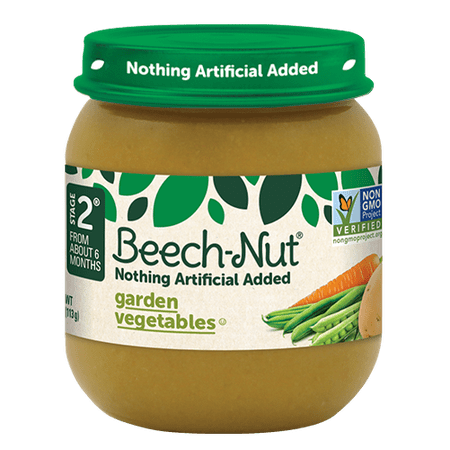
This product features a blend of vegetables with beneficial ingredients like potatoes, green beans, and carrots, complemented by extra virgin olive oil, which is a high-quality fat. The ingredient list is clean and free from harmful additives, but the product is processed, which limits its maximum score. Despite the processing level, the use of whole food ingredients and the absence of artificial additives contribute positively to its rating.
Key ingredients 12
Extra virgin olive oilVery Good
High-quality monounsaturated fat with anti-inflammatory properties. Contains antioxidants that support heart health. Cold-pressed extraction preserves beneficial compounds.
Benefits
Rich in monounsaturated fats that support heart health and provide anti-inflammatory properties. Contains antioxidants like vitamin E and polyphenols that may reduce oxidative stress.
PotatoesGood
Potatoes are a good source of vitamins, minerals, and fiber. They provide essential nutrients like vitamin C and potassium. When cooked properly, they can be part of a balanced diet.
Risks
Excessive consumption may lead to high carbohydrate intake, which can affect blood sugar levels.
Benefits
Rich in vitamin C and potassium, supporting immune function and heart health.
Green beansGood
Green beans are a low-calorie vegetable rich in vitamins A, C, and K. They provide dietary fiber and antioxidants. Their nutrient profile supports overall health and wellness.
Benefits
High in fiber and antioxidants, promoting digestive health and reducing oxidative stress.
CarrotsGood
Carrots are rich in beta-carotene, fiber, and antioxidants. They support eye health and immune function. Their natural sweetness adds flavor without added sugars.
Benefits
High in beta-carotene, which is converted to vitamin A, supporting vision and immune health.
Lemon juiceGood
Lemon juice is a natural source of vitamin C and antioxidants. It adds flavor and acidity to dishes. Its natural acidity can help preserve food and enhance nutrient absorption.
Benefits
Provides vitamin C and antioxidants, supporting immune function and skin health.
GarlicGood
Garlic is known for its potential health benefits, including antimicrobial and anti-inflammatory properties. It contains sulfur compounds that may support heart health. Its strong flavor enhances culinary dishes.
Risks
May cause digestive discomfort in some individuals when consumed in large amounts.
Benefits
Contains allicin, which may support cardiovascular health and immune function.
Sea saltGood
Sea salt is a minimally processed source of sodium and trace minerals. It enhances flavor and is less refined than table salt. Its mineral content can support electrolyte balance.
Risks
Excessive sodium intake can lead to high blood pressure and cardiovascular issues.
Benefits
Provides essential sodium and trace minerals, supporting fluid balance and nerve function.
Garlic pureeGood
Garlic puree offers the same benefits as fresh garlic, with convenience for cooking. It retains the antimicrobial and heart health benefits of garlic. Its concentrated form enhances flavor in dishes.
Risks
May cause digestive discomfort in some individuals when consumed in large amounts.
Benefits
Contains beneficial sulfur compounds that may support cardiovascular health.
BasilGood
Basil is an herb rich in antioxidants and essential oils. It provides anti-inflammatory and antimicrobial benefits. Its aromatic properties enhance flavor and aroma in culinary applications.
Benefits
Rich in antioxidants and essential oils, supporting immune health and reducing inflammation.
White pepperGood
Beneficial ingredient — whole-food or functional value in this product class.
Benefits
May aid digestion and enhance nutrient absorption due to piperine content.
WaterNeutral
Water is used as a solvent and carrier in food products. It is essential for hydration and does not contribute calories. It is a neutral ingredient with no direct health impacts.
Benefits
Essential for hydration and metabolic processes.
Rice flourNeutral
Rice flour is a gluten-free alternative to wheat flour. It is used as a thickening agent and provides carbohydrates. It is a neutral ingredient with no significant health impacts.
Benefits
Provides a gluten-free option for those with celiac disease or gluten sensitivity.
Processing
Processed Foods
Get the full breakdown in the Scout appTake Scout shopping
Scan any product to see lab results, healthy alternatives, and your personalized analysis.
Download on theApp Store GET IT ONGoogle Play