
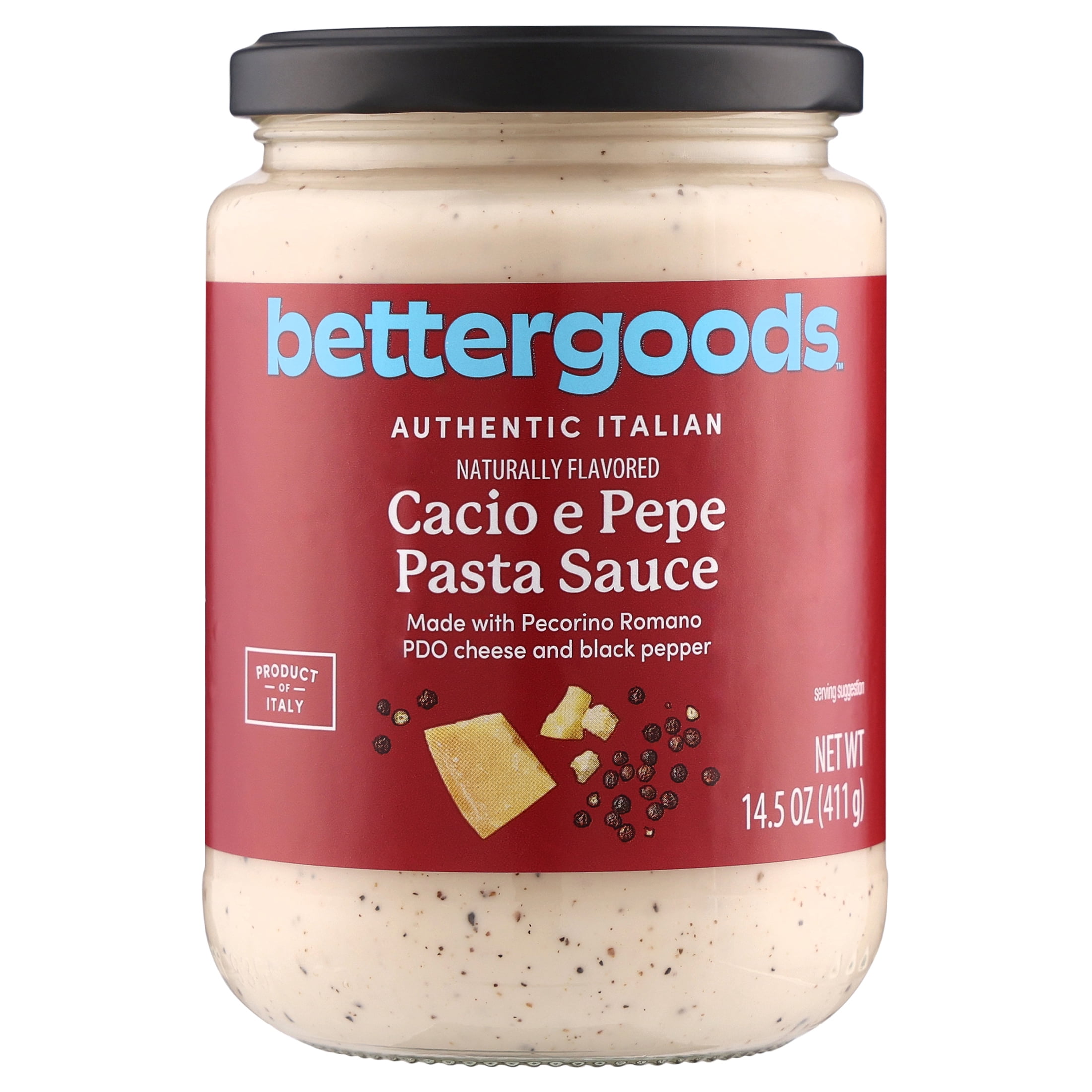


At a glance
Summary
This pasta sauce contains high-quality ingredients like cream and Pecorino Romano PDO cheese, which provide beneficial fats and proteins. However, it is classified as ultra-processed due to the presence of additives such as natural flavorings and yeast extract, which can contribute to high sodium levels and lack transparency. The processing level limits its health score despite the presence of some beneficial ingredients.
Key ingredients 8
CreamGood
Cream is a source of high-quality fats and provides a rich texture to foods. It contains fat-soluble vitamins like A and D, which are beneficial for health. The presence of saturated fats can be part of a balanced diet when consumed in moderation.
Risks
Excessive consumption of cream can lead to high calorie intake and increased cholesterol levels.
Benefits
Provides essential fat-soluble vitamins and contributes to a creamy texture in culinary applications.
Pecorino Romano PDO CheeseGood
Pecorino Romano is a traditional cheese made from sheep's milk, offering a rich source of calcium and protein. It is aged, which enhances its flavor and nutritional profile. The PDO designation ensures quality and authenticity.
Risks
High in sodium, which can contribute to hypertension if consumed in excess.
Benefits
Rich in calcium and protein, supporting bone health and muscle function.
Black PepperGood
Beneficial ingredient — whole-food or functional value in this product class.
Benefits
May enhance the absorption of certain nutrients and adds flavor to dishes.
Egg Yolk Powder Enzyme ModifiedNeutral
Egg yolk powder is a processed form of egg yolk, providing a source of lecithin and fats. The enzyme modification process alters its properties for specific culinary uses. It retains some nutritional benefits of whole eggs but is more processed.
Risks
May contain added sodium and processing agents, which could be a concern for some individuals.
Benefits
Provides lecithin, which can aid in emulsification and contribute to the texture of foods.
Sodium CitrateNeutral
Sodium citrate is a salt used as an emulsifier and acidity regulator in foods. It is generally recognized as safe and helps maintain the stability of emulsions. It does not contribute significant nutritional value.
Risks
Excessive intake can lead to an imbalance in electrolytes, though this is rare in typical food consumption.
Benefits
Helps stabilize emulsions and improve texture in processed foods.
Xanthan GumNeutral
Xanthan gum is a polysaccharide used as a thickening and stabilizing agent in foods. It is produced through fermentation and is widely used in the food industry. It does not provide nutritional benefits but improves texture and consistency.
Risks
In large amounts, it may cause digestive discomfort in sensitive individuals.
Benefits
Improves the texture and stability of food products without adding calories.
Natural FlavoringsBad
Natural flavorings can be derived from various sources and may include additives not disclosed on the label. They often lack transparency, making it difficult to assess their health impact. The term 'natural' does not guarantee the absence of processing or additives.
Risks
Potential for undisclosed additives and allergens, leading to health concerns for sensitive individuals.
Yeast ExtractBad
Yeast extract is used to enhance flavor and contains naturally occurring glutamates. It is often used as a flavor enhancer in processed foods. While it is a natural ingredient, it can contribute to high sodium intake.
Risks
May contribute to high sodium levels and is a concern for individuals sensitive to glutamates.
Benefits
Provides umami flavor, enhancing the taste of foods.
Processing
Ultra-Processed Foods
Get the full breakdown in the Scout appTake Scout shopping
Scan any product to see lab results, healthy alternatives, and your personalized analysis.
Download on theApp Store GET IT ONGoogle Play