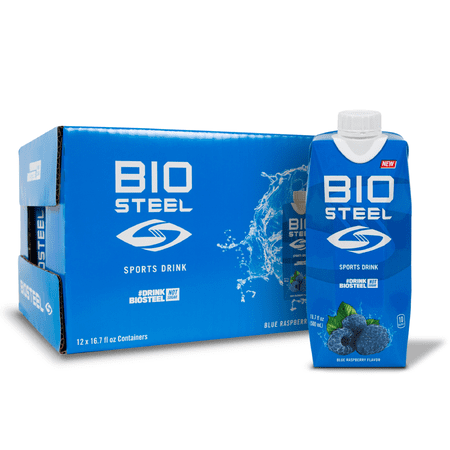
Performance Drink

At a glance
Summary
This performance drink contains beneficial ingredients such as magnesium gluconate, potassium citrate, and L-theanine, which support electrolyte balance and cognitive function. However, the presence of organic cane sugar adds unnecessary sugars, and the use of natural flavors lacks transparency. The product is moderately processed but avoids artificial dyes and sweeteners, maintaining a relatively clean formulation.
Key ingredients 19
Potassium CitrateGood
Potassium citrate is a source of potassium, an essential mineral for maintaining electrolyte balance. It helps in muscle function and nerve signaling. It is often used to prevent kidney stones.
Risks
Excessive intake can lead to hyperkalemia, especially in individuals with kidney issues.
Benefits
Supports cardiovascular health and helps maintain proper electrolyte balance.
Magnesium GluconateGood
Magnesium gluconate is a bioavailable form of magnesium, an essential mineral. It supports muscle and nerve function and helps in energy production. It is often used to prevent magnesium deficiency.
Risks
High doses can cause gastrointestinal issues such as diarrhea.
Benefits
Supports bone health and energy metabolism.
Calcium LactateGood
Calcium lactate is a bioavailable form of calcium, important for bone health. It is used to fortify foods and beverages with calcium. It is well-tolerated and helps prevent calcium deficiency.
Risks
Excessive intake can lead to hypercalcemia, especially in individuals with certain health conditions.
Benefits
Supports bone health and muscle function.
Panax Ginseng RootGood
Panax ginseng root is known for its adaptogenic properties, helping the body manage stress. It may improve cognitive function and physical performance. It is a traditional herbal remedy with a long history of use.
Risks
May interact with certain medications and cause side effects like insomnia.
Benefits
Supports mental clarity and energy levels.
Calcium CitrateGood
Calcium citrate is a highly absorbable form of calcium, essential for bone health. It is often used in supplements to prevent or treat calcium deficiencies. It is well-tolerated and does not require stomach acid for absorption.
Risks
Excessive intake can lead to kidney stones or hypercalcemia.
Benefits
Supports bone density and overall skeletal health.
Pink Himalayan SaltGood
Pink Himalayan salt contains trace minerals and is often considered a healthier alternative to regular table salt. It can help maintain electrolyte balance. It is minimally processed and retains natural minerals.
Risks
Excessive consumption can contribute to high sodium intake.
Benefits
Provides essential minerals and supports hydration.
L-Theanine (L-TeaActive)Good
L-Theanine is an amino acid found in tea leaves, known for promoting relaxation without drowsiness. It may enhance cognitive performance and reduce stress. It is often used in combination with caffeine to improve focus.
Benefits
Supports mental relaxation and focus.
Pyridoxine Hydrochloride (Vit. B6)Good
Pyridoxine hydrochloride is a form of vitamin B6, essential for protein metabolism and cognitive development. It supports immune function and neurotransmitter synthesis. It is often included in supplements to prevent B6 deficiency.
Risks
High doses can cause nerve damage over time.
Benefits
Supports brain health and energy metabolism.
Methylcobalamin (Vit. B12)Good
Methylcobalamin is a bioactive form of vitamin B12, crucial for nerve function and red blood cell formation. It is often used in supplements to address B12 deficiencies. It is well-absorbed and supports energy production.
Benefits
Supports neurological health and energy levels.
Carbonated Reverse Osmosis WaterNeutral
This is purified water that has been carbonated. Reverse osmosis removes impurities, making it a clean hydration source. Carbonation is added for texture and does not impact health.
Benefits
Provides hydration without any added calories or sugars.
Citric AcidNeutral
Citric acid is used as a preservative and flavor enhancer. It is naturally found in citrus fruits and is generally recognized as safe. It can help enhance the flavor profile of beverages.
Risks
Excessive consumption may cause dental erosion.
Sodium CitrateNeutral
Sodium citrate is used as a preservative and to control acidity. It is generally recognized as safe and helps maintain the stability of the product. It can also enhance flavor.
Risks
Excessive consumption may contribute to high sodium intake.
Benefits
Helps maintain product stability and flavor.
Potassium PhosphateNeutral
Standard formulation ingredient — neither beneficial nor harmful at typical use.
Risks
Excessive intake can lead to imbalances, particularly in individuals with kidney issues.
Benefits
Supports muscle function and energy metabolism.
Stevia Leaf ExtractNeutral
Stevia leaf extract is a natural, zero-calorie sweetener. It is derived from the leaves of the Stevia plant and is considered safe for consumption. It does not affect blood sugar levels.
Benefits
Provides sweetness without adding calories or affecting blood sugar.
Caffeine From Green Tea ExtractNeutral
Caffeine from green tea extract provides a natural source of caffeine. It can enhance alertness and improve physical performance. It is generally considered safe in moderate amounts.
Risks
Excessive intake can lead to jitteriness and increased heart rate.
Benefits
Supports energy levels and mental alertness.
Sodium BicarbonateNeutral
Sodium bicarbonate is used as a leavening agent and to regulate acidity. It is generally recognized as safe and can help neutralize stomach acid. It is commonly used in baking and antacids.
Risks
Excessive consumption may lead to alkalosis or increased sodium intake.
Organic Cane SugarBad
Organic cane sugar is a natural sweetener but contributes to added sugars in the diet. Excessive consumption can lead to health issues such as obesity and diabetes. Despite being organic, it offers no nutritional benefits over regular sugar.
Risks
High intake of added sugars can increase the risk of metabolic diseases.
Benefits
Provides quick energy but should be consumed in moderation.
Natural FlavorsBad
Natural flavors are a catch-all term for flavoring agents derived from natural sources. The lack of transparency can be concerning as it may include a variety of substances. They do not provide nutritional benefits.
Risks
Potential allergens or sensitivities may be present without clear labeling.
Phosphoric AcidBad
Processed additive flagged under Scout's ingredient doctrine.
Risks
Excessive consumption may affect bone health due to potential calcium leaching.
Processing
Processed Foods
Get the full breakdown in the Scout appTake Scout shopping
Scan any product to see lab results, healthy alternatives, and your personalized analysis.
Are you Course Record? Fix an error Get the badge Get tested