


At a glance
Summary
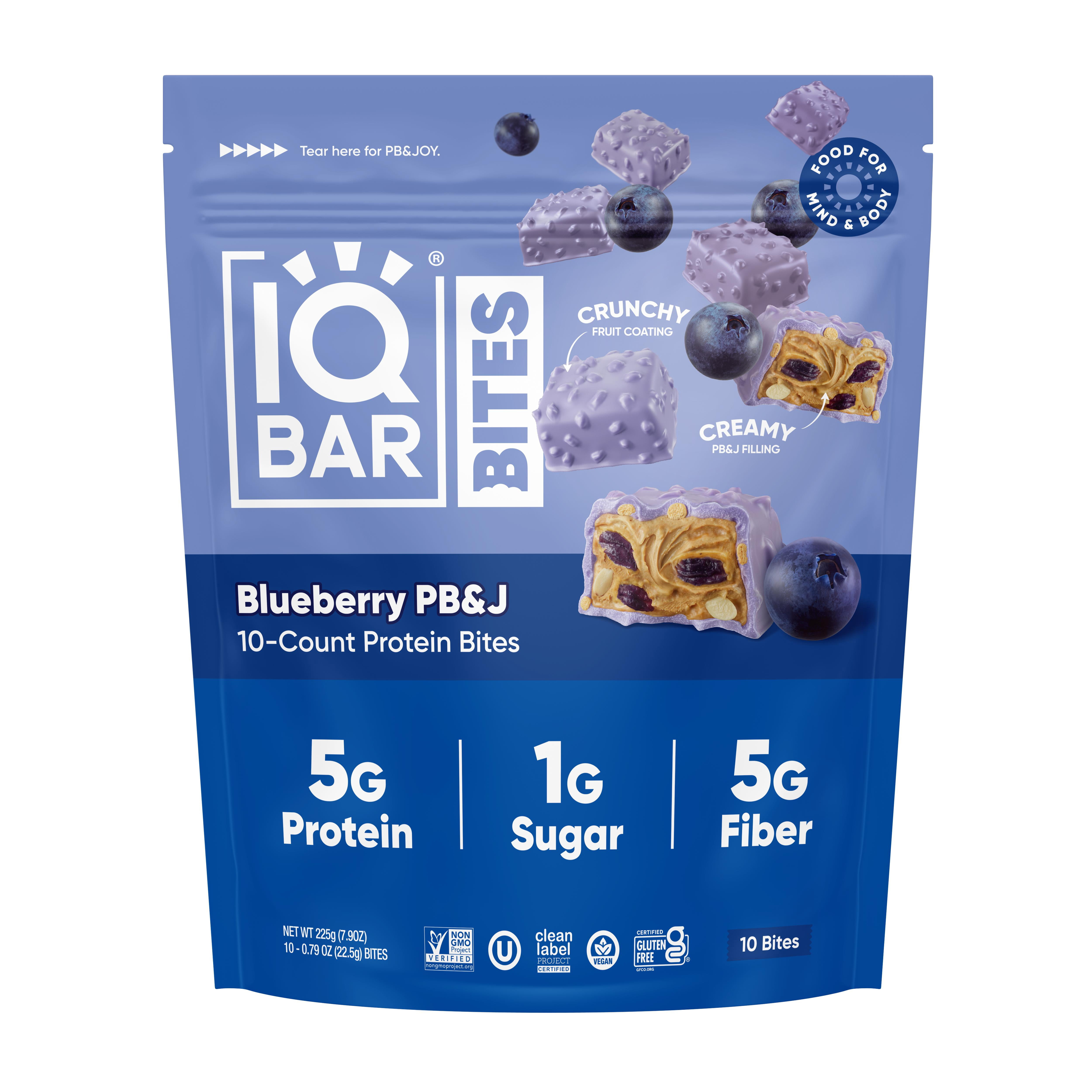
The Blueberry PB&J Protein Bites contain several beneficial ingredients such as peanuts, almonds, and blueberries, which provide healthy fats, protein, and antioxidants. However, the product is ultra-processed, which limits its score due to the presence of ingredients like RSPO palm kernel oil and natural flavors. While the product avoids artificial sweeteners and dyes, the level of processing and use of certain additives prevent it from achieving a higher rating.
Key ingredients 19
BlueberriesVery Good
Blueberries are rich in antioxidants, particularly anthocyanins, which support heart health and reduce inflammation. They provide vitamins C and K and are low in calories. Their consumption is linked to improved cognitive function.
Benefits
High in antioxidants and vitamins, supporting heart health and cognitive function.
PeanutsGood
Peanuts are a good source of protein and healthy fats. They provide essential nutrients like magnesium and vitamin E. Their natural oils support heart health.
Risks
Potential allergen for some individuals.
Benefits
Rich in monounsaturated fats and protein, supporting heart health and muscle maintenance.
AlmondsGood
Almonds are nutrient-dense nuts rich in healthy fats, fiber, and protein. They contain antioxidants and vitamin E, which support skin and heart health. Their consumption is linked to reduced cholesterol levels.
Risks
Potential allergen for some individuals.
Benefits
High in monounsaturated fats and vitamin E, promoting heart health and providing antioxidant benefits.
RaisinsGood
Raisins are dried grapes that provide natural sugars and fiber. They are a source of iron and potassium, supporting energy levels and heart health. Their natural sweetness makes them a healthier alternative to refined sugars.
Risks
High natural sugar content may affect blood sugar levels if consumed in excess.
Benefits
Provide natural sugars and fiber, supporting energy and digestive health.
Coconut OilGood
Coconut oil is a source of medium-chain triglycerides (MCTs) that provide quick energy. It has antimicrobial properties and supports metabolic health. Its saturated fat content is stable at high temperatures, making it suitable for cooking.
Risks
High in saturated fats, which may affect cholesterol levels if consumed in excess.
Benefits
Provides MCTs that support energy and metabolic health.
Sea SaltGood
Sea salt is a minimally processed salt that contains trace minerals. It enhances flavor and provides essential sodium for bodily functions. Its mineral content can vary depending on the source.
Risks
Excessive sodium intake can lead to high blood pressure.
Benefits
Provides essential sodium and trace minerals, supporting hydration and nerve function.
Spirulina ExtractGood
Spirulina extract is derived from blue-green algae and is rich in nutrients like protein, vitamins, and antioxidants. It supports immune function and has anti-inflammatory properties. Its vibrant color is used naturally in foods.
Benefits
Rich in nutrients and antioxidants, supporting immune health and reducing inflammation.
Lion's ManeGood
Lion's Mane is a medicinal mushroom known for its cognitive and neurological benefits. It contains compounds that may support brain health and improve memory. Its use in supplements is growing due to its potential neuroprotective effects.
Benefits
Supports cognitive function and may improve memory and brain health.
Vitamin EGood
Vitamin E is an antioxidant that protects cells from oxidative damage. It supports immune function and skin health. It is often added to foods to enhance nutritional value and preserve freshness.
Benefits
Acts as an antioxidant, supporting immune health and protecting cells from damage.
Tapioca FiberNeutral
Tapioca fiber is a source of dietary fiber derived from cassava root. It aids in digestion and can help maintain stable blood sugar levels. However, it lacks significant nutritional benefits beyond fiber content.
Benefits
Provides dietary fiber that supports digestive health.
Vegetable FiberNeutral
Vegetable fiber is a generic term for fiber derived from various vegetables. It supports digestive health by adding bulk to stool. The specific source and benefits depend on the vegetable used.
Benefits
Contributes to digestive health by providing dietary fiber.
Pea ProteinNeutral
Pea protein is a plant-based protein source that provides essential amino acids. It is hypoallergenic and suitable for those avoiding dairy or soy. However, it may have lower bioavailability compared to animal proteins.
Benefits
Offers a plant-based protein option that is hypoallergenic and supports muscle maintenance.
Vegetable GlycerineNeutral
Vegetable glycerine is a sugar alcohol used as a sweetener and humectant. It helps retain moisture in foods and is generally considered safe. It has a low glycemic index, making it suitable for diabetics.
Risks
Excessive consumption may cause digestive discomfort.
Benefits
Acts as a humectant, helping to retain moisture in food products.
Peanut FlourNeutral
Standard formulation ingredient — neither beneficial nor harmful at typical use.
Risks
Potential allergen for some individuals.
Benefits
Rich in protein and nutrients, supporting muscle maintenance and overall health.
Sunflower LecithinNeutral
Sunflower lecithin is an emulsifier derived from sunflower seeds. It helps blend ingredients and improve texture in foods. It is a natural alternative to soy lecithin and is generally well-tolerated.
Benefits
Acts as a natural emulsifier, improving texture and consistency in food products.
Citric AcidNeutral
Citric acid is a natural preservative and flavor enhancer found in citrus fruits. It is used to add acidity and preserve freshness in foods. It is generally recognized as safe when used in moderation.
Risks
Excessive consumption may cause tooth enamel erosion.
Benefits
Enhances flavor and preserves freshness in food products.
Stevia Plant ExtractNeutral
Stevia plant extract is a natural sweetener derived from the leaves of the stevia plant. It provides sweetness without calories and has no significant health concerns. It is suitable for diabetics due to its low glycemic index.
Benefits
Provides calorie-free sweetness, suitable for those managing blood sugar levels.
RSPO Palm Kernel OilBad
Palm kernel oil is high in saturated fats, which can raise cholesterol levels. RSPO certification indicates sustainable sourcing, but health concerns remain. It is often used for its stability in processed foods.
Risks
High in saturated fats, which may contribute to heart disease if consumed in excess.
Benefits
Provides stability and shelf life to products due to its saturated fat content.
Natural FlavorsBad
Natural flavors are a catch-all term for flavoring agents derived from natural sources. They lack transparency and may contain additives. Their use is often criticized for masking the true quality of ingredients.
Risks
Lack of transparency can be concerning for those with allergies or sensitivities.
Processing
Ultra-Processed Foods
Get the full breakdown in the Scout appTake Scout shopping
Scan any product to see lab results, healthy alternatives, and your personalized analysis.
Download on theApp Store GET IT ONGoogle Play