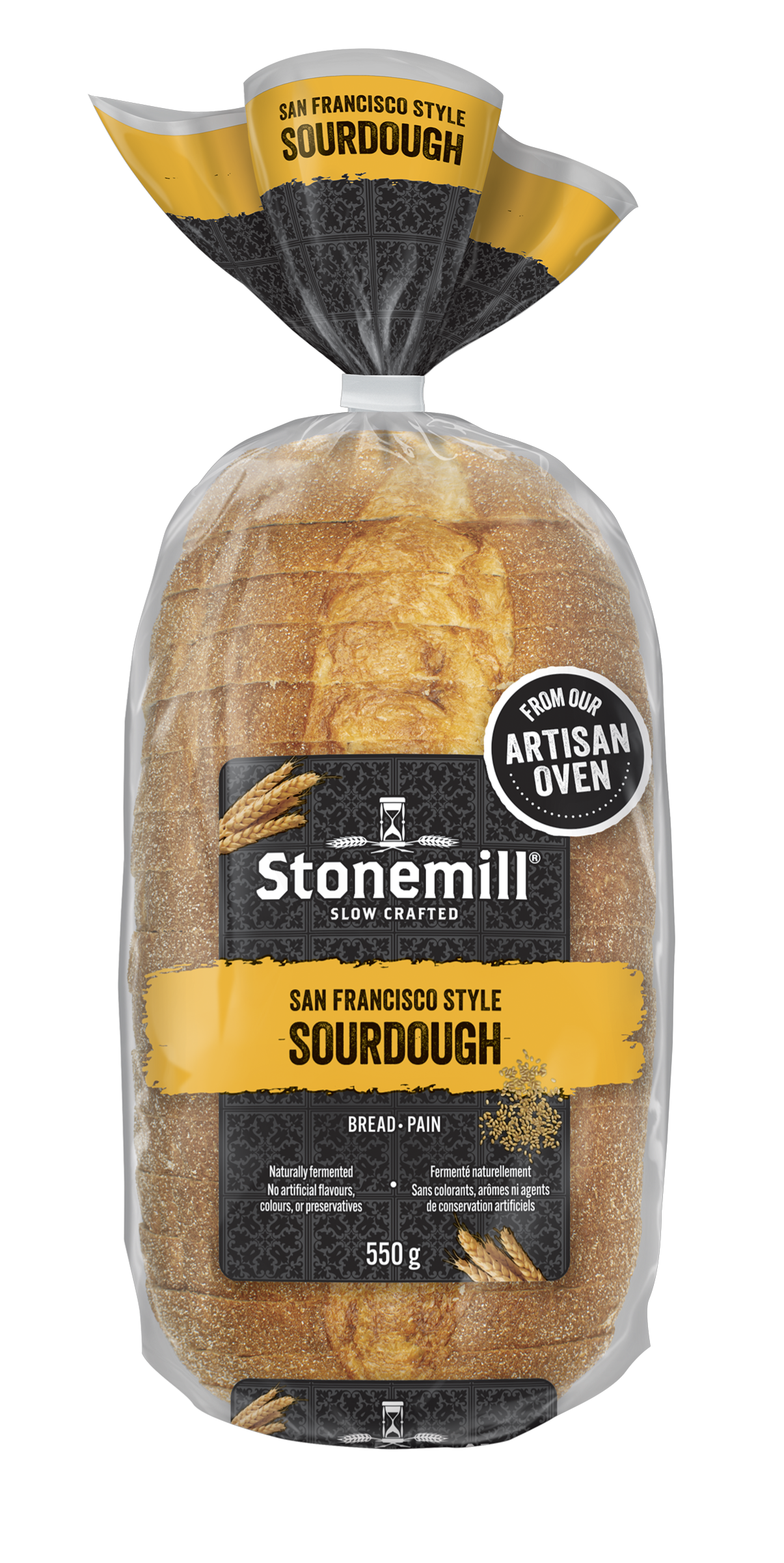
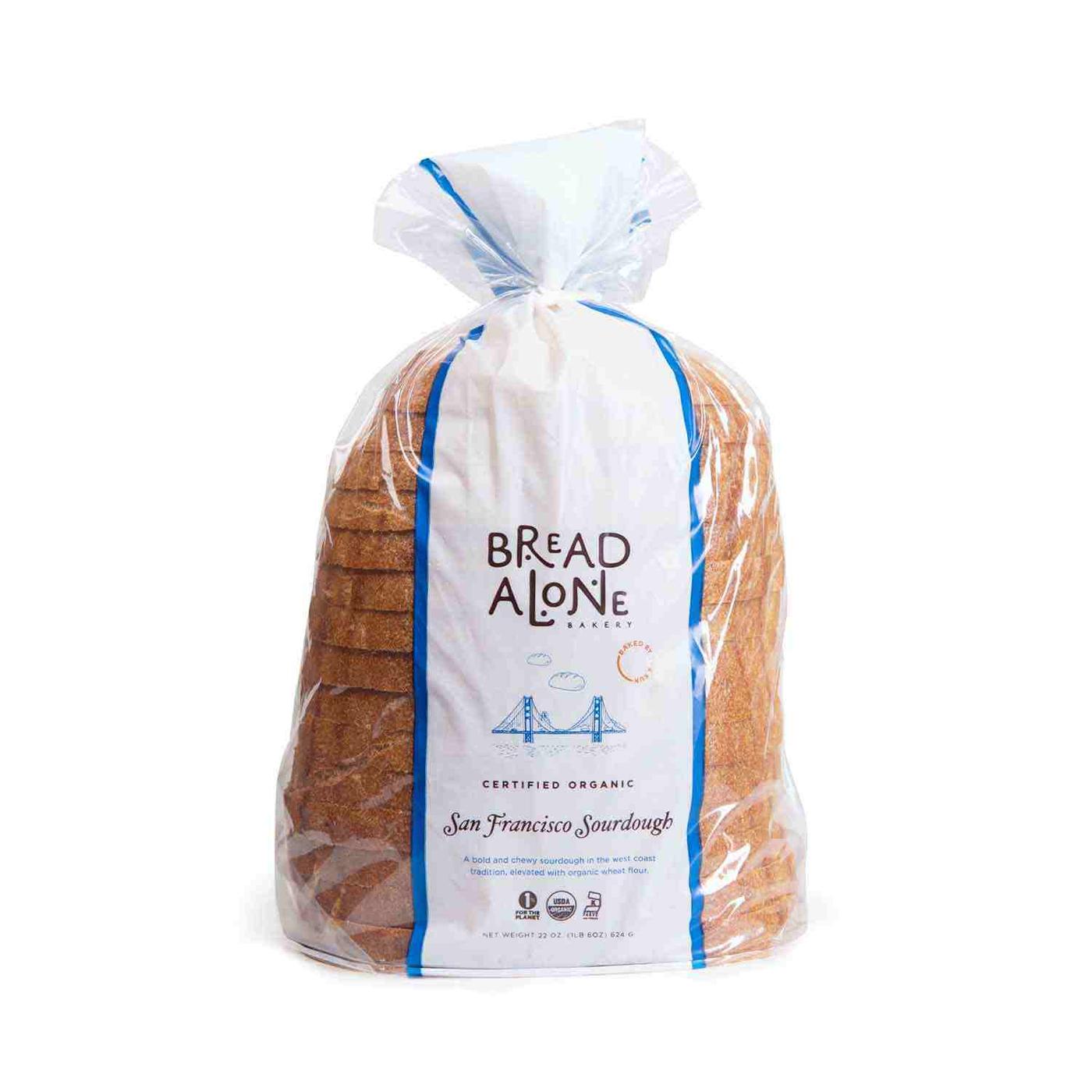
San Francisco Sourdough Boule
Whole Foods Market
At a glance
Summary
The San Francisco Sourdough Boule is made with enriched wheat flour and contains a sourdough starter, which is beneficial for flavor and digestibility. However, it is classified as ultra-processed due to the presence of multiple refined ingredients and additives, which limits its score. Despite the absence of harmful additives like seed oils or artificial sweeteners, the processing level significantly impacts its overall rating.
Key ingredients 13
Sour motherGood
Sour mother, or sourdough starter, is a natural leavening agent that enhances flavor and digestibility. It contains beneficial bacteria and yeast that can improve gut health. The fermentation process may also reduce gluten content, making it easier to digest for some individuals.
Benefits
Contains beneficial bacteria and yeast that may improve gut health and enhance flavor.
Wheat flourNeutral
Wheat flour is a staple ingredient in bread, providing structure and texture. It is a refined grain, which means it lacks some nutrients found in whole grains. While it is a common ingredient, it does not offer significant health benefits.
Risks
May cause allergic reactions in individuals with gluten intolerance or celiac disease.
Benefits
Provides carbohydrates for energy but lacks the fiber and nutrients of whole grains.
Malted barley flourNeutral
Malted barley flour is used to enhance flavor and improve the fermentation process in bread. It is minimally processed and adds a slight sweetness. However, it does not significantly impact the nutritional profile of the bread.
Benefits
Enhances flavor and aids in fermentation, contributing to the bread's texture.
NiacinNeutral
Niacin, or vitamin B3, is added to enriched flour to replace nutrients lost during processing. It is essential for energy metabolism and maintaining healthy skin. However, in the context of enriched flour, it is a standard additive with no additional health benefits.
Benefits
Supports energy metabolism and skin health as part of a balanced diet.
IronNeutral
Iron is added to enriched flour to prevent deficiencies and support oxygen transport in the body. It is a necessary mineral, especially for those at risk of anemia. However, its addition in enriched flour is standard and does not provide extra benefits beyond basic nutritional needs.
Risks
Excessive iron intake can lead to toxicity, but this is unlikely from bread consumption alone.
Benefits
Essential for oxygen transport and preventing anemia.
Thiamine mononitrateNeutral
Thiamine mononitrate is a form of vitamin B1 added to enriched flour to replace nutrients lost during processing. It plays a role in energy metabolism and nerve function. Its presence in enriched flour is standard and does not confer additional health benefits.
Benefits
Supports energy metabolism and nerve function.
RiboflavinNeutral
Riboflavin, or vitamin B2, is added to enriched flour to replace nutrients lost during processing. It is important for energy production and cellular function. Its addition is standard in enriched flour and does not provide extra health benefits.
Benefits
Supports energy production and cellular function.
Folic acidNeutral
Folic acid is added to enriched flour to prevent neural tube defects and support DNA synthesis. It is a synthetic form of folate, commonly used in fortified foods. While beneficial for preventing deficiencies, it is a standard additive in enriched flour.
Risks
Excessive intake can mask vitamin B12 deficiency, but this is unlikely from bread consumption alone.
Benefits
Prevents neural tube defects and supports DNA synthesis.
WaterNeutral
Water is a fundamental ingredient in bread, necessary for dough formation and yeast activation. It is a natural and unprocessed component. While essential for the baking process, it does not contribute additional nutritional value.
Benefits
Essential for dough formation and yeast activation in bread making.
SaltNeutral
Salt is used in bread to enhance flavor and control yeast activity. It is a common culinary ingredient with no significant health benefits. While necessary for flavor, excessive consumption can contribute to high blood pressure.
Risks
Excessive salt intake can contribute to high blood pressure and cardiovascular issues.
Benefits
Enhances flavor and controls yeast activity in bread making.
Whole wheat flourNeutral
Whole wheat flour is less processed than white flour and retains more nutrients and fiber. It contributes to the nutritional profile of the bread by providing fiber and essential nutrients. However, in small amounts, its impact on the overall nutritional value of the bread may be limited.
Risks
May cause allergic reactions in individuals with gluten intolerance or celiac disease.
Benefits
Provides fiber and essential nutrients, contributing to a healthier nutritional profile.
Wheat branNeutral
Wheat bran is a source of dietary fiber and nutrients, often added to improve the nutritional profile of bread. It is minimally processed and can aid in digestion. However, its presence in small amounts may not significantly impact the overall nutritional value.
Risks
May cause digestive discomfort in some individuals if consumed in large quantities.
Benefits
Provides dietary fiber and nutrients, supporting digestive health.
DextroseNeutral
Dextrose is a simple sugar used to feed yeast and enhance browning in bread. It is a refined carbohydrate with no significant nutritional benefits. While it aids in the baking process, it does not contribute to the healthfulness of the bread.
Risks
Excessive consumption of simple sugars can contribute to weight gain and metabolic issues.
Benefits
Aids in yeast fermentation and enhances browning in bread.
Processing
Ultra-Processed Foods
Get the full breakdown in the Scout appTake Scout shopping
Scan any product to see lab results, healthy alternatives, and your personalized analysis.
Are you Whole Foods Market? Fix an error Get the badge Get tested
Amazon pricing & content
CERTAIN CONTENT THAT APPEARS ON THIS SITE COMES FROM AMAZON. THIS CONTENT IS PROVIDED “AS IS” AND IS SUBJECT TO CHANGE OR REMOVAL AT ANY TIME.