


At a glance
Summary
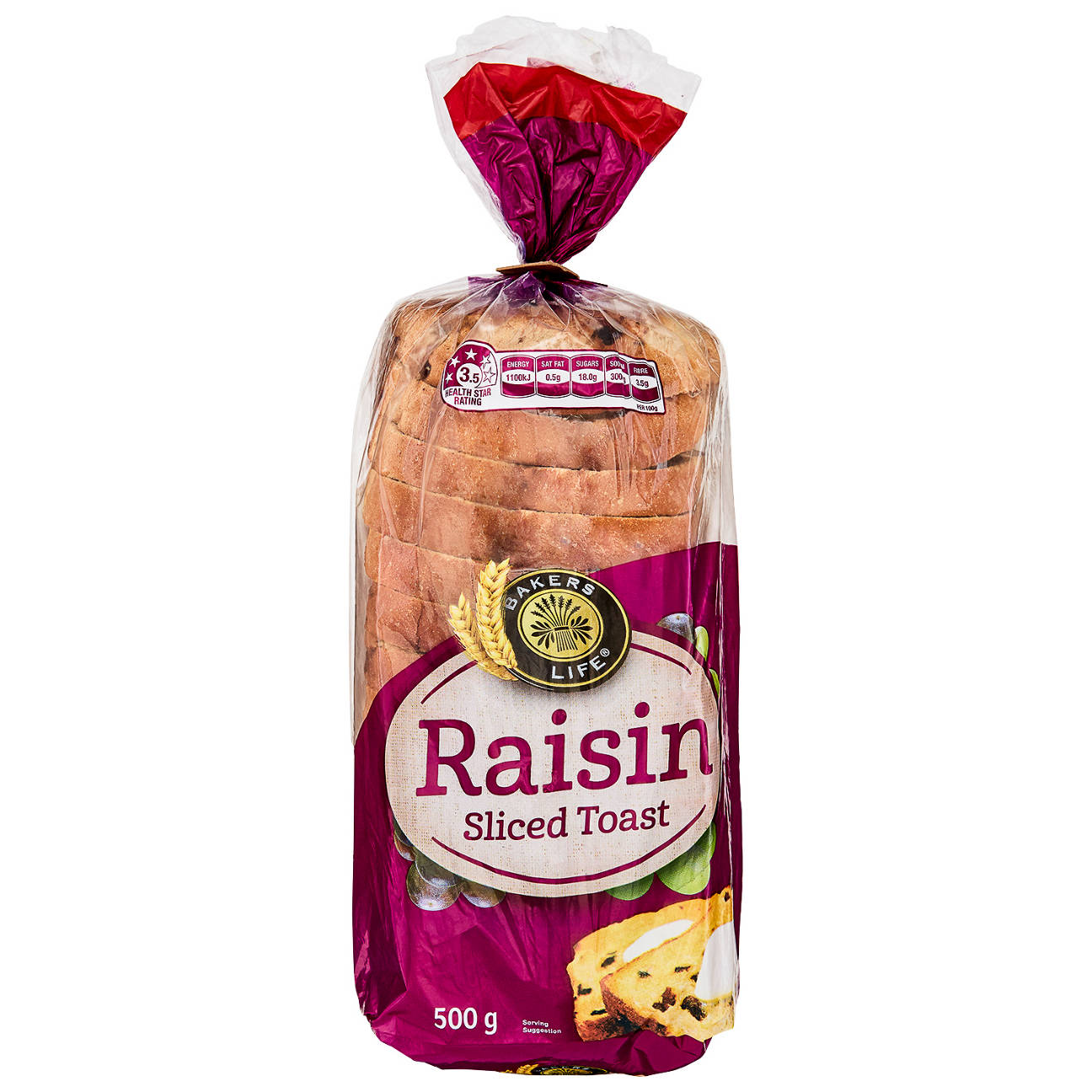
This raisin sliced toast contains beneficial ingredients like mixed dried fruit and spices, which add natural sweetness and flavor. However, the presence of vegetable oil, likely a blend of seed oils, and synthetic emulsifiers indicates a higher level of processing. These factors, combined with the processed nature of the product, limit its overall healthiness.
Key ingredients 12
Mixed Dried FruitGood
Mixed dried fruit, including raisins and sultanas, adds natural sweetness and fiber to the product. These fruits are rich in antioxidants and provide essential vitamins and minerals. The presence of natural sugars is balanced by fiber content, which aids digestion.
Risks
Excessive consumption may contribute to high sugar intake, but this is mitigated by the fiber content.
Benefits
Rich in antioxidants and fiber, supporting digestive health and providing essential nutrients.
SpicesGood
Spices add flavor and aroma to foods, enhancing their sensory appeal. They often contain antioxidants and other beneficial compounds that can support health. The small quantity used in this product contributes to flavor without significant health risks.
Benefits
Rich in antioxidants and can enhance flavor without adding calories or unhealthy components.
WaterNeutral
Water is a fundamental ingredient in baking, providing moisture and aiding in the mixing process. It is essential for activating yeast and developing gluten in dough. As a natural and unprocessed ingredient, it poses no health risks.
Benefits
Water is crucial for hydration and supports the physical properties of the dough.
YeastNeutral
Yeast is a natural leavening agent that helps dough rise by producing carbon dioxide. It contributes to the texture and flavor of baked goods. As a natural ingredient, it is generally considered safe and beneficial in moderation.
Benefits
Yeast enhances the texture and flavor of bread, making it more palatable and enjoyable.
Wheat GlutenNeutral
Wheat gluten is added to improve the elasticity and chewiness of bread. It is a concentrated protein derived from wheat, enhancing the structural integrity of baked goods. While beneficial for texture, it may pose issues for those with gluten sensitivities.
Risks
May cause adverse reactions in individuals with gluten intolerance or celiac disease.
Benefits
Improves the texture and structural integrity of bread, making it more appealing.
Iodised SaltNeutral
Iodised salt is a common seasoning that provides essential iodine, a nutrient important for thyroid function. It is refined and lacks the trace minerals found in unrefined salts. While necessary in small amounts, excessive intake can lead to health issues.
Risks
Excessive sodium intake can lead to hypertension and other cardiovascular issues.
Benefits
Provides essential iodine, supporting thyroid health and metabolic functions.
Soy FlourNeutral
Soy flour is used to enhance the protein content and improve the texture of baked goods. It is a plant-based protein source that can be beneficial in moderation. However, it may contain anti-nutrients that affect mineral absorption.
Risks
May contain anti-nutrients that can interfere with mineral absorption if consumed in large amounts.
Benefits
Enhances protein content and improves texture in baked goods.
White VinegarNeutral
White vinegar is used as a preservative and flavor enhancer in baked goods. It is a natural product derived from fermentation, contributing to the acidity and shelf life of the product. It poses no significant health risks when used in small amounts.
Benefits
Acts as a natural preservative and flavor enhancer, extending shelf life and improving taste.
Processing AidNeutral
Processing aids like wheat are used to facilitate manufacturing without remaining in the final product. They are generally considered safe and do not contribute to the nutritional profile. Their impact is minimal in the finished product.
Benefits
Facilitates manufacturing processes without affecting the final product's nutritional quality.
Wheat FlourBad
Refined grain flour stripped of bran and germ.
Risks
Refined wheat flour can contribute to blood sugar spikes and may lack fiber compared to whole grain alternatives.
Benefits
Enrichment with vitamins like thiamin and folic acid can provide essential nutrients that support metabolic processes.
EmulsifiersBad
Emulsifiers like 481 and 472e are used to improve texture and extend shelf life in processed foods. They are synthetic additives that can disrupt gut health when consumed in large quantities. Their presence indicates a higher level of processing.
Risks
May disrupt gut health and contribute to inflammation when consumed in excess.
Benefits
Improve texture and extend shelf life, making products more stable and appealing.
Vegetable OilVery Bad
Vegetable oil is often a blend of seed oils, which are high in omega-6 fatty acids. These oils are typically extracted using high heat and chemicals, which can degrade their nutritional quality. High omega-6 content may promote inflammation when consumed in excess.
Risks
High omega-6 content may promote inflammation and contribute to chronic health issues when consumed in large amounts.
Benefits
Provides a source of fat that can enhance the texture and mouthfeel of baked goods.
Processing
Processed Foods
Get the full breakdown in the Scout appTake Scout shopping
Scan any product to see lab results, healthy alternatives, and your personalized analysis.
Download on theApp Store GET IT ONGoogle Play