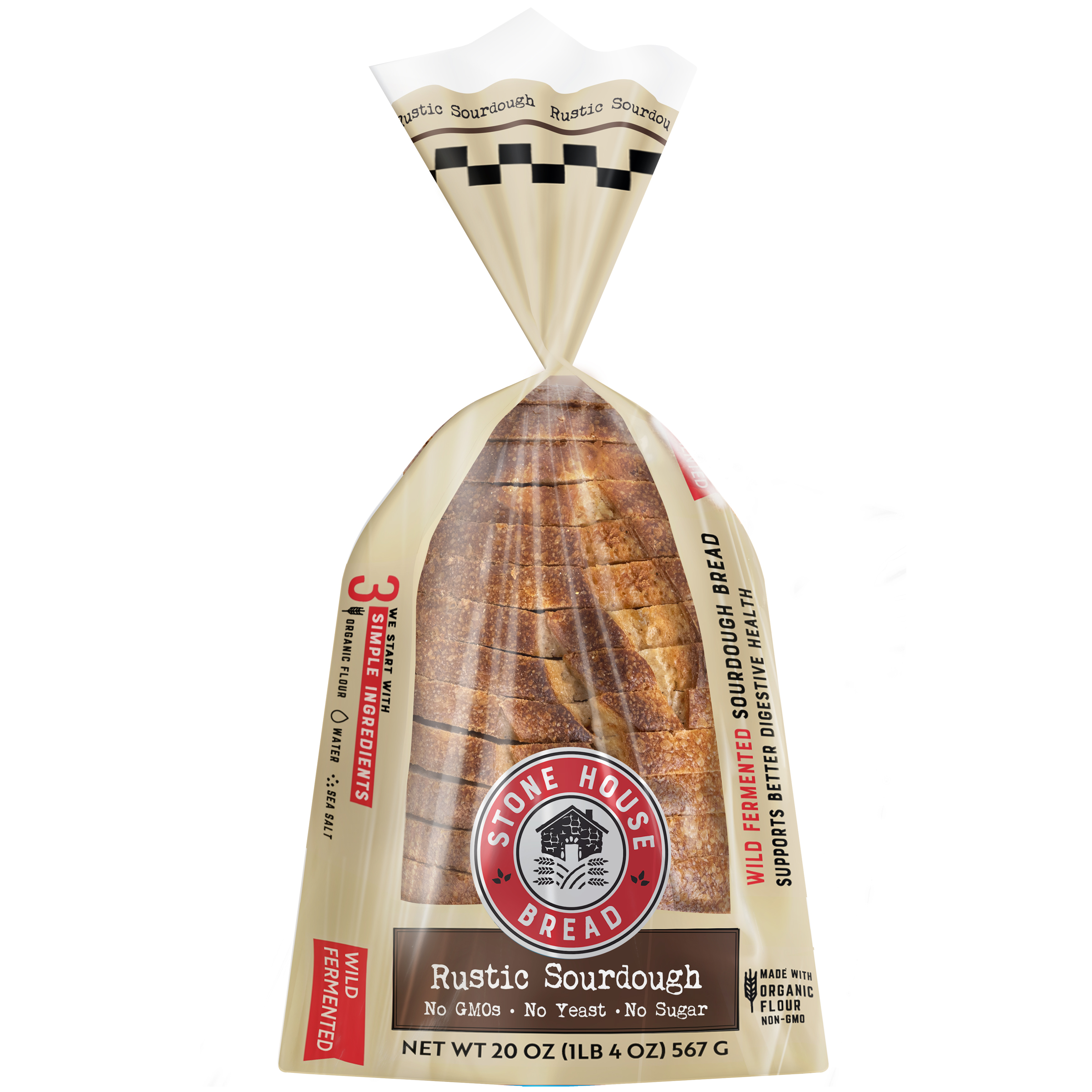
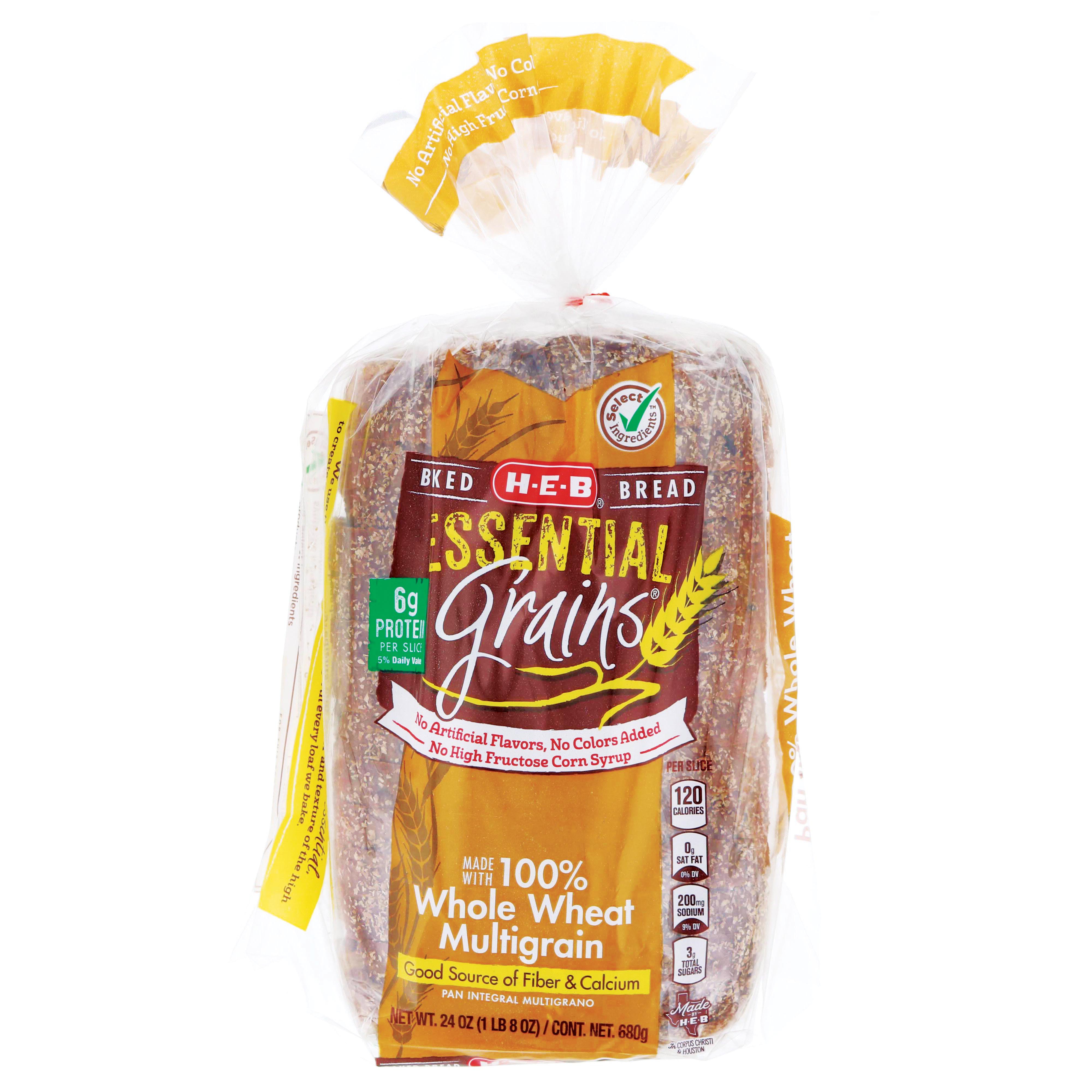
Private Selection 100% Whole Wheat Bread - 24.0 oz
Private Selection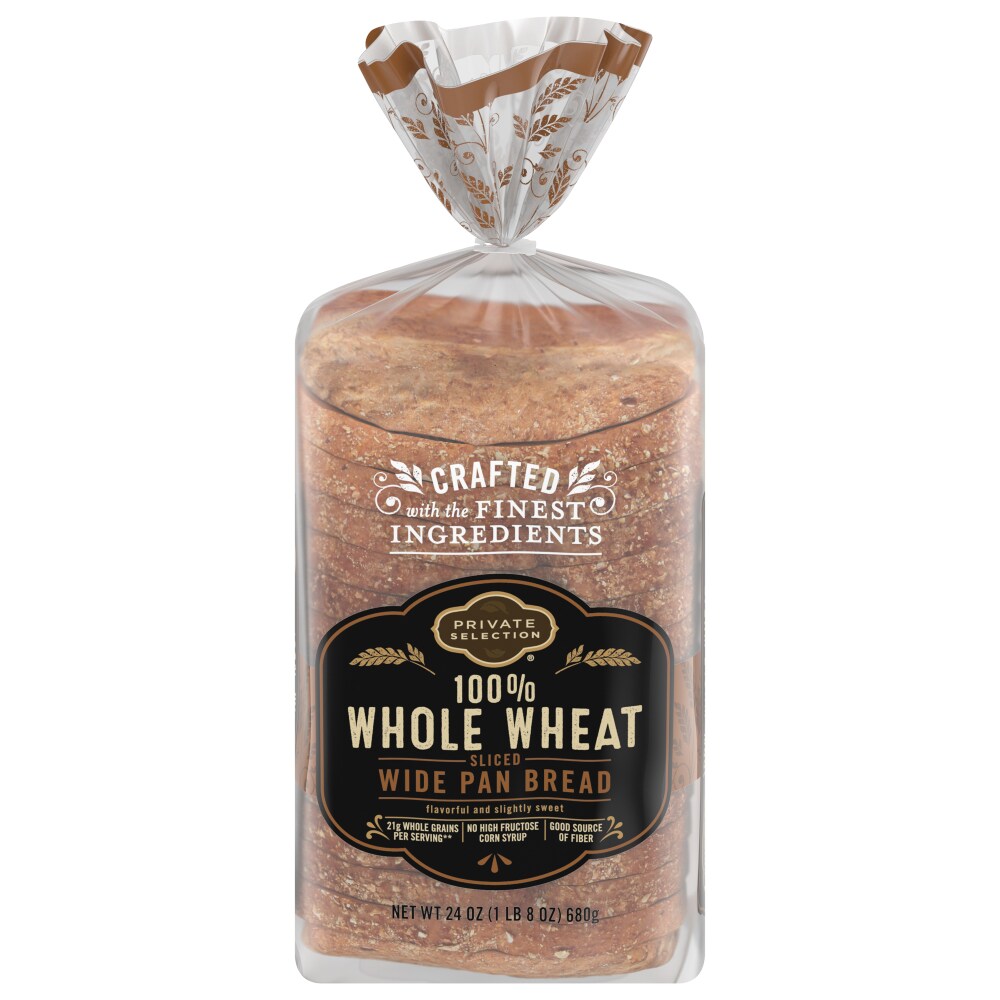
At a glance
Summary
This bread contains whole wheat flour, which is beneficial for providing fiber and essential nutrients. However, the presence of soybean oil, a seed oil high in omega-6 fatty acids, and refined sugar, which can lead to blood sugar spikes, are notable concerns. The product is moderately processed, which limits its overall health score.
Key ingredients 14
Whole wheat flourGood
Whole wheat flour is a whole grain ingredient that retains all parts of the grain, providing fiber and essential nutrients. It is less processed compared to refined flour, maintaining more of its natural vitamins and minerals. This ingredient supports digestive health and provides sustained energy.
Benefits
Rich in dietary fiber, which aids in digestion and helps maintain healthy blood sugar levels. Provides essential nutrients like B vitamins and iron.
Ascorbic acidGood
Vitamin C — beneficial even when serving as a preservative.
Benefits
Acts as an antioxidant and dough enhancer, improving bread texture and volume.
WaterNeutral
Water is a neutral ingredient used as a solvent and to provide moisture in the bread. It is essential for the dough formation and baking process. Water itself does not contribute calories or nutrients.
See more about Water →Vital wheat glutenNeutral
Vital wheat gluten is a concentrated protein derived from wheat, used to improve the texture and elasticity of bread. It is a processed ingredient but is generally considered safe for those without gluten sensitivities. It enhances the protein content of the bread.
Risks
May cause adverse reactions in individuals with gluten intolerance or celiac disease.
Benefits
Increases the protein content of the bread, contributing to a better texture and structure.
YeastNeutral
Yeast is a natural leavening agent that helps the bread rise by producing carbon dioxide during fermentation. It is a minimally processed ingredient that contributes to the bread's texture and flavor. Yeast is generally considered safe and beneficial for bread-making.
Benefits
Contributes to the leavening and flavor of the bread, making it light and airy.
MolassesNeutral
Molasses is a byproduct of sugar refining, providing a rich flavor and color to the bread. It contains some vitamins and minerals, but in small amounts. It is less processed than refined sugar but still contributes to the sugar content of the product.
Risks
May contribute to sugar intake, which should be moderated in the diet.
Benefits
Contains trace amounts of minerals such as iron and calcium, offering slight nutritional benefits over refined sugar.
Wheat branNeutral
Wheat bran is the outer layer of the wheat kernel, rich in dietary fiber. It is a minimally processed ingredient that supports digestive health. Wheat bran adds texture and nutritional value to the bread.
Benefits
High in dietary fiber, which aids in digestion and promotes a feeling of fullness.
SaltNeutral
Salt is used to enhance flavor and control yeast activity in bread. It is a processed ingredient but is essential for the baking process. While necessary in small amounts, excessive salt intake can lead to health issues.
Risks
Excessive consumption may contribute to high blood pressure and cardiovascular issues.
Benefits
Enhances flavor and helps control yeast fermentation in bread-making.
Calcium propionateNeutral
Calcium propionate is a preservative used to prevent mold growth in bread. It is a synthetic additive but is considered safe in regulated amounts. It extends the shelf life of the product by inhibiting microbial growth.
Benefits
Prevents mold growth, extending the shelf life of bread.
Ammonium sulfateNeutral
Ammonium sulfate is used as a dough conditioner to improve bread quality. It is a synthetic additive but is generally recognized as safe in food applications. It enhances the texture and volume of the bread.
Benefits
Improves dough strength and bread volume, contributing to a better texture.
EnzymesNeutral
Enzymes are used to improve dough handling and bread quality. They are natural proteins that catalyze biochemical reactions in the dough. Enzymes are generally considered safe and beneficial for bread-making.
Benefits
Enhances dough handling and bread quality, contributing to a better texture and volume.
SugarBad
Refined sugar is a simple carbohydrate that can lead to spikes in blood sugar levels. It is highly processed and provides empty calories without essential nutrients. Excessive consumption is linked to various health issues, including obesity and diabetes.
Risks
May contribute to weight gain, insulin resistance, and increased risk of chronic diseases when consumed in large amounts.
Sodium stearoyl lactylateBad
Processed additive flagged under Scout's ingredient doctrine.
Benefits
Improves the texture and shelf life of bread, maintaining softness and freshness.
Soybean oilVery Bad
Soybean oil is a seed oil high in omega-6 fatty acids, which can promote inflammation when consumed in excess. It is often extracted using chemical solvents, which may leave residues. Compared to healthier fats like olive oil, it lacks beneficial monounsaturated fats.
Risks
High omega-6 content may promote inflammation and contribute to an imbalance in the omega-3 to omega-6 ratio.
Processing
Processed Foods
Get the full breakdown in the Scout appTake Scout shopping
Scan any product to see lab results, healthy alternatives, and your personalized analysis.
Are you Private Selection? Fix an error Get the badge Get tested