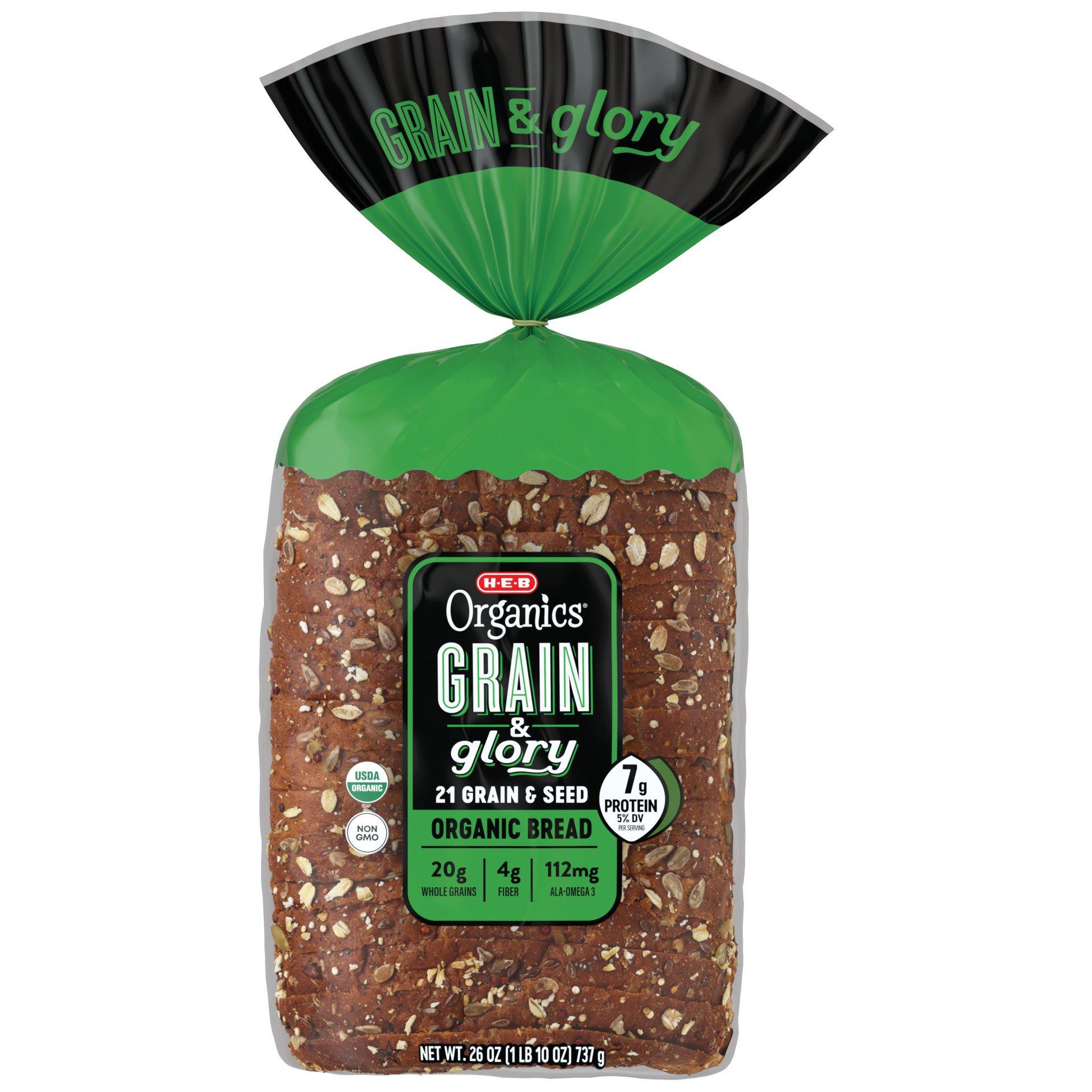
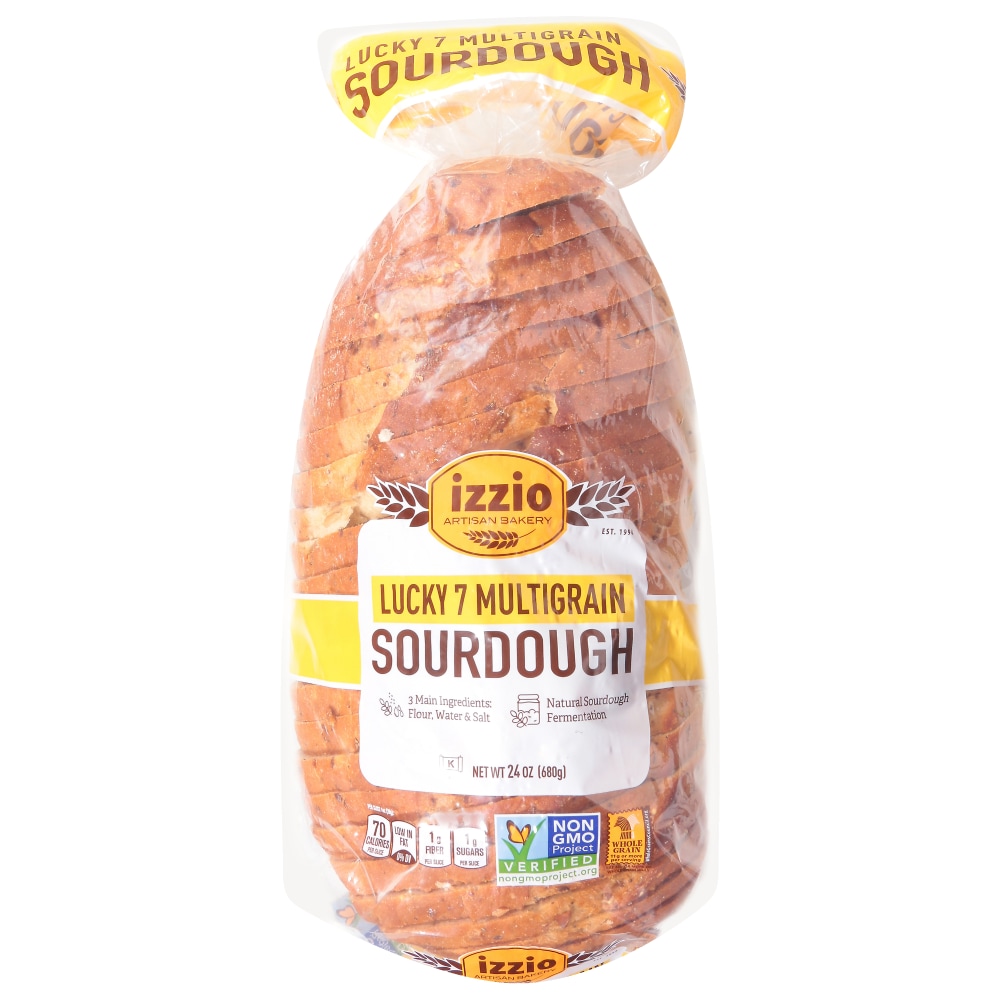
All Natural 9 Grain 1/2 Loaf Bread

At a glance
Summary
This bread contains a mix of whole grains and seeds, which are beneficial for providing fiber and nutrients. However, the presence of enriched wheat flour and vegetable oil, which are more processed and less nutritious, detracts from its overall healthiness. Additionally, the inclusion of sugar and the processing level of the product limit its score, despite the presence of some high-quality ingredients.
Key ingredients 22
Flax seedVery Good
Flax seed is a nutrient-dense seed rich in omega-3 fatty acids and fiber. It supports heart health and has anti-inflammatory properties. It is minimally processed and retains its nutritional profile.
Risks
May cause digestive issues if consumed in large amounts without adequate hydration.
Benefits
Rich in omega-3 fatty acids and fiber, promoting heart health and digestion.
Whole wheat flourGood
Whole wheat flour is a whole grain that retains all parts of the grain, providing fiber and nutrients. It is less processed than refined flour. It supports digestive health and provides sustained energy.
Risks
May cause digestive discomfort in individuals with wheat sensitivities.
Benefits
Rich in fiber, vitamins, and minerals, supporting heart and digestive health.
Cracked wheatGood
Cracked wheat is a whole grain that retains its bran and germ, providing fiber and nutrients. It is less processed than refined grains. It supports digestive health and provides sustained energy.
Risks
May cause digestive discomfort in individuals with wheat sensitivities.
Benefits
Provides fiber and nutrients, supporting heart and digestive health.
Barley flakesGood
Barley flakes are a whole grain that retains its nutrients and fiber. They are minimally processed and support heart health. They provide a chewy texture and nutty flavor.
Risks
May cause digestive discomfort in individuals with gluten sensitivities.
Benefits
Rich in fiber and nutrients, supporting heart health and digestion.
Sunflower seedsGood
Sunflower seeds are a nutrient-rich whole food providing healthy fats, protein, and vitamins. They are minimally processed and support heart health. They add texture and flavor to foods.
Risks
May cause allergic reactions in sensitive individuals.
Benefits
Rich in healthy fats, protein, and vitamins, supporting heart health and providing energy.
HoneyGood
Traditional whole-food sweetener with trace enzymes and antioxidants.
Risks
High sugar content can contribute to blood sugar spikes if consumed in excess.
Benefits
Contains antioxidants and trace nutrients, offering some health benefits over refined sugar.
Rye mealGood
Rye meal is a whole grain that retains its nutrients and fiber. It is less processed than refined grains and supports heart health. It provides a distinct flavor and texture.
Risks
May cause digestive discomfort in individuals with gluten sensitivities.
Benefits
Rich in fiber and nutrients, supporting heart health and digestion.
MilletGood
Millet is a whole grain that is gluten-free and rich in fiber and nutrients. It is minimally processed and supports digestive health. It provides a nutty flavor and texture.
Benefits
Rich in fiber and nutrients, supporting digestive health and providing energy.
Sesame seedsGood
Sesame seeds are a nutrient-rich whole food providing healthy fats, protein, and minerals. They are minimally processed and support heart health. They add texture and flavor to foods.
Risks
May cause allergic reactions in sensitive individuals.
Benefits
Rich in healthy fats, protein, and minerals, supporting heart health and providing energy.
SpicesGood
Whole-food seasonings, antioxidant-bearing.
Benefits
Enhances flavor and aroma, providing some antioxidants.
Malted barley flourNeutral
Malted barley flour is used to enhance flavor and aid in fermentation. It is minimally processed and retains some nutrients. It is often used in small quantities in bread making.
Benefits
Can improve the texture and flavor of baked goods.
WaterNeutral
Water is a basic ingredient used in bread making to hydrate flour and activate yeast. It is essential for the dough formation process. It does not provide any nutritional value.
Benefits
Essential for dough formation and yeast activation.
Corn mealNeutral
Corn meal is a ground whole grain that provides carbohydrates and some fiber. It is less processed than refined corn products. It is often used to add texture and flavor.
Benefits
Provides carbohydrates and some fiber, supporting energy levels.
YeastNeutral
Yeast is a microorganism used in bread making to ferment sugars and produce carbon dioxide, causing the dough to rise. It is a natural ingredient essential for leavening. It does not provide significant nutritional value.
Benefits
Essential for leavening and contributes to the texture of bread.
SaltNeutral
Salt is used to enhance flavor and control yeast activity in bread making. It is a refined ingredient without trace minerals. It is essential in moderation for flavor and preservation.
Risks
Excessive consumption can lead to high blood pressure and cardiovascular issues.
Benefits
Enhances flavor and helps control yeast activity in bread.
Wheat glutenNeutral
Wheat gluten is a protein derived from wheat that provides elasticity and structure to bread. It is a natural component of wheat flour. It is often added to improve dough strength.
Risks
May cause allergic reactions or digestive issues in individuals with gluten sensitivities.
Benefits
Improves dough elasticity and structure, enhancing bread texture.
VinegarNeutral
Vinegar is used in bread making to enhance flavor and act as a preservative. It is a natural ingredient with minimal processing. It does not provide significant nutritional value.
Benefits
Enhances flavor and acts as a natural preservative.
MaltNeutral
Malt is used to enhance flavor and color in bread. It is derived from grains and is minimally processed. It is often used in small quantities.
Benefits
Enhances flavor and color in baked goods.
Dough conditionersNeutral
Dough conditioners like ascorbic acid and enzymes are used to improve dough handling and texture. They are often used in small quantities and are generally considered safe. They do not provide significant nutritional value.
Benefits
Improves dough handling and texture, enhancing bread quality.
Enriched wheat flourBad
Enriched wheat flour is refined and lacks the fiber and nutrients found in whole grains. It is often fortified with synthetic vitamins to replace lost nutrients. The refining process removes beneficial components like bran and germ.
Risks
May contribute to blood sugar spikes and lacks the fiber necessary for digestive health.
Benefits
Provides a source of carbohydrates and some added vitamins like niacin and folic acid.
SugarBad
Sugar is a refined carbohydrate that can contribute to blood sugar spikes. It is often added to enhance flavor. Excessive consumption is linked to various health issues.
Risks
High intake can lead to obesity, diabetes, and dental issues.
Benefits
Provides quick energy but lacks nutritional benefits.
Vegetable oilVery Bad
Vegetable oil, often canola or soybean, is high in omega-6 fatty acids which can promote inflammation. It is highly processed and refined. The extraction process often involves chemical solvents.
Risks
High omega-6 content may promote inflammation when consumed in excess.
Processing
Processed Foods
Get the full breakdown in the Scout appTake Scout shopping
Scan any product to see lab results, healthy alternatives, and your personalized analysis.
Are you Hannaford? Fix an error Get the badge Get tested