


At a glance
Summary
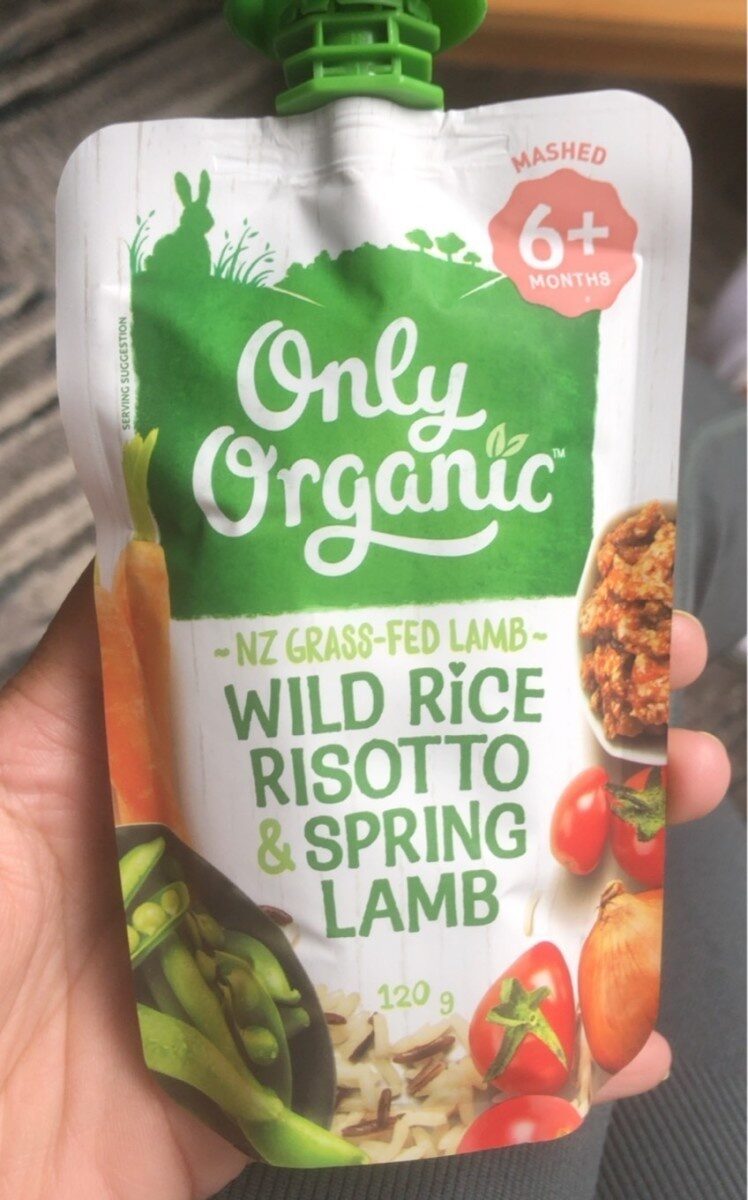
This product contains beneficial ingredients such as wild rice, whey, and various vegetables, which contribute to its nutritional value. However, it is classified as ultra-processed due to the presence of hydrolyzed soy protein and additives, which limits its overall healthiness. The processing level and the presence of processed ingredients prevent it from achieving a higher score.
Key ingredients 17
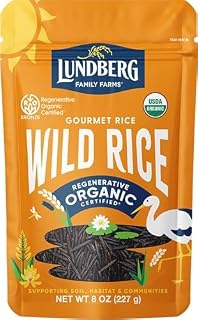
Wild RiceGood
Wild rice is a whole grain rich in protein and fiber. It contains essential minerals and antioxidants. Its nutrient density makes it a beneficial addition to the diet.
Benefits
Rich in protein, fiber, and essential minerals, supporting overall health.
SpinachGood
Spinach is a nutrient-dense leafy green rich in vitamins and minerals. It provides antioxidants and supports overall health. Its inclusion enhances the nutritional profile of the product.
Benefits
Rich in vitamins A, C, and K, as well as iron and calcium.
GarlicGood
Garlic is known for its potential health benefits, including antimicrobial properties. It adds flavor and may support cardiovascular health. Its bioactive compounds contribute to its health-promoting effects.
Benefits
Contains compounds that may support heart health and immune function.
TomatoGood
Tomato is a source of vitamins and antioxidants, particularly lycopene. It supports heart health and may reduce inflammation. Its inclusion adds nutritional value to the product.
Benefits
Rich in lycopene, which may support heart health and reduce inflammation.
CarrotsGood
Carrots are rich in beta-carotene, a precursor to vitamin A. They support eye health and provide antioxidants. Their inclusion enhances the nutritional profile of the product.
Benefits
High in beta-carotene, supporting vision and immune health.
ParsleyGood
Beneficial ingredient — whole-food or functional value in this product class.
Benefits
Contains minor amounts of vitamins and antioxidants.
Long Grain Parboiled RiceNeutral
Long grain parboiled rice is a staple carbohydrate source. It undergoes a steaming process before milling, which helps retain some nutrients. It provides energy but lacks significant micronutrients.
Benefits
Provides a source of carbohydrates for energy.
WheyNeutral
Liquid whey as a minor dairy ingredient — benign.
Risks
May cause allergic reactions in individuals with milk allergies.
Benefits
Excellent source of complete protein, supporting muscle health.
SaltNeutral
Salt is used to enhance flavor and preserve food. It is a common ingredient in processed foods. Excessive consumption can lead to health issues.
Risks
High sodium intake can contribute to hypertension and cardiovascular disease.
Benefits
Essential for maintaining fluid balance and nerve function.
Dried OnionNeutral
Dried onion is used for flavoring and contains some antioxidants. It is a dehydrated form of fresh onion. It adds flavor without significant nutritional impact.
Benefits
Adds flavor and contains minor amounts of antioxidants.
CeleryNeutral
Celery is a low-calorie vegetable used for flavoring. It contains some vitamins and minerals but in small amounts. Its primary role is to enhance taste.
Benefits
Provides minor amounts of vitamins and minerals.
Potassium ChlorideNeutral
Potassium chloride is used as a salt substitute to reduce sodium content. It provides potassium, an essential mineral. Its use helps balance sodium intake.
Risks
Excessive intake can lead to hyperkalemia, especially in individuals with kidney issues.
Benefits
Provides potassium, which is essential for heart and muscle function.
Lactic AcidNeutral
Lactic acid is used as a preservative and flavoring agent. It is naturally found in fermented foods. Its role is primarily to enhance flavor and preserve freshness.
Benefits
May support gut health when derived from natural fermentation.
Citric AcidNeutral
Citric acid is a natural preservative and flavor enhancer. It is commonly found in citrus fruits. Its primary function is to add acidity and preserve freshness.
Benefits
Enhances flavor and acts as a natural preservative.
SpiceNeutral
Spice is used for flavoring and can include a variety of herbs and spices. It adds complexity to the flavor profile. The specific spices used are not detailed, limiting precise analysis.
Benefits
Adds flavor and may provide minor health benefits depending on the spices used.
Hydrolyzed Soy ProteinBad
Hydrolyzed soy protein is a processed form of soy protein. It is used to enhance flavor but lacks the complete amino acid profile of animal proteins. Its processing may lead to the formation of harmful compounds.
Risks
May contain MSG and other compounds that can cause allergic reactions or sensitivities.
Benefits
Provides a source of protein, though not as complete as animal-based proteins.
Yeast ExtractBad
Concentrated glutamate source — MSG-adjacent flavor enhancer.
Risks
May contain glutamates that can cause sensitivities in some individuals.
Benefits
Provides B vitamins and enhances flavor.
Processing
Ultra-Processed Foods
Get the full breakdown in the Scout appTake Scout shopping
Scan any product to see lab results, healthy alternatives, and your personalized analysis.
Download on theApp Store GET IT ONGoogle Play