





At a glance
Summary
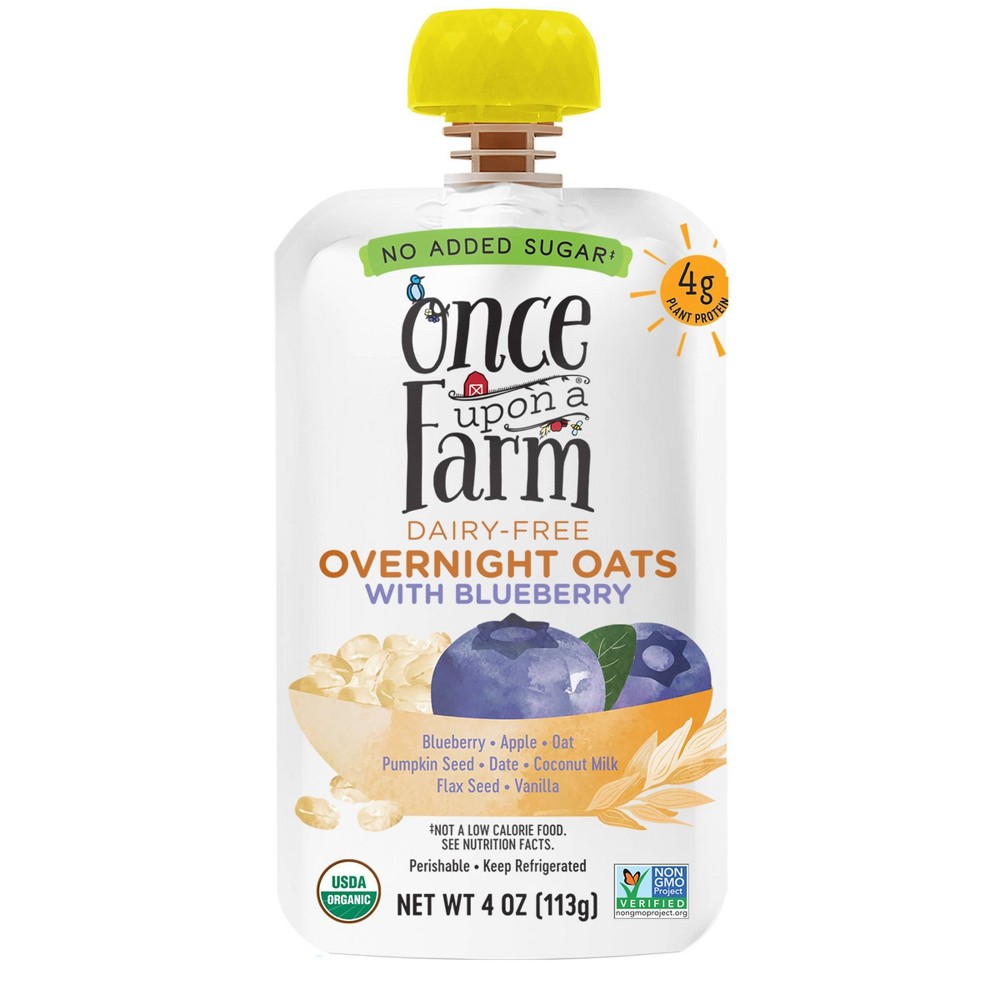
This product contains several beneficial ingredients such as whole grain rolled oats, flaxseed, quinoa, and blueberries, which provide essential nutrients and antioxidants. However, the presence of refined sugar and natural flavors introduces some concerns, as these can contribute to health issues like blood sugar spikes and lack transparency. The product is moderately processed, which limits its score despite the overall positive nutritional profile.
Key ingredients 9
Whole Grain Rolled OatsVery Good
Whole grain rolled oats are a minimally processed source of complex carbohydrates and fiber. They provide essential nutrients like manganese, phosphorus, and magnesium. Their beta-glucan content supports heart health by lowering cholesterol levels.
Benefits
Rich in dietary fiber, which aids digestion and promotes satiety. Contains beta-glucans that may help reduce cholesterol and improve heart health.
FlaxseedVery Good
Flaxseed is a nutrient-dense seed rich in omega-3 fatty acids, fiber, and lignans. It supports heart health and may reduce inflammation. The fiber content aids in digestion and promotes a feeling of fullness.
Risks
May cause digestive discomfort if consumed in large amounts without adequate water.
Benefits
High in omega-3 fatty acids, which support cardiovascular health. Contains lignans that have antioxidant properties.
BlueberriesVery Good
Blueberries are rich in antioxidants, particularly anthocyanins, which support brain health and reduce oxidative stress. They are low in calories and high in vitamins C and K. Regular consumption may improve heart health and cognitive function.
Benefits
High in antioxidants that protect against cellular damage. Supports heart health and may improve cognitive function.
QuinoaGood
Quinoa is a complete protein source containing all nine essential amino acids. It is also high in fiber, vitamins, and minerals. Its nutrient profile supports muscle repair and overall health.
Benefits
Provides a complete protein source, beneficial for muscle growth and repair. Rich in fiber and essential nutrients like magnesium and iron.
Banana FlakesGood
Banana flakes are a natural source of potassium and vitamin B6. They provide energy and support muscle function. The natural sugars in bananas offer a quick energy boost.
Benefits
Rich in potassium, which supports heart and muscle function. Provides natural sugars for quick energy.
SaltNeutral
Salt is used to enhance flavor but provides no significant nutritional benefits. Excessive intake can lead to high blood pressure. It is a common additive in processed foods.
Risks
High sodium intake is linked to increased blood pressure and cardiovascular risk.
Citric AcidNeutral
Citric acid is a natural preservative and flavor enhancer. It is commonly used to maintain freshness and add a tangy taste. It is generally recognized as safe when consumed in typical amounts.
Risks
Excessive consumption may cause tooth enamel erosion.
Benefits
Helps preserve freshness and enhances flavor without significant health risks.
SugarBad
Refined sugar is a source of empty calories with no essential nutrients. Excessive consumption can lead to weight gain and increased risk of chronic diseases. It can also contribute to tooth decay and blood sugar spikes.
Risks
High intake of refined sugar is linked to obesity, type 2 diabetes, and heart disease.
Natural FlavorBad
Natural flavors are often used to enhance taste but lack transparency in their composition. They can contain a variety of chemical compounds. The lack of disclosure can be concerning for those with allergies or sensitivities.
Risks
Potential allergen risk due to undisclosed ingredients.
Processing
Processed Foods
Get the full breakdown in the Scout appTake Scout shopping
Scan any product to see lab results, healthy alternatives, and your personalized analysis.
Download on theApp Store GET IT ONGoogle Play