


At a glance
Summary
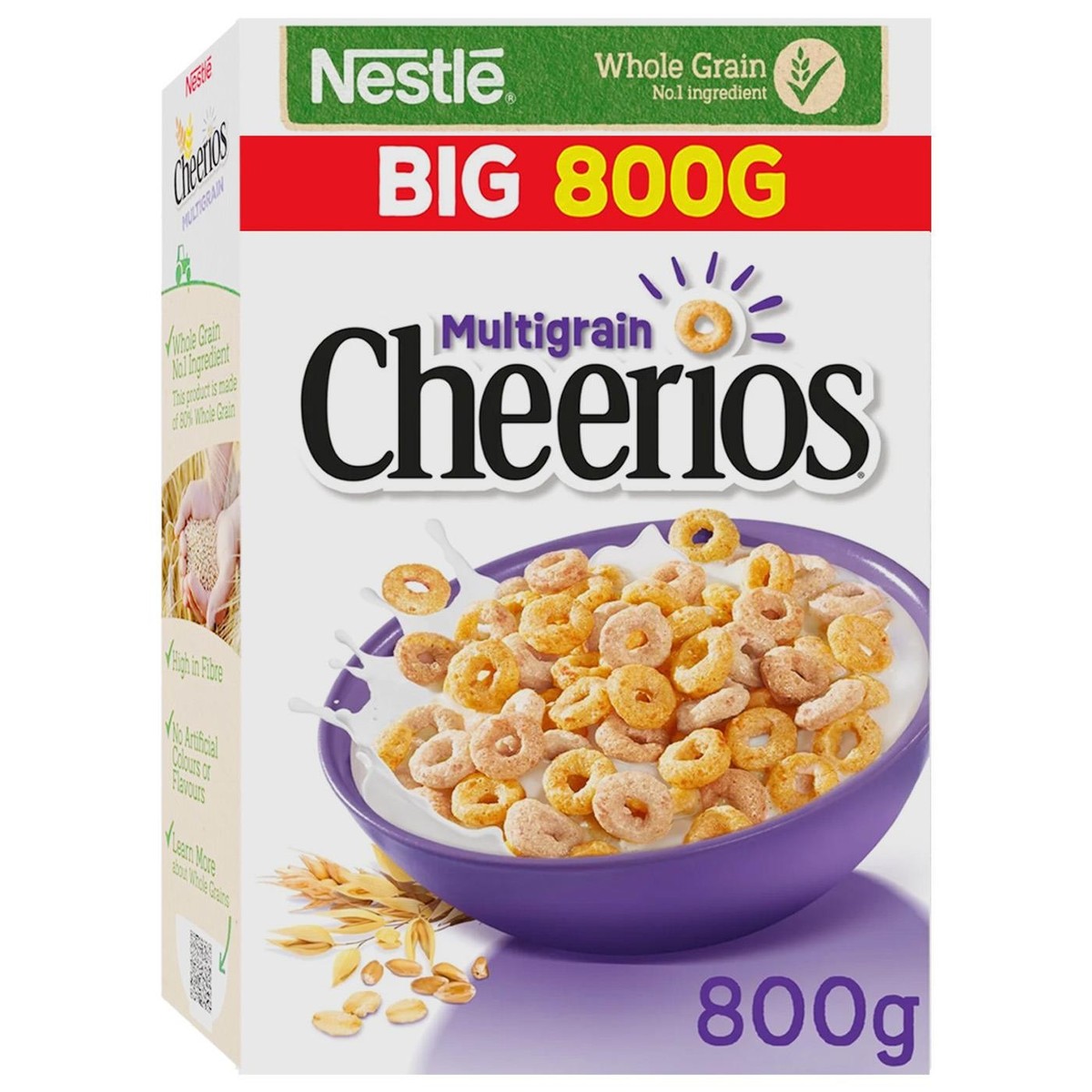
This product contains beneficial whole grains like oat, wheat, and barley flours, which provide essential nutrients and fiber. However, the presence of refined sugar and sunflower oil, a seed oil high in omega-6 fatty acids, detracts from its healthiness. The product is moderately processed, which limits its score despite the inclusion of some vitamins and minerals.
Key ingredients 21
Whole grain oat flourVery Good
Whole grain oat flour is a rich source of dietary fiber and essential nutrients. It supports heart health and aids in digestion. The minimal processing retains most of its nutritional value.
Benefits
Rich in beta-glucan, which can help lower cholesterol levels and improve heart health.
Whole grain wheat flourGood
Whole grain wheat flour provides essential nutrients and fiber. It supports digestive health and provides sustained energy. The whole grain form retains the bran and germ, offering more nutrients than refined flour.
Risks
May cause allergic reactions in individuals with wheat allergies or gluten intolerance.
Benefits
Provides fiber, vitamins, and minerals that support overall health.
Whole grain barley flourGood
Whole grain barley flour is high in fiber and beneficial nutrients. It aids in digestion and helps maintain healthy blood sugar levels. The whole grain form ensures a higher nutrient content compared to refined barley.
Risks
May cause allergic reactions in individuals sensitive to barley.
Benefits
Contains beta-glucans that support heart health and improve cholesterol levels.
Antioxidant: tocopherolsGood
Tocopherols are natural antioxidants that help preserve food quality. They are a form of vitamin E, which supports immune function and skin health. The antioxidant properties help prevent oxidative damage in the body.
Benefits
Supports immune function and protects cells from oxidative damage.
IronGood
Iron is an essential mineral that supports oxygen transport in the blood. It is crucial for energy production and immune function. Fortification helps prevent iron deficiency anemia.
Risks
Excessive intake may lead to iron overload and associated health issues.
Benefits
Supports red blood cell production and prevents anemia.
Vitamin CGood
Vitamin C is an essential nutrient that supports immune health and collagen production. It acts as an antioxidant, protecting cells from damage. Fortification ensures adequate intake to prevent deficiencies.
Risks
Excessive intake may cause gastrointestinal discomfort.
Benefits
Boosts immune function and enhances iron absorption.
Vitamin B3Good
Vitamin B3, or niacin, is important for energy metabolism and skin health. It helps convert food into energy and supports nervous system function. Fortification helps prevent niacin deficiency.
Risks
High doses may cause skin flushing and liver damage.
Benefits
Supports energy production and maintains healthy skin.
Vitamin B5Good
Vitamin B5, or pantothenic acid, is essential for synthesizing coenzyme A. It plays a role in energy metabolism and hormone production. Fortification ensures adequate intake to support metabolic functions.
Benefits
Supports energy metabolism and hormone synthesis.
Vitamin B9Good
Vitamin B9, or folic acid, is crucial for DNA synthesis and cell division. It is especially important during pregnancy for fetal development. Fortification helps prevent neural tube defects.
Risks
Excessive intake may mask vitamin B12 deficiency symptoms.
Benefits
Supports cell growth and prevents birth defects.
Vitamin DGood
Vitamin D is essential for calcium absorption and bone health. It supports immune function and reduces inflammation. Fortification helps prevent deficiencies, especially in regions with limited sunlight.
Risks
Excessive intake may lead to hypercalcemia and associated health issues.
Benefits
Supports bone health and immune function.
Vitamin B6Good
Vitamin B6 is important for protein metabolism and cognitive development. It supports neurotransmitter synthesis and immune function. Fortification helps maintain adequate levels for overall health.
Risks
High doses may cause nerve damage.
Benefits
Supports brain health and immune function.
Vitamin B2Good
Vitamin B2, or riboflavin, is essential for energy production and cellular function. It helps convert food into energy and supports skin health. Fortification ensures adequate intake to prevent deficiencies.
Benefits
Supports energy metabolism and maintains healthy skin.
Fortified wheat flourNeutral
Fortified wheat flour is enriched with vitamins and minerals to improve nutritional value. It provides essential nutrients but lacks the fiber of whole grain flour. The fortification process aims to address nutrient deficiencies.
Risks
May cause allergic reactions in individuals with wheat allergies or gluten intolerance.
Benefits
Provides added vitamins and minerals that can help prevent deficiencies.
Invert sugar syrupNeutral
Invert sugar syrup is a sweetener made from sugar and water. It provides quick energy but lacks nutritional benefits. The processing involves breaking down sucrose into glucose and fructose.
Risks
Excessive consumption may contribute to weight gain and metabolic issues.
Benefits
Provides a quick source of energy.
Calcium carbonateNeutral
Standard formulation ingredient — neither beneficial nor harmful at typical use.
Risks
Excessive intake may lead to hypercalcemia or kidney stones.
Benefits
Supports bone health and helps maintain strong teeth.
MolassesNeutral
Standard formulation ingredient — neither beneficial nor harmful at typical use.
Risks
Excessive consumption may contribute to weight gain and dental issues.
Benefits
Contains minerals like iron and calcium, offering more nutritional value than refined sugar.
SaltNeutral
Salt is used to enhance flavor and preserve food. It is essential for maintaining fluid balance and nerve function. The refined form lacks trace minerals found in unrefined salts.
Risks
Excessive intake can lead to high blood pressure and cardiovascular issues.
Benefits
Essential for maintaining electrolyte balance and proper muscle function.
Caramelised sugar syrupNeutral
Caramelised sugar syrup is used for flavor and color in foods. It provides sweetness but lacks nutritional benefits. The caramelization process involves heating sugar, which can create flavor compounds.
Risks
Excessive consumption may contribute to weight gain and metabolic issues.
Benefits
Provides flavor and color to foods.
Colours: carotene, annatto norbixinNeutral
Carotene and annatto norbixin are natural colorants used to enhance the appearance of foods. They are derived from natural sources and are generally considered safe. These colorants do not provide significant nutritional benefits.
Benefits
Enhance the visual appeal of foods without synthetic additives.
SugarBad
Refined sugar contributes to increased calorie intake without providing essential nutrients. It can lead to weight gain and increased risk of chronic diseases. Excessive consumption is linked to metabolic disorders.
Risks
High intake may lead to obesity, type 2 diabetes, and dental cavities.
Sunflower oilVery Bad
Sunflower oil is a seed oil high in omega-6 fatty acids, which can promote inflammation. It is often highly processed, reducing its nutritional value. The high omega-6 content can disrupt the omega-3 to omega-6 balance in the diet.
Risks
High omega-6 content may promote inflammation when consumed in excess.
Processing
Processed Foods
Get the full breakdown in the Scout appTake Scout shopping
Scan any product to see lab results, healthy alternatives, and your personalized analysis.
Download on theApp Store GET IT ONGoogle PlayAmazon pricing & content
Amazon price as of . Product prices and availability are accurate as of the date/time indicated and are subject to change. Any price and availability information displayed on Amazon.com at the time of purchase will apply to the purchase of this product.
CERTAIN CONTENT THAT APPEARS ON THIS SITE COMES FROM AMAZON. THIS CONTENT IS PROVIDED “AS IS” AND IS SUBJECT TO CHANGE OR REMOVAL AT ANY TIME.