
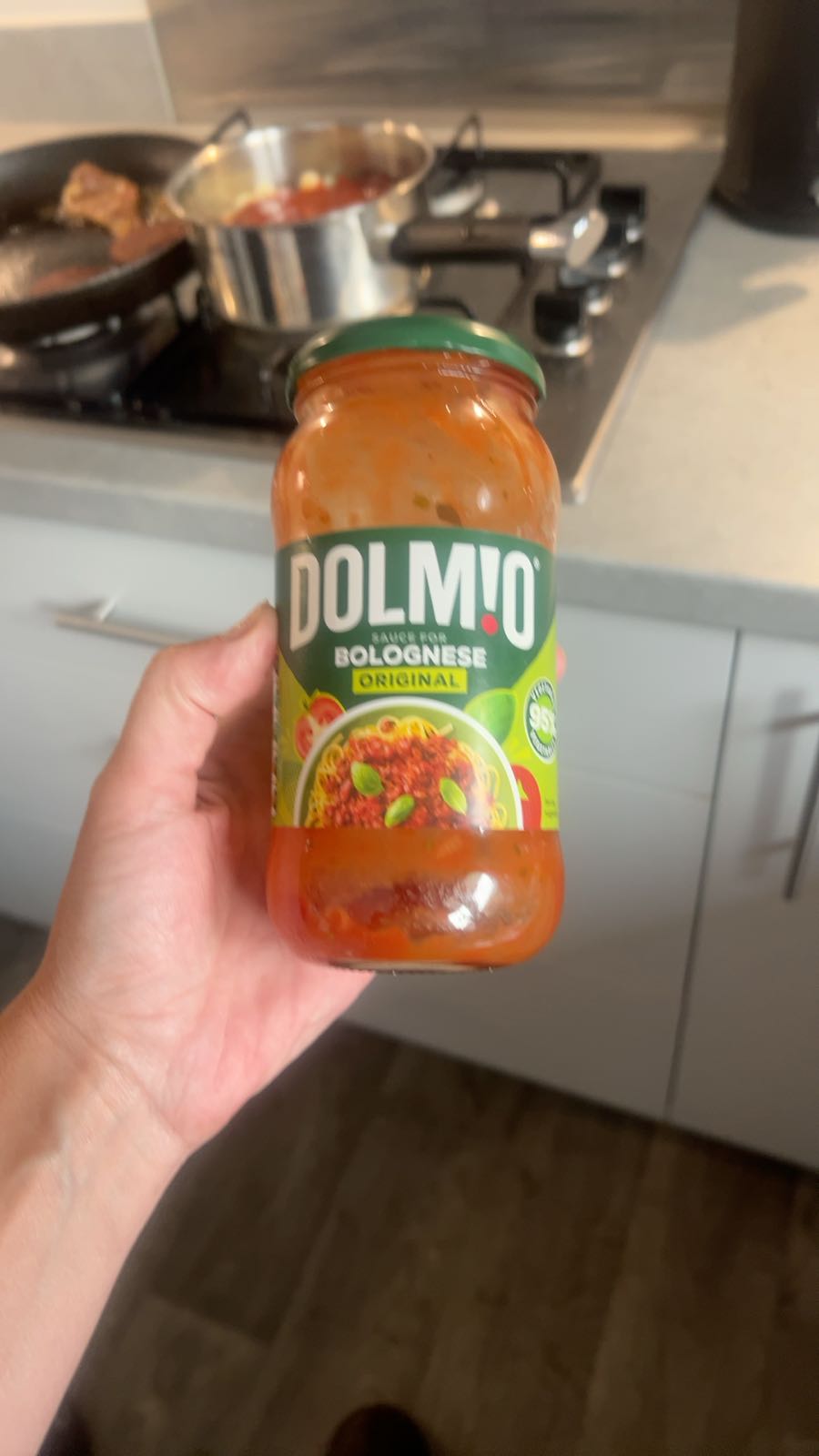


Dolmio Bolognese Low Fat Pasta Sauce - 500g (1.1lbs)
Analysis updated August 2026 · How Scout scores
At a glance
Summary
This pasta sauce contains beneficial ingredients like tomatoes, onion, and herbs, which contribute to its nutritional value and flavor. However, the presence of added sugar and the use of modified maize starch indicate a moderate level of processing. While the ingredient list is relatively clean, the processing level and inclusion of sugar prevent it from achieving a higher score.
Key ingredients 12
TomatoesVery Good
Tomatoes are a rich source of vitamins A and C and antioxidants like lycopene. They are minimally processed and retain most of their nutritional value. Lycopene has been linked to reduced risk of heart disease and cancer.
Benefits
Rich in antioxidants and vitamins that support immune function and reduce inflammation.
Tomato PasteGood
Tomato paste is concentrated tomatoes, providing a dense source of nutrients like lycopene. It is a processed form but retains the beneficial compounds of tomatoes. The concentration process enhances the bioavailability of lycopene.
Benefits
Provides concentrated antioxidants and vitamins, supporting heart health and reducing oxidative stress.
OnionGood
Onions are a natural source of vitamins, minerals, and antioxidants. They are minimally processed and contribute to flavor and nutritional value. Onions contain quercetin, which has anti-inflammatory properties.
Benefits
Contains antioxidants that support heart health and have anti-inflammatory effects.
BasilGood
Basil is a fresh herb that adds flavor and contains essential oils with antioxidant properties. It is minimally processed and retains its nutritional benefits. Basil may support digestion and reduce inflammation.
Benefits
Contains antioxidants and essential oils that may support health and reduce inflammation.
GarlicGood
Garlic is known for its health benefits, including antimicrobial and cardiovascular support. It is minimally processed and retains its beneficial compounds. Allicin, a compound in garlic, is linked to reduced blood pressure and cholesterol levels.
Benefits
Supports cardiovascular health and has antimicrobial properties.
ParsleyGood
Parsley is a fresh herb rich in vitamins A, C, and K and antioxidants. It is minimally processed and enhances flavor and nutrition. Parsley may support bone health and immune function.
Benefits
Rich in vitamins and antioxidants that support overall health.
SpicesGood
Spices add flavor and may contain beneficial phytochemicals. They are minimally processed and can enhance the nutritional profile of foods. Spices like turmeric and cinnamon have anti-inflammatory properties.
Benefits
Contain phytochemicals that may support health and reduce inflammation.
Modified Maize StarchNeutral
Modified maize starch is used as a thickening agent and is derived from corn. It undergoes processing to alter its properties for culinary use. It provides no significant nutritional benefits but is generally considered safe.
Risks
Excessive consumption may lead to digestive issues in sensitive individuals.
SaltNeutral
Salt is used for flavor enhancement and preservation. It is a refined product and lacks the trace minerals found in unrefined salts. While necessary for bodily functions, excessive intake can lead to health issues.
Risks
High sodium intake can contribute to hypertension and cardiovascular disease.
Benefits
Essential for maintaining fluid balance and nerve function.
Acidity Regulator (Citric Acid)Neutral
Citric acid is used to regulate acidity and preserve freshness. It is a naturally occurring compound found in citrus fruits. While it is generally safe, it provides no significant nutritional benefits.
Risks
Excessive consumption may cause digestive discomfort in sensitive individuals.
HerbNeutral
Herbs are used for flavor and may contain beneficial compounds. The specific type of herb is not identified, limiting detailed analysis. Generally, herbs are minimally processed and can provide antioxidants.
Benefits
May contain antioxidants and enhance flavor.
SugarBad
Sugar is a refined carbohydrate that provides quick energy but lacks nutritional value. It is associated with increased risk of obesity, diabetes, and dental issues. Excessive consumption can lead to metabolic disorders.
Risks
High intake is linked to obesity, type 2 diabetes, and dental cavities.
Processing
Processed Foods
Get the full breakdown in the Scout appTake Scout shopping
Scan any product to see lab results, healthy alternatives, and your personalized analysis.
Download on theApp Store GET IT ONGoogle Play