



At a glance
Summary
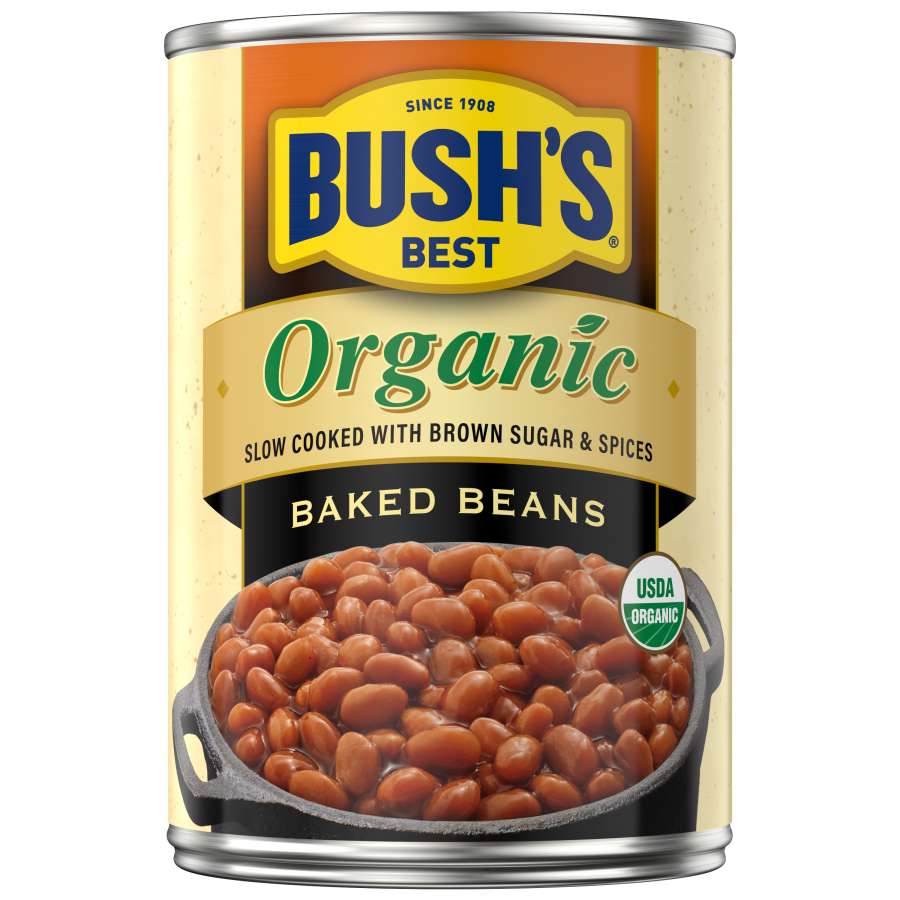
This product contains a variety of minimally processed ingredients such as white beans, tomatoes, and olive oil, which contribute beneficial nutrients like fiber, vitamins, and healthy fats. However, the presence of brown sugar, a refined sweetener, slightly detracts from its nutritional profile. Despite being processed, the ingredient list is relatively clean, with no artificial additives or seed oils, allowing for a favorable score within its category.
Key ingredients 13
Olive oilVery Good
Olive oil is a high-quality monounsaturated fat with anti-inflammatory properties. It contains antioxidants that support heart health and is often cold-pressed to preserve beneficial compounds. Compared to seed oils, it offers a healthier fat profile.
Benefits
Rich in monounsaturated fats that support heart health and provide anti-inflammatory properties. Contains antioxidants like vitamin E and polyphenols that may reduce oxidative stress.
Queen white beansGood
Queen white beans are a good source of plant-based protein and fiber, supporting digestive health. They are minimally processed and provide essential nutrients like iron and folate. Compared to animal proteins, they offer a sustainable protein source with lower environmental impact.
Benefits
Rich in protein and fiber, promoting satiety and digestive health. Contains essential nutrients like iron and folate, beneficial for overall health.
TomatoGood
Tomatoes are rich in vitamins C and K, potassium, and antioxidants like lycopene. They are minimally processed and contribute to heart health and reduced cancer risk. The natural sugars in tomatoes are balanced by their nutrient content.
Benefits
Provides antioxidants like lycopene, which may reduce the risk of heart disease and cancer. Rich in vitamins and minerals that support overall health.
OnionGood
Onions are a source of vitamins, minerals, and antioxidants, supporting immune function and reducing inflammation. They are minimally processed and add flavor without the need for artificial additives. Onions contain quercetin, which has anti-inflammatory properties.
Benefits
Rich in antioxidants and compounds like quercetin, which may reduce inflammation and support immune health.
CarrotGood
Carrots are high in beta-carotene, fiber, and antioxidants, promoting eye health and reducing the risk of chronic diseases. They are minimally processed and provide natural sweetness. The fiber content supports digestive health.
Benefits
High in beta-carotene, which is converted to vitamin A, supporting vision and immune function. Provides fiber and antioxidants beneficial for overall health.
CeleryGood
Celery is low in calories and high in water content, providing hydration and essential nutrients like vitamin K. It is minimally processed and adds flavor and texture to dishes. Celery contains antioxidants that may reduce inflammation.
Benefits
Provides hydration and essential nutrients like vitamin K. Contains antioxidants that may help reduce inflammation.
Apple cider vinegarGood
Beneficial ingredient — whole-food or functional value in this product class.
Risks
Excessive consumption may lead to digestive discomfort or tooth enamel erosion.
Benefits
May aid digestion and provide antimicrobial properties due to acetic acid content.
Garlic powderGood
Concentrated whole-food seasoning.
Benefits
May support immune function and provide flavor, though used in small amounts.
Black pepperGood
Beneficial ingredient — whole-food or functional value in this product class.
Benefits
May enhance nutrient absorption and provides flavor, though used in small amounts.
SaltNeutral
Salt is used to enhance flavor and preserve food, providing essential sodium for bodily functions. It is a refined ingredient without the trace minerals found in unrefined salts. Excessive consumption can lead to high blood pressure.
Risks
Excessive salt intake can lead to high blood pressure and cardiovascular issues.
Benefits
Provides essential sodium necessary for various bodily functions.
TamarindNeutral
Tamarind is used for its tangy flavor and contains some vitamins and minerals. It is minimally processed and adds a unique taste to dishes. However, it is typically used in small amounts, limiting its nutritional impact.
Benefits
Adds flavor and contains some vitamins and minerals, though typically used in small amounts.
Sweet paprikaNeutral
Sweet paprika is used for its flavor and color, containing some antioxidants like carotenoids. It is minimally processed and adds a mild spice to dishes. Its nutritional impact is limited due to the small quantities used.
Benefits
Provides flavor and color, with some antioxidants like carotenoids.
Brown sugarBad
Brown sugar is a refined sugar that can contribute to increased blood sugar levels and caloric intake. It is processed and lacks significant nutritional benefits compared to whole food sweeteners. Excessive consumption can lead to health issues like obesity and diabetes.
Risks
High sugar intake can lead to obesity, diabetes, and other metabolic disorders.
Benefits
Provides sweetness and flavor, but lacks significant nutritional benefits.
Processing
Processed Foods
Get the full breakdown in the Scout appTake Scout shopping
Scan any product to see lab results, healthy alternatives, and your personalized analysis.
Download on theApp Store GET IT ONGoogle Play