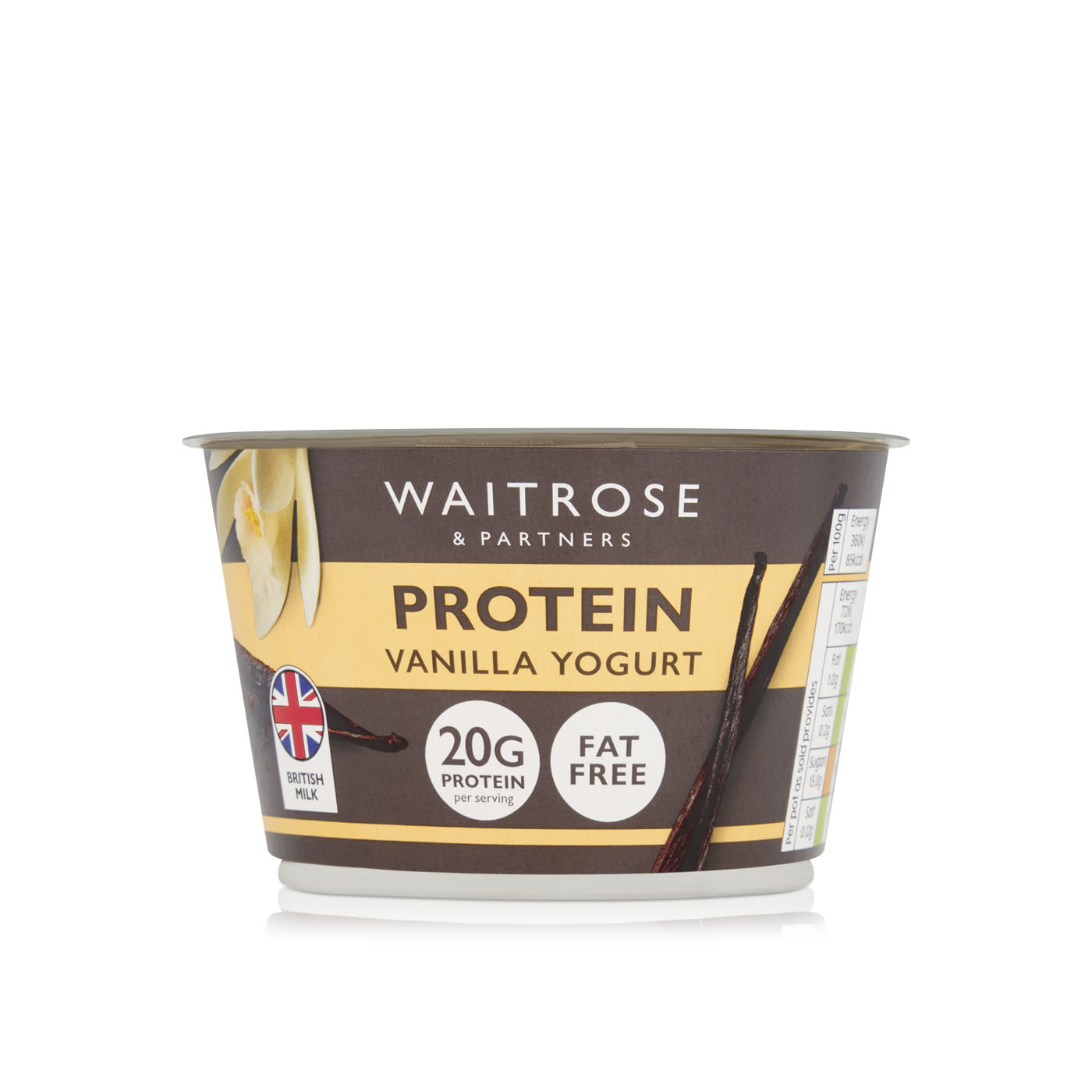
High Protein Vanilla Yogurt
At a glance
Summary
This yogurt contains beneficial ingredients like strained yogurt and granola, which provide protein, fiber, and healthy fats. However, the presence of added sugars, glucose syrup, and rapeseed oil significantly reduces its nutritional quality. The product is moderately processed, which further impacts its overall healthiness.
Key ingredients 18
Strained yogurtGood
Strained yogurt is a high-protein dairy product that supports muscle maintenance and growth. It is minimally processed and retains beneficial probiotics that aid digestion. The fermentation process enhances nutrient absorption and gut health.
Benefits
Rich in protein and probiotics, supporting muscle health and digestive function.
GranolaGood
Granola is a mixture of oats, seeds, and sweeteners that adds texture and nutritional value. It provides fiber, healthy fats, and some protein. The combination of ingredients supports digestive health and provides sustained energy.
Risks
May contain added sugars and fats, increasing calorie content.
Benefits
Rich in fiber and healthy fats, supporting digestive health and energy levels.
OatsGood
Oats are a whole grain rich in fiber, particularly beta-glucan, which supports heart health. They are minimally processed and provide sustained energy. Oats also contain essential vitamins and minerals.
Benefits
Supports heart health and provides sustained energy due to high fiber content.
Pumpkin seedsGood
Pumpkin seeds are a nutrient-dense food rich in healthy fats, protein, and minerals like magnesium and zinc. They are minimally processed and support heart and immune health. Their high antioxidant content provides additional health benefits.
Benefits
Rich in healthy fats, protein, and antioxidants, supporting heart and immune health.
Sunflower seedsGood
Sunflower seeds are a good source of healthy fats, protein, and vitamin E. They are minimally processed and support cardiovascular health. Their antioxidant properties help reduce inflammation.
Benefits
Supports cardiovascular health and provides antioxidants that reduce inflammation.
Barley flakesGood
Barley flakes are a whole grain rich in fiber and essential nutrients. They support digestive health and provide sustained energy. The minimal processing retains their nutritional benefits.
Benefits
Rich in fiber and nutrients, supporting digestive health and energy levels.
WaterNeutral
Water is used as a solvent and to adjust the consistency of the yogurt. It is a neutral ingredient with no direct nutritional impact. It helps in achieving the desired texture of the product.
See more about Water →Maize starchNeutral
Maize starch is used as a thickening agent to improve the texture of the yogurt. It is a processed carbohydrate with minimal nutritional value. It helps stabilize the product without significantly altering its nutritional profile.
See more about Maize starch →Sweetened condensed skimmed milkNeutral
Sweetened condensed skimmed milk is a dairy product with added sugar, used for flavor and texture. It provides some protein and calcium but is high in sugar. The processing reduces its overall nutritional value compared to whole milk.
Risks
High sugar content may contribute to metabolic issues if consumed in excess.
Benefits
Provides calcium and protein, supporting bone health.
FlavouringsNeutral
Flavourings are added to enhance the taste of the yogurt. They are typically synthetic or natural extracts with no nutritional value. The specific impact depends on the type and quantity used.
Risks
Potential for allergic reactions or sensitivities in some individuals.
Benefits
Improves taste and consumer appeal.
Acidity regulator (citric acid)Neutral
Citric acid is used to regulate acidity and preserve the freshness of the yogurt. It is a naturally occurring compound found in citrus fruits. It helps maintain the product's stability and shelf life.
Benefits
Helps preserve freshness and stability of the product.
HoneyNeutral
Honey is a natural sweetener with some antioxidant properties. It is less processed than refined sugars but still contributes to sugar intake. Its natural origin provides minor health benefits compared to refined sugars.
Risks
High sugar content may contribute to metabolic issues if consumed in excess.
Benefits
Contains antioxidants and is less processed than refined sugars.
Puffed riceNeutral
Puffed rice is a processed grain used for texture and volume. It is low in nutrients and primarily provides carbohydrates. The processing reduces its nutritional value compared to whole grains.
Benefits
Provides texture and volume but lacks significant nutritional benefits.
Date syrupNeutral
Date syrup is a natural sweetener derived from dates, providing some vitamins and minerals. It is less processed than refined sugars but still contributes to sugar intake. Its natural origin offers minor health benefits compared to refined sugars.
Risks
High sugar content may contribute to metabolic issues if consumed in excess.
Benefits
Contains some vitamins and minerals, offering minor health benefits.
AcaciaNeutral
Acacia is a natural gum used as a stabilizer and thickener. It is minimally processed and has no significant nutritional impact. It helps improve the texture and stability of the product.
Benefits
Improves texture and stability of the product.
SugarBad
Sugar is a refined carbohydrate that can contribute to increased calorie intake and potential weight gain. It is associated with a higher risk of metabolic disorders when consumed in excess. The presence of added sugar reduces the overall nutritional quality of the product.
Risks
Excessive consumption may lead to obesity, diabetes, and other metabolic issues.
Benefits
Provides quick energy but lacks essential nutrients.
Glucose syrupBad
Glucose syrup is a highly processed sweetener that can contribute to excessive sugar intake. It is often used to enhance sweetness and texture but offers no nutritional benefits. High consumption may lead to health issues similar to those associated with sugar.
Risks
May contribute to obesity, insulin resistance, and other metabolic disorders.
Benefits
Provides sweetness and texture but lacks essential nutrients.
Rapeseed oilVery Bad
Rapeseed oil is a seed oil high in omega-6 fatty acids, which can promote inflammation when consumed in excess. It is highly processed and often refined, reducing its nutritional quality. The high omega-6 content is a concern for balanced fatty acid intake.
Risks
High omega-6 content may promote inflammation when consumed in excess.
Processing
Processed Foods
Get the full breakdown in the Scout appTake Scout shopping
Scan any product to see lab results, healthy alternatives, and your personalized analysis.
Are you Waitrose? Fix an error Get the badge Get tested