
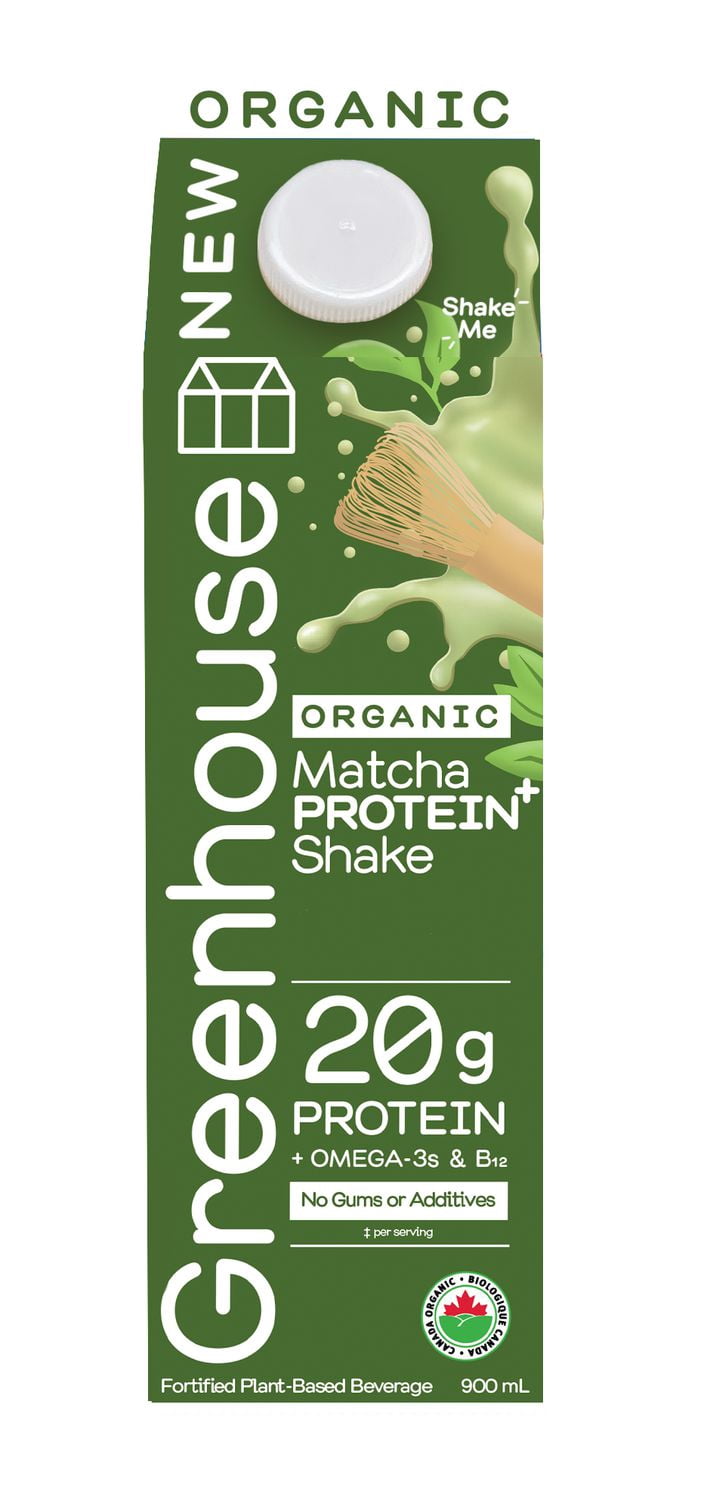


Greenhouse Juice Co. Greenhouse Organic Matcha Protein+ Shake, Ready-To-Drink
Analysis updated July 2026 · How Scout scores
At a glance
Summary
This protein shake contains a variety of beneficial ingredients such as almonds, pea protein, and matcha, which contribute to its nutritional value. However, the presence of cane sugar, a refined sugar, introduces added sugars that can impact health negatively if consumed in excess. The product is processed, which limits its score, but the overall ingredient quality remains high with minimal additives and no artificial sweeteners or harmful preservatives.
Key ingredients 18
AlmondsVery Good
Almonds are a nutrient-dense food rich in healthy fats, protein, and vitamins. They are minimally processed and provide a good source of vitamin E and magnesium. Their inclusion supports heart health and provides antioxidant benefits.
Risks
Potential allergen for individuals with nut allergies.
Benefits
Rich in monounsaturated fats that support heart health and provide anti-inflammatory properties.
MatchaVery Good
Matcha is a type of green tea rich in antioxidants, particularly catechins. It is minimally processed and provides a concentrated source of nutrients. It supports metabolism and provides a calm energy boost.
Risks
Contains caffeine, which may affect sensitive individuals.
Benefits
High in antioxidants that support cellular health and metabolism.
Rice ProteinGood
Rice protein is a plant-based protein that is hypoallergenic and easily digestible. It is processed to isolate the protein content, providing a good source of amino acids. It complements pea protein to provide a complete protein profile.
Benefits
Supports muscle growth and repair with a balanced amino acid profile.
Gluten-Free OatsGood
Gluten-free oats are a whole grain source of fiber and essential nutrients. They are minimally processed to remove gluten, making them suitable for those with gluten sensitivities. They support digestive health and provide sustained energy.
Benefits
Rich in beta-glucan fiber, which supports heart health and digestion.
CalciumGood
Calcium is an essential mineral important for bone health and muscle function. It is often added to foods to enhance nutritional value. Adequate intake supports bone density and reduces the risk of osteoporosis.
Risks
Excessive intake may lead to kidney stones or impaired absorption of other minerals.
Benefits
Supports strong bones and teeth and is crucial for nerve signaling.
ZincGood
Zinc is an essential trace mineral that supports immune function and wound healing. It is added to foods to ensure adequate intake. It plays a role in DNA synthesis and cell division.
Risks
Excessive intake can lead to nausea and interfere with copper absorption.
Benefits
Supports immune health and is vital for enzyme function.
Vitamin AGood
Vitamin A is a fat-soluble vitamin important for vision and immune function. It is added to enhance the nutritional profile of foods. Adequate intake supports eye health and reduces the risk of night blindness.
Risks
Excessive intake can lead to toxicity, causing liver damage and other health issues.
Benefits
Essential for maintaining healthy vision and immune function.
Vitamin B12Good
Vitamin B12 is essential for nerve function and the production of DNA and red blood cells. It is often added to plant-based foods to prevent deficiency. It supports energy metabolism and neurological health.
Benefits
Crucial for energy production and maintaining healthy nerve cells.
RiboflavinGood
Riboflavin, or vitamin B2, is important for energy production and cellular function. It is added to foods to ensure adequate intake. It supports the metabolism of fats, drugs, and steroids.
Benefits
Supports energy production and acts as an antioxidant.
Vitamin D2Good
Vitamin D2 is a form of vitamin D important for calcium absorption and bone health. It is added to foods to prevent deficiency, especially in plant-based diets. It supports immune function and bone density.
Risks
Excessive intake can lead to hypercalcemia and associated health issues.
Benefits
Enhances calcium absorption and supports bone health.
Ahiflower OilGood
Ahiflower oil is a plant-based source of omega-3 and omega-6 fatty acids. It is minimally processed and provides a sustainable alternative to fish oil. It supports heart health and reduces inflammation.
Benefits
Rich in omega fatty acids that support cardiovascular health.
Jerusalem Artichoke InulinGood
Inulin from Jerusalem artichoke is a prebiotic fiber that supports gut health. It is minimally processed and enhances the growth of beneficial gut bacteria. It aids in digestion and improves mineral absorption.
Risks
Excessive intake may cause digestive discomfort in some individuals.
Benefits
Promotes healthy digestion and supports a balanced gut microbiome.
Vanilla ExtractGood
Beneficial ingredient — whole-food or functional value in this product class.
Benefits
Adds flavor without significant nutritional impact.
Himalayan SaltGood
Beneficial ingredient — whole-food or functional value in this product class.
Risks
Excessive intake may contribute to high blood pressure.
Benefits
Contains trace minerals but offers no significant health benefits over regular salt.
Filtered WaterNeutral
Filtered water is used as a base for many beverages and is essential for hydration. It undergoes filtration to remove impurities, ensuring safety and quality. No significant nutritional benefits identified for this ingredient.
See more about Filtered Water →Pea ProteinNeutral
Standard formulation ingredient — neither beneficial nor harmful at typical use.
Benefits
Provides a complete amino acid profile and supports muscle growth and repair.
Stevia Leaf ExtractNeutral
Stevia leaf extract is a natural sweetener with zero calories. It is processed to extract sweet compounds, providing sweetness without affecting blood sugar levels. It is a healthier alternative to artificial sweeteners.
Benefits
Provides sweetness without calories or glycemic impact.
Cane SugarBad
Cane sugar is a refined sugar that contributes to added sugars in the diet. It is processed to remove impurities, resulting in a high glycemic index. Excessive consumption can lead to health issues such as obesity and diabetes.
Risks
High intake may contribute to weight gain and increased risk of metabolic diseases.
Benefits
Provides quick energy but lacks significant nutritional benefits.
Processing
Processed Foods
Get the full breakdown in the Scout appTake Scout shopping
Scan any product to see lab results, healthy alternatives, and your personalized analysis.
Download on theApp Store GET IT ONGoogle Play