


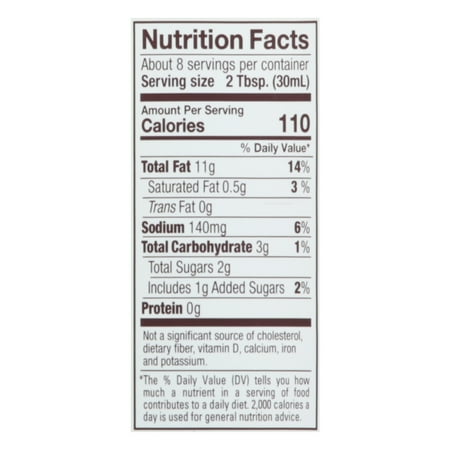


Greek Style Vinaigrette
SproutsAnalysis updated September 2026 · How Scout scores
At a glance
Summary
This Greek Style Vinaigrette contains beneficial ingredients like extra virgin olive oil and red wine vinegar, which offer heart health benefits and antioxidants. However, the presence of canola oil, a highly processed seed oil, and propylene glycol alginate, a synthetic stabilizer, detracts from its overall healthiness. The product is also classified as ultra-processed, which limits its potential score despite some high-quality components.
Key ingredients 12
Extra virgin olive oilVery Good
High-quality monounsaturated fat with anti-inflammatory properties. Contains antioxidants that support heart health. Cold-pressed extraction preserves beneficial compounds.
Benefits
Rich in monounsaturated fats that support heart health and provide anti-inflammatory properties. Contains antioxidants like vitamin E and polyphenols that may reduce oxidative stress.
Red wine vinegarGood
Red wine vinegar is a fermented product that contains acetic acid, which may aid digestion and improve nutrient absorption. It is made from red wine, providing some antioxidants. The fermentation process enhances its probiotic content, supporting gut health.
Benefits
Contains acetic acid which may help with digestion and nutrient absorption. Provides antioxidants from red wine that can support overall health.
SpicesGood
Whole-food seasonings, antioxidant-bearing.
Benefits
May provide antioxidants and anti-inflammatory compounds depending on the specific spices used.
Garlic powderGood
Garlic powder is made from dehydrated garlic and retains many of the health benefits of fresh garlic. It contains compounds like allicin, which have antimicrobial and cardiovascular benefits. The dehydration process preserves its beneficial compounds.
Benefits
Contains allicin, which has antimicrobial and cardiovascular benefits. Provides flavor and health benefits similar to fresh garlic.
SaltNeutral
Salt is a common seasoning used to enhance flavor in foods. It is a source of sodium, an essential mineral for maintaining fluid balance and nerve function. However, excessive intake can lead to health issues such as hypertension.
Risks
Excessive sodium intake can lead to high blood pressure and other cardiovascular issues.
Benefits
Provides essential sodium needed for fluid balance and nerve function.
Dijon mustardNeutral
Dijon mustard is a condiment made from mustard seeds, vinegar, and spices, providing flavor with minimal calories. It contains turmeric, which has anti-inflammatory properties. The vinegar component may aid digestion.
Benefits
Contains turmeric, which has anti-inflammatory properties. Provides flavor with minimal calories.
Onion powderNeutral
Onion powder is made from dehydrated onions and provides flavor with some nutritional benefits. It contains antioxidants and compounds that may support heart health. The dehydration process retains some of its beneficial compounds.
Benefits
Provides antioxidants and compounds that may support heart health. Offers flavor with minimal calories.
Cultured dextroseNeutral
Cultured dextrose is used as a natural preservative to protect flavor. It is produced through the fermentation of dextrose, a simple sugar. While it helps extend shelf life, it does not provide significant nutritional benefits.
Benefits
Helps preserve flavor and extend shelf life without artificial preservatives.
Guar gumNeutral
Guar gum is a thickening agent derived from guar beans, used to stabilize and thicken products. It is a soluble fiber that can aid digestion and improve texture. However, excessive consumption may cause digestive discomfort.
Risks
Excessive consumption may cause digestive discomfort such as bloating or gas.
Benefits
Acts as a soluble fiber that can aid digestion and improve product texture.
Xanthan gumNeutral
Xanthan gum is a polysaccharide used as a thickening and stabilizing agent in foods. It is produced through the fermentation of sugars by bacteria. While it improves texture, it does not provide significant nutritional benefits.
Risks
Excessive consumption may cause digestive discomfort in sensitive individuals.
Benefits
Improves texture and stability of food products without significant nutritional impact.
Propylene glycol alginateBad
Propylene glycol alginate is a synthetic additive used to stabilize and thicken foods. It is derived from alginic acid and chemically modified, which raises concerns about its processing. While generally recognized as safe, it is a highly processed ingredient.
Risks
Highly processed and chemically modified, which may raise health concerns for some consumers.
Canola oilVery Bad
Canola oil is a seed oil high in omega-6 fatty acids, which can promote inflammation if consumed in excess. It is often highly processed and refined, which may reduce its nutritional value. The extraction process typically involves heat and chemicals, which can degrade beneficial compounds.
Risks
High omega-6 content may promote inflammation when consumed in excess. Processing methods can introduce harmful compounds.
Processing
Ultra-Processed Foods
Get the full breakdown in the Scout appTake Scout shopping
Scan any product to see lab results, healthy alternatives, and your personalized analysis.
Download on theApp Store GET IT ONGoogle Play