



At a glance
Summary
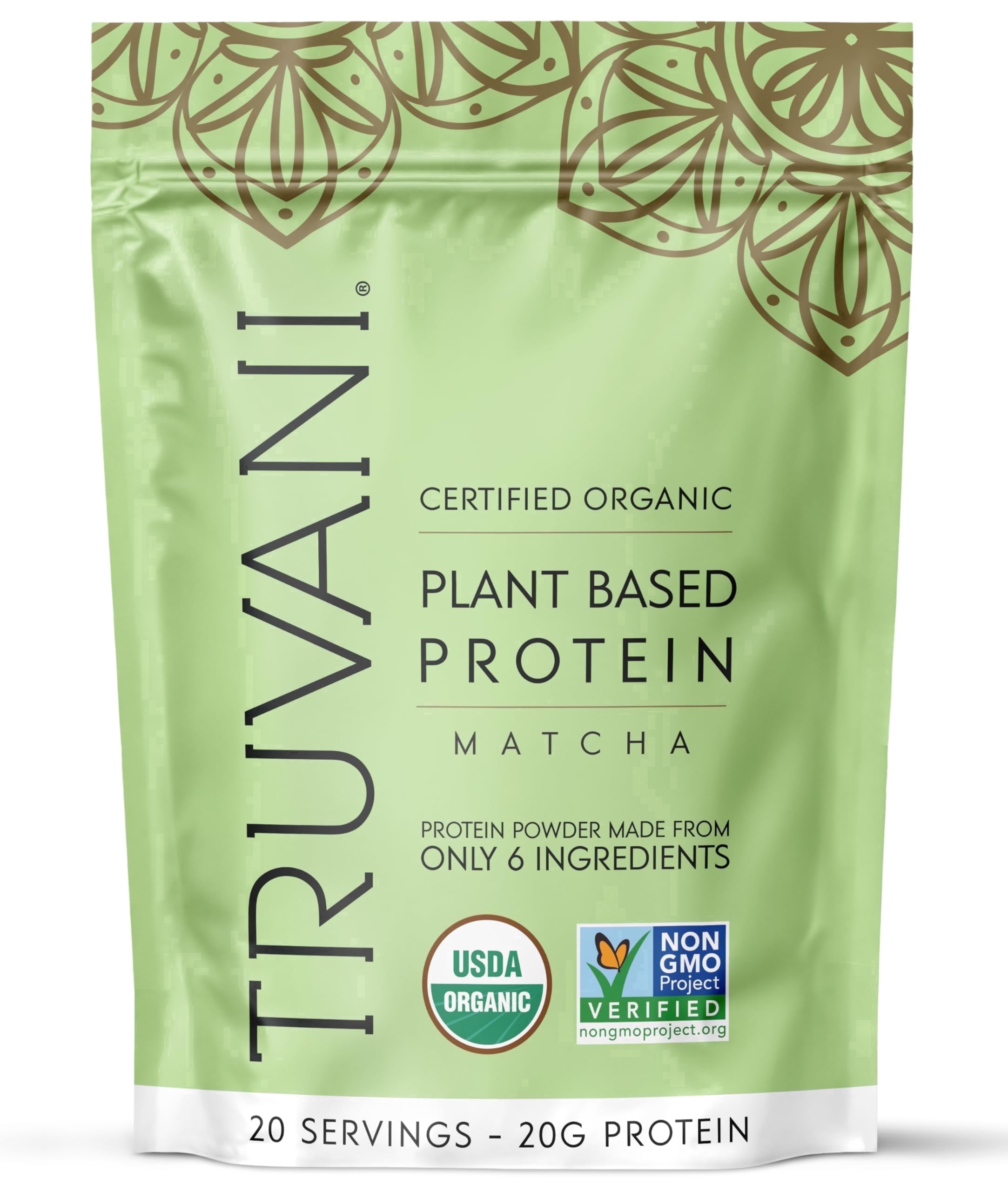
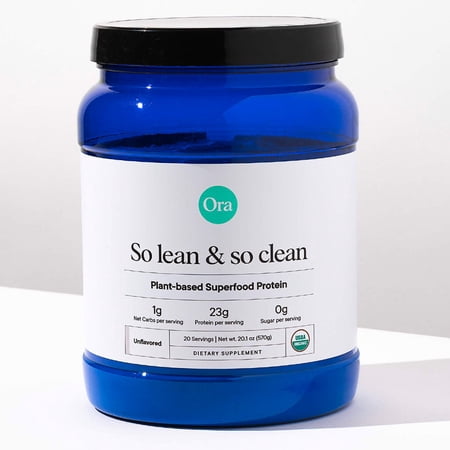
This plant protein powder contains high-quality ingredients like pea protein and brown rice protein, which provide a good amino acid profile and are suitable for those avoiding animal proteins. However, the presence of maltodextrin as a filler and the use of natural flavors and sunflower lecithin as processed additives slightly detract from its overall formulation quality. Despite these concerns, the inclusion of beneficial ingredients like spinach, kale, and broccoli powders adds nutritional value, making it a decent choice among plant-based protein supplements.
Key ingredients 18
Pea Protein ConcentrateGood
Pea protein concentrate is a high-quality plant-based protein source. It provides a good amino acid profile and is easily digestible. It is a suitable alternative for those avoiding animal proteins.
Benefits
Rich in essential amino acids and supports muscle growth and repair.
Brown Rice Protein ConcentrateGood
Brown rice protein concentrate is a plant-based protein source with a good amino acid profile. It is hypoallergenic and suitable for those with dietary restrictions. It is a popular choice for vegan protein supplements.
Benefits
Provides a hypoallergenic protein source with a good amino acid profile.
Spinach PowderGood
Spinach powder is made from dehydrated spinach and retains many of its nutrients. It is rich in vitamins, minerals, and antioxidants. It adds nutritional value to food products.
Benefits
Rich in vitamins, minerals, and antioxidants, supporting overall health.
Monk Fruit ExtractGood
Beneficial ingredient — whole-food or functional value in this product class.
Benefits
Provides a natural, calorie-free sweetening option.
Kale PowderGood
Kale powder is made from dehydrated kale and retains many of its nutrients. It is rich in vitamins, minerals, and antioxidants. It adds nutritional value to food products.
Benefits
Rich in vitamins, minerals, and antioxidants, supporting overall health.
Broccoli PowderGood
Broccoli powder is made from dehydrated broccoli and retains many of its nutrients. It is rich in vitamins, minerals, and antioxidants. It adds nutritional value to food products.
Benefits
Rich in vitamins, minerals, and antioxidants, supporting overall health.
Bacillus Subtilis De111Good
Bacillus subtilis DE111 is a probiotic strain used to support gut health. It is known for its stability and ability to survive harsh conditions in the digestive tract. It is beneficial for maintaining a healthy gut microbiome.
Benefits
Supports gut health and maintains a healthy gut microbiome.
Cocoa Powder Processed With AlkaliNeutral
Cocoa powder processed with alkali, also known as Dutch-processed cocoa, has a milder flavor and darker color. The alkalization process reduces acidity but may decrease some antioxidant properties. It is commonly used for its flavor and color in food products.
Benefits
Provides flavor and color, but antioxidant benefits may be reduced due to processing.
Pea StarchNeutral
Pea starch is used as a thickening agent and stabilizer in food products. It is derived from peas and is a natural ingredient. It does not provide significant nutritional benefits.
Benefits
Acts as a natural thickener and stabilizer in food products.
Gum ArabicNeutral
Gum arabic is a natural gum used as a stabilizer and emulsifier in food products. It is derived from the sap of acacia trees. It is generally recognized as safe and has minimal impact on health.
Benefits
Acts as a natural stabilizer and emulsifier in food products.
Stevia ExtractNeutral
Stevia extract is a natural, zero-calorie sweetener derived from the stevia plant. It is used as a sugar substitute and has no significant health concerns. It is suitable for those looking to reduce sugar intake.
Benefits
Provides a natural, zero-calorie sweetening option.
Silicon DioxideNeutral
Silicon dioxide is used as an anti-caking agent in food products. It prevents clumping and ensures smooth texture. It is generally recognized as safe and has no significant health impacts.
Benefits
Prevents clumping and maintains smooth texture in food products.
Xanthan GumNeutral
Xanthan gum is a polysaccharide used as a thickening and stabilizing agent. It is produced through fermentation and is widely used in food products. It is generally recognized as safe with minimal health impacts.
Benefits
Provides thickening and stabilizing properties in food products.
Enzyme Modified Cocoa ButterNeutral
Enzyme modified cocoa butter is used to enhance the flavor and texture of food products. It is derived from cocoa butter and modified using enzymes. It is generally recognized as safe with no significant health impacts.
Benefits
Enhances flavor and texture in food products.
MaltodextrinBad
Maltodextrin is a highly processed carbohydrate used as a filler and thickener. It has a high glycemic index, which can cause rapid spikes in blood sugar levels. It is often used in processed foods for texture and bulk.
Risks
High glycemic index may lead to rapid blood sugar spikes.
DextroseBad
Refined added sugar.
Risks
Excessive consumption may lead to increased blood sugar levels.
Benefits
Provides quick energy due to its simple sugar structure.
Natural FlavorsBad
Natural flavors are a catch-all term for flavoring agents derived from natural sources. The exact composition is often undisclosed, leading to potential concerns about transparency. They are commonly used to enhance flavor in processed foods.
Risks
Lack of transparency in composition may pose concerns for some consumers.
Sunflower LecithinBad
Sunflower lecithin is used as an emulsifier in food products. While it is derived from sunflower seeds, it is a processed ingredient. It is less concerning than seed oils but still considered a processed additive.
Risks
Processed nature may be a concern for some consumers.
Benefits
Acts as an emulsifier, improving texture and consistency in food products.
Processing
Processed Foods
Get the full breakdown in the Scout appTake Scout shopping
Scan any product to see lab results, healthy alternatives, and your personalized analysis.
Download on theApp Store GET IT ONGoogle Play