
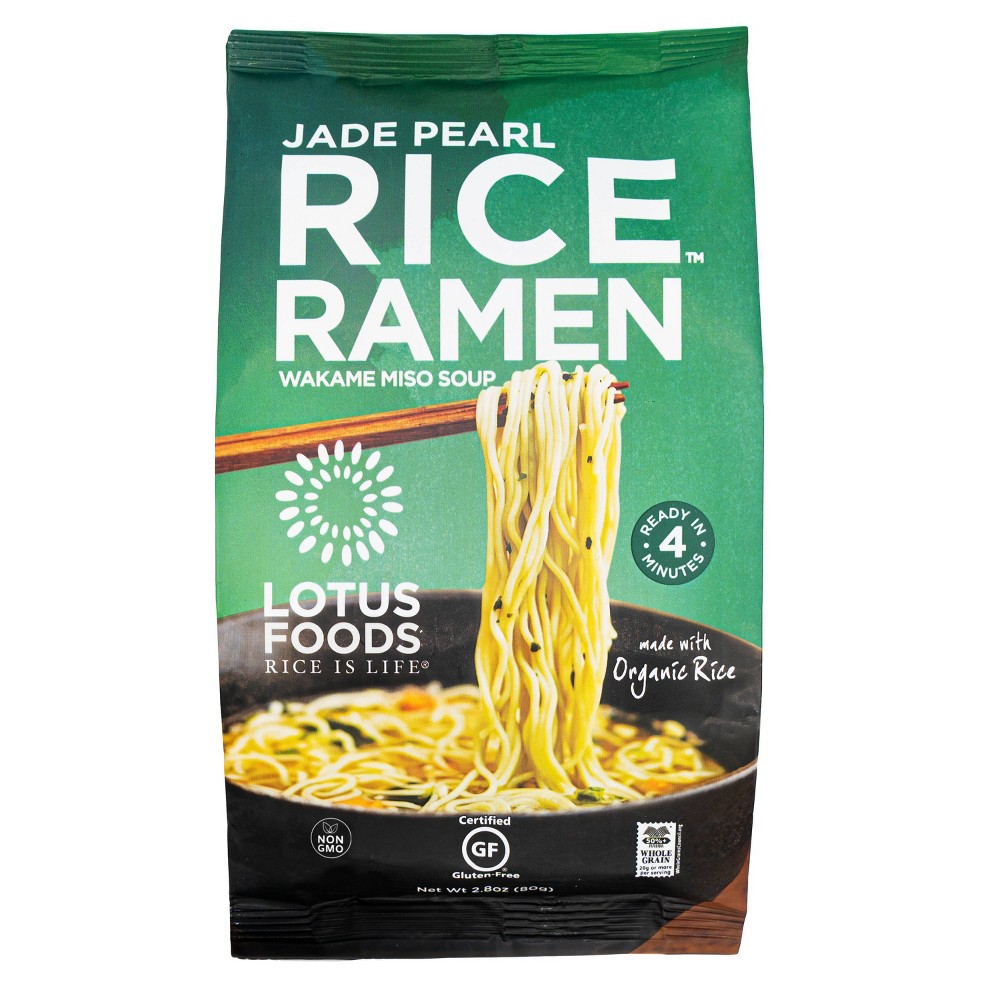


RAMEN WAKAME MISO SOUP
Analysis updated September 2026 · How Scout scores
At a glance
Summary
This ramen soup features several beneficial ingredients such as brown rice flour, white miso powder, and dried wakame seaweed, which contribute to its nutritional value. However, the product is processed, which limits its score potential. The presence of salt and the processed nature of the soup pack ingredients also influence the overall rating, despite the absence of harmful additives or seed oils.
Key ingredients 10
Brown rice flourGood
Brown rice flour is a whole grain flour that retains the bran and germ, providing more fiber and nutrients than refined flours. It is minimally processed and offers a good source of complex carbohydrates. Its use in ramen contributes to a more nutritious product compared to white rice flour.
Benefits
Provides dietary fiber and essential nutrients such as magnesium and B vitamins, supporting digestive health and energy metabolism.
White miso powderGood
White miso powder is a fermented product made from soybeans and rice, offering probiotics that support gut health. It is a traditional ingredient with a rich umami flavor. The fermentation process enhances its nutritional profile by increasing bioavailability of nutrients.
Risks
Contains sodium, which should be consumed in moderation to avoid potential health issues.
Benefits
Rich in probiotics that support digestive health and may enhance immune function.
Dried wakame seaweedGood
Dried wakame seaweed is a nutrient-dense ingredient rich in iodine, vitamins, and minerals. It is a natural product with minimal processing. Its inclusion in the soup adds nutritional value and enhances flavor.
Risks
Excessive consumption may lead to high iodine intake, which can affect thyroid function.
Benefits
Rich in iodine and other essential nutrients, supporting thyroid health and providing antioxidants.
White rice flourNeutral
White rice flour is a refined flour that lacks the bran and germ, resulting in lower fiber and nutrient content. It is commonly used for its light texture and neutral flavor in gluten-free products. While it provides carbohydrates, it lacks the nutritional benefits of whole grain flours.
Benefits
Provides a source of carbohydrates, which are essential for energy.
Bamboo extractNeutral
Bamboo extract is often used for its silica content, which may support skin, hair, and nail health. It is a natural ingredient with minimal processing. However, its health benefits in food products are not well-documented.
Benefits
May provide silica, which is beneficial for connective tissue health.
SaltNeutral
Salt is a common seasoning that enhances flavor but provides no nutritional benefits. It is a refined product without trace minerals. Excessive consumption can lead to health issues such as hypertension.
Risks
High sodium intake can contribute to hypertension and cardiovascular disease.
Benefits
Enhances flavor and is essential for maintaining fluid balance in the body.
Soybean powderNeutral
Soybean powder is a source of plant-based protein and contains isoflavones, which may have health benefits. It is minimally processed compared to soy protein isolates. However, it may not provide as complete an amino acid profile as animal-based proteins.
Risks
May cause allergic reactions in individuals sensitive to soy.
Benefits
Provides plant-based protein and isoflavones, which may support heart health.
White onion powderNeutral
White onion powder is a dehydrated form of onions, retaining some of the flavor and nutrients. It is a natural ingredient with minimal processing. While it adds flavor, its nutritional contribution is limited.
Benefits
Adds flavor and may provide small amounts of vitamins and antioxidants.
Tamari powderNeutral
Tamari powder is a gluten-free soy sauce alternative made from fermented soybeans. It provides umami flavor and is less processed than some other soy sauces. However, it contains sodium, which should be consumed in moderation.
Risks
Contains sodium, which can contribute to high blood pressure if consumed in excess.
Benefits
Offers a gluten-free alternative to soy sauce with a rich umami flavor.
Dried parsleyNeutral
Dried parsley is a natural herb used for flavoring and garnishing. It is minimally processed and retains some vitamins and antioxidants. However, its nutritional impact in small quantities is limited.
Benefits
Adds flavor and may provide small amounts of vitamins and antioxidants.
Processing
Processed Foods
Get the full breakdown in the Scout appTake Scout shopping
Scan any product to see lab results, healthy alternatives, and your personalized analysis.
Download on theApp Store GET IT ONGoogle Play