



At a glance
Summary
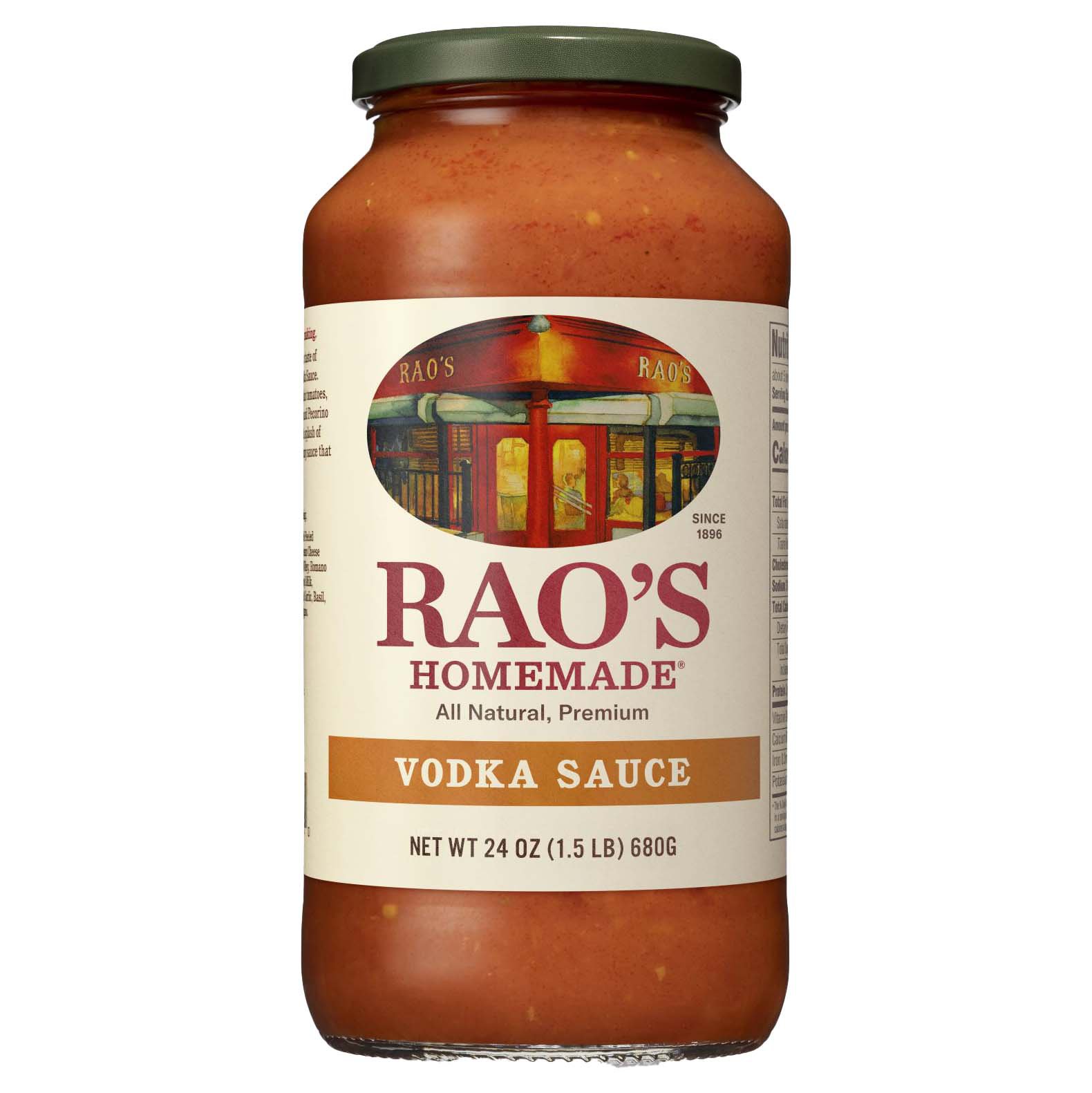
This vodka sauce features high-quality ingredients such as Italian whole peeled tomatoes and olive oil, both of which are minimally processed and provide beneficial nutrients. The inclusion of cheeses like Parmesan and Romano adds flavor and nutritional value, while the absence of harmful additives or seed oils enhances its health profile. Despite being processed, the clean ingredient list and use of whole foods contribute to a favorable rating.
Key ingredients 12
Italian Whole Peeled TomatoesVery Good
Whole peeled tomatoes are a minimally processed source of vitamins and antioxidants. They provide lycopene, which is linked to reduced risk of heart disease. The use of whole tomatoes ensures maximum nutrient retention.
Benefits
Rich in vitamins A and C, and lycopene, which may support heart health and reduce inflammation.
Olive OilVery Good
Olive oil is a high-quality monounsaturated fat with anti-inflammatory properties. It contains antioxidants that support heart health. Cold-pressed extraction preserves beneficial compounds.
Benefits
Rich in monounsaturated fats that support heart health and provide anti-inflammatory properties. Contains antioxidants like vitamin E and polyphenols that may reduce oxidative stress.
Parmesan CheeseGood
Parmesan cheese is a good source of calcium and protein. It is aged, which enhances its flavor and digestibility. The fermentation process may also provide beneficial probiotics.
Risks
Contains lactose, which may be a concern for those with lactose intolerance.
Benefits
Provides calcium and protein, supporting bone health and muscle maintenance.
Romano CheeseGood
Romano cheese is rich in calcium and protein, contributing to bone health. It has a strong flavor, allowing for smaller quantities to be used. The aging process enhances its digestibility and flavor profile.
Risks
Contains lactose, which may be a concern for those with lactose intolerance.
Benefits
Provides essential nutrients like calcium and protein, supporting bone health.
OnionsGood
Onions are a natural source of vitamins, minerals, and antioxidants. They contain quercetin, which has anti-inflammatory and antioxidant effects. Onions add flavor and nutritional value to dishes.
Benefits
Rich in antioxidants and vitamins, supporting immune function and reducing inflammation.
GarlicGood
Garlic is known for its potential health benefits, including antimicrobial and cardiovascular effects. It contains allicin, which may help reduce cholesterol levels. Garlic adds flavor and nutritional value to dishes.
Benefits
May support cardiovascular health and has antimicrobial properties.
BasilGood
Basil is an herb rich in antioxidants and essential oils. It provides anti-inflammatory and antibacterial properties. Fresh basil enhances flavor and nutritional value in dishes.
Benefits
Rich in antioxidants and essential oils, supporting overall health.
Black PepperGood
Black pepper is a spice that enhances flavor and has potential health benefits. It contains piperine, which may improve nutrient absorption. Black pepper adds depth to culinary dishes.
Benefits
May improve nutrient absorption and has antioxidant properties.
OreganoGood
Oregano is an herb with antioxidant and antimicrobial properties. It contains compounds like thymol and carvacrol, which may support immune health. Oregano enhances flavor and nutritional value in dishes.
Benefits
Provides antioxidants and may support immune health.
WheyNeutral
Liquid whey as a minor dairy ingredient — benign.
Risks
May cause allergic reactions in individuals with dairy allergies.
Benefits
Supports muscle repair and growth due to its complete amino acid profile.
SaltNeutral
Salt is essential for maintaining fluid balance and nerve function. It is used to enhance flavor in foods. Excessive consumption can lead to high blood pressure.
Risks
High sodium intake can contribute to hypertension and cardiovascular issues.
Benefits
Essential for fluid balance and nerve function when consumed in moderation.
VodkaNeutral
Vodka is used in cooking to enhance flavors and create a smooth sauce texture. It evaporates during cooking, leaving minimal alcohol content. Vodka is a neutral spirit with no significant nutritional benefits.
Risks
Excessive alcohol consumption is associated with health risks, but minimal amounts remain after cooking.
Benefits
Enhances flavor and texture in cooking without significant nutritional benefits.
Processing
Processed Foods
Get the full breakdown in the Scout appTake Scout shopping
Scan any product to see lab results, healthy alternatives, and your personalized analysis.
Download on theApp Store GET IT ONGoogle Play