
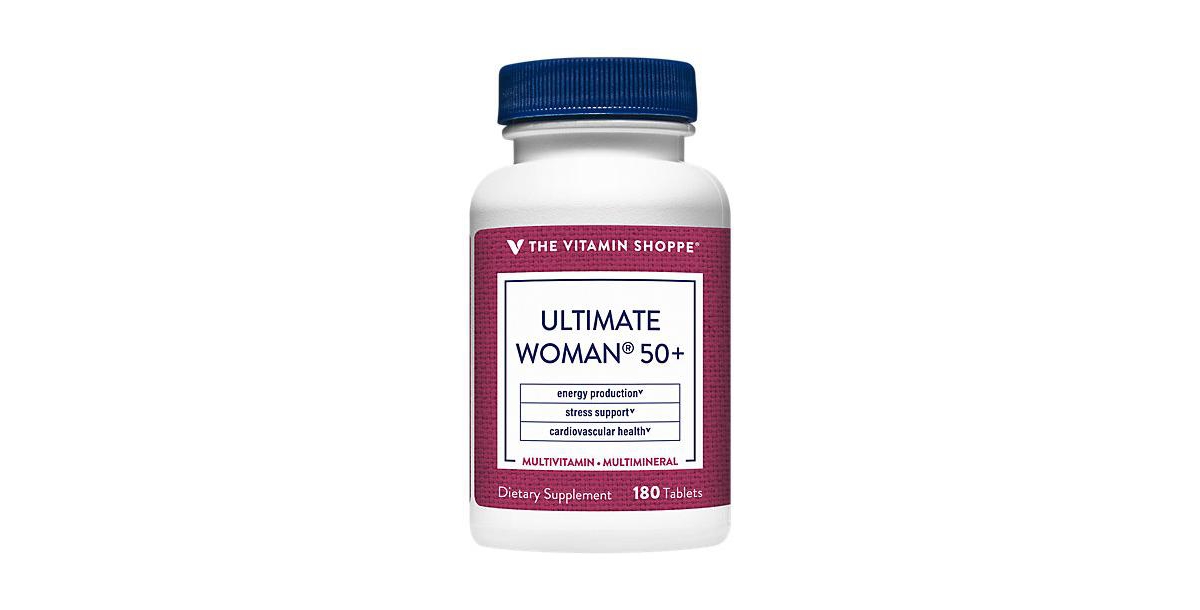

Ultimate Woman 50+ Multivitamin & Multimineral - Energy Production, Stress, & Cardiovascular Health (180 Tablets)
Analysis updated August 2026 · How Scout scores
At a glance
Summary
This multivitamin contains a comprehensive range of essential vitamins and minerals, including bioavailable forms like Vitamin D3 and Vitamin K2, which support bone and cardiovascular health. However, it includes some less bioavailable forms such as magnesium oxide and cyanocobalamin, which may affect absorption. The formulation is generally clean, but the presence of multiple mineral oxides and sulfates suggests moderate processing.
Key ingredients 29
Vitamin CVery Good
Vitamin C is a powerful antioxidant that supports immune function and skin health. It aids in the absorption of iron and the synthesis of collagen, which is vital for skin and connective tissues. Its antioxidant properties help protect cells from damage.
Risks
High doses may cause gastrointestinal disturbances such as diarrhea.
Benefits
Enhances immune defense, promotes skin health, and improves iron absorption.
FolateVery Good
Folate (as folic acid) is vital for DNA synthesis and cell division. It is especially important during periods of rapid growth, such as pregnancy. Folate also supports cardiovascular health by reducing homocysteine levels.
Risks
Excessive intake can mask vitamin B12 deficiency.
Benefits
Supports cell division, DNA synthesis, and heart health.
CalciumVery Good
Calcium is essential for bone health and muscle function. It is provided as calcium carbonate, a common and effective form. Calcium supports bone density and plays a role in nerve transmission and muscle contraction.
Risks
Excessive intake can lead to kidney stones and impaired absorption of other minerals.
Benefits
Supports bone health and muscle function.
LycopeneVery Good
Lycopene is a powerful antioxidant found in tomatoes and other red fruits. It supports cardiovascular health and may reduce the risk of certain cancers. Lycopene helps protect cells from oxidative damage.
Benefits
Supports heart health and provides antioxidant protection.
Coenzyme Q10Very Good
Coenzyme Q10 is crucial for energy production and acts as an antioxidant. It supports heart health and may improve exercise performance. CoQ10 levels decrease with age, making supplementation beneficial.
Benefits
Supports heart health and energy production.
Omega-3 Fatty AcidsVery Good
Omega-3 fatty acids from fish oil support heart health and reduce inflammation. They are essential for brain function and may improve mood and cognitive performance. Omega-3s are known for their anti-inflammatory properties.
Risks
High doses can increase bleeding risk and cause fishy aftertaste.
Benefits
Supports cardiovascular health and reduces inflammation.
Vitamin AGood
Vitamin A is essential for maintaining healthy vision, skin, and immune function. It is provided in both beta carotene and vitamin A palmitate forms, ensuring better absorption and utilization in the body. Beta carotene is a precursor to vitamin A, offering antioxidant properties.
Risks
Excessive intake of vitamin A can lead to toxicity, particularly in the form of retinol.
Benefits
Supports eye health, immune function, and skin integrity.
Vitamin D3Good
Vitamin D3 is crucial for calcium absorption and bone health. It is the most effective form of vitamin D for raising blood levels, supporting bone density, and reducing the risk of fractures. It also plays a role in immune function and mood regulation.
Risks
Excessive intake can lead to hypercalcemia, which can cause nausea and weakness.
Benefits
Supports bone health, immune function, and mood stabilization.
Vitamin EGood
Vitamin E acts as an antioxidant, protecting cells from oxidative stress. It is provided as d-alpha tocopherol succinate, a natural and bioavailable form. This vitamin supports skin health and immune function.
Risks
High doses may interfere with blood clotting and increase the risk of bleeding.
Benefits
Protects cells from damage, supports skin health, and enhances immune function.
Vitamin KGood
Vitamin K is essential for blood clotting and bone metabolism. Menaquinone (K2) is more effective in supporting bone health and cardiovascular function. It helps direct calcium to bones and away from arteries.
Benefits
Supports bone health and proper blood clotting.
ThiamineGood
Thiamine (Vitamin B1) is vital for energy metabolism and nerve function. It is provided as thiamine mononitrate, a stable and bioavailable form. Thiamine helps convert carbohydrates into energy and supports nervous system health.
Benefits
Supports energy production and nerve function.
RiboflavinGood
Riboflavin (Vitamin B2) is important for energy production and cellular function. It plays a role in the metabolism of fats, drugs, and steroids. Riboflavin also supports skin health and vision.
Benefits
Supports energy metabolism and skin health.
NiacinGood
Niacin (Vitamin B3) is essential for energy metabolism and DNA repair. It helps convert nutrients into energy and supports skin, digestive, and nervous system health. Niacin can also improve cholesterol levels.
Risks
High doses can cause flushing and liver damage.
Benefits
Supports energy production and cardiovascular health.
Vitamin B6Good
Vitamin B6 is crucial for protein metabolism and cognitive development. It aids in the production of neurotransmitters and hemoglobin. Vitamin B6 also supports immune function and mood regulation.
Risks
High doses can cause nerve damage.
Benefits
Supports brain health, mood regulation, and immune function.
Vitamin B12Good
Vitamin B12 is essential for nerve function and the production of DNA and red blood cells. It is provided as cyanocobalamin, a stable and effective form. Vitamin B12 supports energy production and neurological health.
Benefits
Supports energy metabolism and neurological function.
BiotinGood
Biotin is important for carbohydrate, fat, and protein metabolism. It supports healthy hair, skin, and nails. Biotin also plays a role in gene regulation and cell signaling.
Benefits
Supports metabolism and promotes healthy hair, skin, and nails.
Pantothenic AcidGood
Pantothenic acid (Vitamin B5) is crucial for synthesizing coenzyme A, which is involved in fatty acid metabolism. It supports energy production and the synthesis of hormones and neurotransmitters. Pantothenic acid also aids in wound healing.
Benefits
Supports energy metabolism and hormone synthesis.
IronGood
Iron is crucial for the production of hemoglobin and oxygen transport in the blood. It is provided as ferrous fumarate, a well-absorbed form. Iron supports energy production and cognitive function.
Risks
Excessive intake can cause gastrointestinal issues and toxicity.
Benefits
Supports oxygen transport and energy production.
MagnesiumGood
Magnesium is involved in over 300 enzymatic reactions in the body, including energy production and muscle function. It is provided as magnesium oxide, a common form. Magnesium supports bone health, nerve function, and muscle relaxation.
Risks
High doses can cause diarrhea and abdominal cramping.
Benefits
Supports muscle and nerve function, and bone health.
ZincGood
Zinc is essential for immune function, wound healing, and DNA synthesis. It is provided as zinc oxide, a common and effective form. Zinc supports skin health and acts as an antioxidant.
Risks
Excessive intake can interfere with copper absorption and cause nausea.
Benefits
Supports immune function and skin health.
SeleniumGood
Selenium is a trace mineral that acts as an antioxidant and supports thyroid function. It is provided as sodium selenite, a bioavailable form. Selenium helps protect cells from oxidative damage.
Risks
High doses can lead to selenosis, causing hair loss and gastrointestinal issues.
Benefits
Supports antioxidant defense and thyroid health.
CopperGood
Copper is important for iron metabolism, connective tissue formation, and brain function. It is provided as copper sulfate, a common form. Copper supports cardiovascular health and acts as an antioxidant.
Risks
Excessive intake can lead to toxicity and liver damage.
Benefits
Supports iron metabolism and antioxidant defense.
ManganeseGood
Manganese is involved in bone formation, energy production, and antioxidant defense. It is provided as manganese sulfate, a bioavailable form. Manganese supports bone health and metabolism.
Risks
High doses can lead to neurological issues.
Benefits
Supports bone health and antioxidant defense.
ChromiumGood
Chromium is important for macronutrient metabolism and insulin sensitivity. It is provided as chromium picolinate, a well-absorbed form. Chromium supports blood sugar regulation and energy metabolism.
Benefits
Supports blood sugar control and energy metabolism.
PotassiumGood
Potassium is essential for maintaining fluid balance, nerve function, and muscle contractions. It is provided as potassium chloride, a common form. Potassium supports cardiovascular health and helps regulate blood pressure.
Risks
Excessive intake can lead to hyperkalemia, affecting heart function.
Benefits
Supports heart health and fluid balance.
BoronGood
Beneficial ingredient — whole-food or functional value in this product class.
Benefits
Supports bone health and hormone regulation.
CholineGood
Choline is important for liver function, brain development, and muscle movement. It is provided as choline bitartrate, a common form. Choline supports cognitive function and lipid metabolism.
Risks
High doses can cause fishy body odor and gastrointestinal distress.
Benefits
Supports brain health and liver function.
Alpha Lipoic AcidGood
Alpha lipoic acid is an antioxidant that helps convert glucose into energy. It supports nerve health and may improve insulin sensitivity. Alpha lipoic acid also regenerates other antioxidants like vitamin C and E.
Risks
High doses can cause skin rashes and gastrointestinal issues.
Benefits
Supports energy metabolism and antioxidant defense.
MolybdenumNeutral
Molybdenum is a trace mineral involved in enzyme function and detoxification. It is provided as molybdenum amino acid chelate, a bioavailable form. Molybdenum supports the metabolism of sulfur-containing amino acids.
Benefits
Supports enzyme function and detoxification processes.
Processing
Processed Foods
Get the full breakdown in the Scout appTake Scout shopping
Scan any product to see lab results, healthy alternatives, and your personalized analysis.
Download on theApp Store GET IT ONGoogle Play