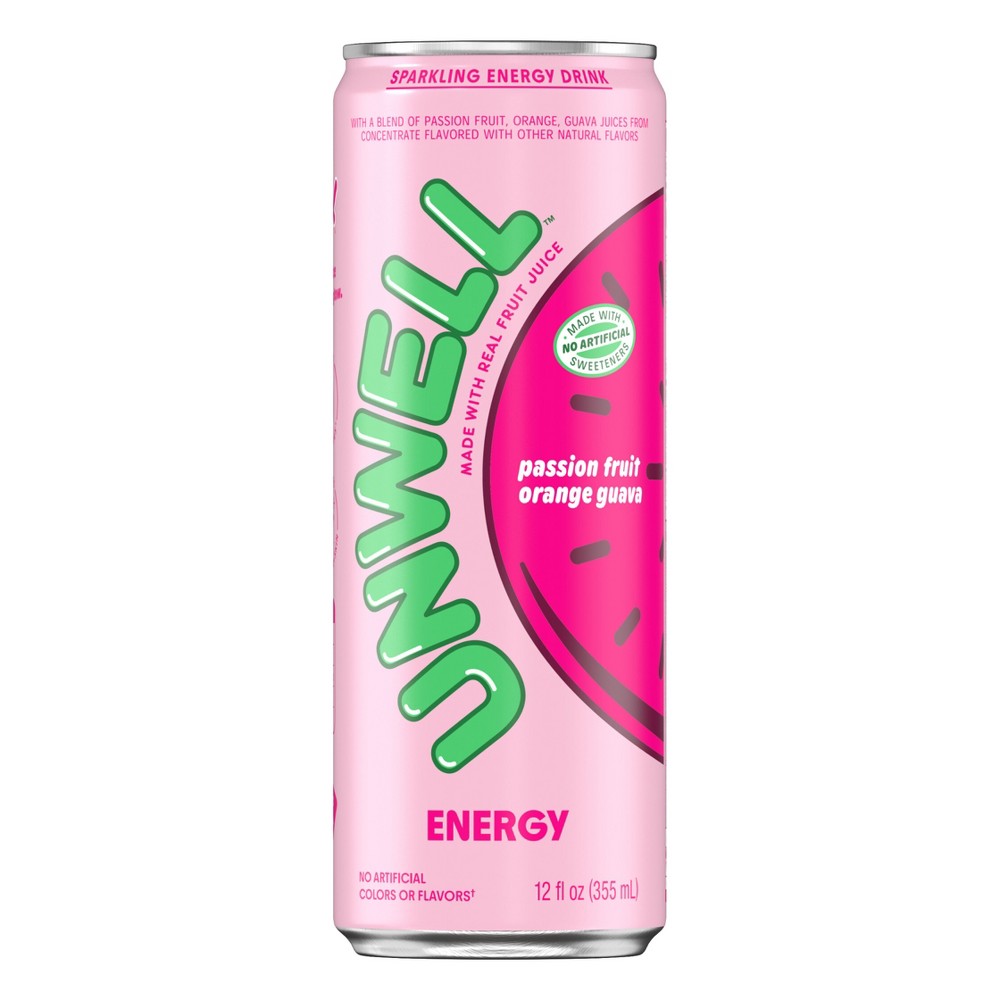
FitTea Kiwi Guava

At a glance
Summary
This energy drink contains beneficial ingredients like taurine, green tea extract, and vitamins, which support energy and antioxidant functions. However, it includes sucralose, an artificial sweetener, and 'natural flavors,' which are less transparent and can be concerning. Despite being ultra-processed, the absence of added sugars and the inclusion of functional ingredients contribute positively to its formulation. It comes in an aluminum can, whose plastic lining costs it a few points.
Key ingredients 20
Green Tea Extract (Polyphenols)Very Good
Green tea extract is rich in polyphenols, which are powerful antioxidants that can protect against oxidative stress. It may support weight management and improve brain function. It is derived from green tea leaves and is considered highly beneficial.
Risks
Excessive consumption may lead to liver issues due to high catechin content.
Benefits
Rich in antioxidants that support overall health and may aid in weight management.
Cyanocobalamin (Vitamin B12)Very Good
Cyanocobalamin is a form of vitamin B12 that is essential for nerve function and the production of DNA and red blood cells. It is crucial for maintaining healthy nerve cells and preventing anemia. It is water-soluble and generally safe.
Benefits
Supports nerve health and red blood cell production.
TaurineGood
Taurine is an amino acid that supports neurological development and helps regulate water and mineral levels in the blood. It is often included in energy drinks for its potential to improve athletic performance. Taurine is naturally found in meat and fish.
Risks
Excessive consumption of taurine, especially in combination with caffeine, may lead to health issues such as increased heart rate.
Benefits
Taurine may improve exercise performance and support cardiovascular health.
Calcium CitrateGood
Calcium citrate is a form of calcium that is easily absorbed by the body and supports bone health. It is often used as a dietary supplement to prevent or treat calcium deficiencies. It is more easily absorbed than some other forms of calcium.
Risks
Excessive intake may lead to hypercalcemia, which can cause kidney stones and other health issues.
Benefits
Supports bone health and may help prevent osteoporosis.
Ascorbic Acid (Vitamin C)Good
Ascorbic acid, or vitamin C, is an essential nutrient that supports immune function and acts as an antioxidant. It is crucial for the growth and repair of tissues in the body. It also enhances the absorption of iron from plant-based foods.
Risks
Excessive intake can lead to gastrointestinal discomfort and kidney stones.
Benefits
Boosts immune function and acts as a powerful antioxidant.
InositolGood
Inositol is a carbohydrate found in many foods and is often used in energy drinks for its potential to improve mood and cognitive function. It plays a role in cell membrane formation and insulin signaling. It is considered safe and beneficial in moderate amounts.
Risks
High doses may cause gastrointestinal upset.
Benefits
May improve mood and cognitive function.
L-Carnitine L-TartrateGood
L-Carnitine L-Tartrate is a form of carnitine that supports energy production by transporting fatty acids into the mitochondria. It is often used in supplements to enhance athletic performance and recovery. It is well-absorbed and utilized by the body.
Risks
Excessive intake may lead to gastrointestinal discomfort.
Benefits
Supports energy production and may enhance athletic performance.
D-Calcium Pantothenate (Vitamin B5)Good
D-Calcium Pantothenate is a form of vitamin B5 that is essential for synthesizing coenzyme A, which is crucial for fatty acid metabolism. It supports energy production and is important for maintaining healthy skin. It is water-soluble and generally safe.
Benefits
Supports energy metabolism and skin health.
Ginger ExtractGood
Ginger extract is known for its anti-inflammatory and antioxidant properties. It can help alleviate nausea and improve digestion. It is derived from ginger root and is widely used for its health benefits.
Risks
High doses may cause heartburn or stomach upset.
Benefits
May reduce inflammation and improve digestive health.
Niacinamide (Vitamin B3)Good
Niacinamide is a form of vitamin B3 that supports energy metabolism and skin health. It is essential for converting nutrients into energy and maintaining healthy cells. It is water-soluble and generally safe in moderate amounts.
Risks
High doses may cause flushing or liver damage.
Benefits
Supports energy production and skin health.
Pyridoxine Hydrochloride (Vitamin B6)Good
Pyridoxine hydrochloride is a form of vitamin B6 that is crucial for protein metabolism and cognitive development. It supports neurotransmitter synthesis and immune function. It is water-soluble and generally safe.
Risks
Excessive intake may lead to nerve damage.
Benefits
Supports brain health and immune function.
Riboflavin (Vitamin B2)Good
Riboflavin is a form of vitamin B2 that plays a key role in energy production and cellular function. It is essential for the metabolism of fats, drugs, and steroids. It is water-soluble and generally safe.
Benefits
Supports energy metabolism and cellular function.
Guarana Extract (Seed)Good
Guarana extract is derived from the seeds of the guarana plant and is known for its high caffeine content. It can enhance energy and mental alertness. It is often used in energy drinks for its stimulating effects.
Risks
High caffeine content may lead to insomnia and increased heart rate.
Benefits
Enhances energy and mental alertness.
Carbonated WaterNeutral
Carbonated water is simply water infused with carbon dioxide gas under pressure. It is a common base for many beverages and does not provide any nutritional benefits or risks. It is generally considered safe for consumption.
See more about Carbonated Water →Citric AcidNeutral
Citric acid is a natural preservative and flavor enhancer found in citrus fruits. It is commonly used in beverages to add a sour taste and preserve freshness. It is generally recognized as safe when consumed in typical amounts.
Risks
Excessive consumption may lead to tooth enamel erosion.
Benefits
Citric acid can enhance flavor and preserve the freshness of beverages.
CaffeineNeutral
Caffeine is a natural stimulant that can enhance alertness and improve concentration. It is commonly found in coffee, tea, and energy drinks. While it can boost energy levels, excessive consumption may lead to negative health effects.
Risks
High doses of caffeine can cause insomnia, jitteriness, and increased heart rate.
Benefits
May improve mental alertness and physical performance.
Vegetable Juice for ColorNeutral
Vegetable juice for color is used to provide a natural coloring to beverages without artificial dyes. It is derived from vegetables and is generally considered safe. It does not contribute significant nutritional value.
Benefits
Provides natural coloring without the use of artificial dyes.
GlucuronolactoneNeutral
Glucuronolactone is a naturally occurring compound often included in energy drinks for its potential to improve energy and reduce fatigue. It is generally considered safe in moderate amounts. Its effectiveness in energy drinks is still under research.
Benefits
May help reduce fatigue and improve energy levels.
Natural FlavorBad
Natural flavors are often used to enhance taste but can be a catch-all term for a variety of substances. The lack of transparency in what constitutes 'natural flavor' can be concerning for consumers. It is processed and may contain additives not disclosed on the label.
Risks
Potential allergens or additives may be included under the 'natural flavor' label without disclosure.
SucraloseBad
Sucralose is an artificial sweetener used to provide sweetness without calories. It is much sweeter than sugar and is often used in diet products. Concerns exist about its effects on gut health and potential to alter glucose and insulin levels.
Risks
May negatively impact gut microbiota and alter glucose metabolism.
Benefits
Provides sweetness without adding calories, which can be beneficial for weight management.
Processing
Ultra-Processed Foods
Get the full breakdown in the Scout appTake Scout shopping
Scan any product to see lab results, healthy alternatives, and your personalized analysis.