


At a glance
Summary
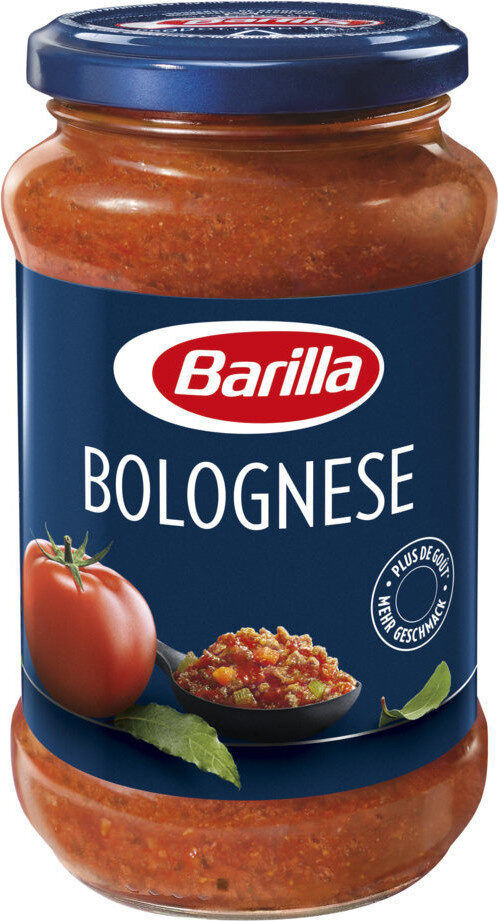
This product contains beneficial ingredients like tomato pulp, tomato paste, onions, and carrots, which provide vitamins and antioxidants. However, the presence of sunflower oil, a refined seed oil, and added sugar detracts from its nutritional profile. The product is moderately processed, which limits its overall health rating despite the inclusion of some whole food ingredients.
Key ingredients 14
Tomato pulpGood
Tomato pulp is a rich source of vitamins and antioxidants, particularly lycopene. It is minimally processed and retains much of the nutritional value of fresh tomatoes. Lycopene is known for its potential to reduce the risk of certain chronic diseases.
Benefits
Rich in antioxidants like lycopene, which may support heart health and reduce inflammation.
Tomato pasteGood
Tomato paste is concentrated and provides a high amount of nutrients like lycopene and vitamin C. It is made by cooking tomatoes for a long time, which enhances the bioavailability of lycopene. This ingredient can contribute to a healthy diet by providing antioxidants.
Benefits
Provides concentrated antioxidants and vitamins, supporting overall health and potentially reducing the risk of chronic diseases.
OnionsGood
Onions are a natural source of vitamins, minerals, and antioxidants. They contain quercetin, a flavonoid that may have anti-inflammatory and antioxidant effects. Onions can enhance the flavor and nutritional profile of dishes.
Benefits
Rich in antioxidants and flavonoids, which may support immune function and reduce inflammation.
CarrotsGood
Carrots are rich in beta-carotene, fiber, and antioxidants. They are minimally processed and retain their nutritional benefits. Beta-carotene is converted to vitamin A in the body, supporting vision and immune health.
Benefits
Rich in beta-carotene and fiber, supporting eye health and digestion.
ThymeGood
Thyme is an herb rich in antioxidants and essential oils. It is minimally processed and can enhance flavor and aroma. The antioxidants in thyme may support immune health and reduce inflammation.
Benefits
Rich in antioxidants, supporting immune health and providing anti-inflammatory properties.
Black pepperGood
Black pepper is a spice that contains piperine, which may enhance nutrient absorption. It is minimally processed and adds flavor and heat to dishes. Piperine has potential anti-inflammatory and antioxidant effects.
Benefits
May enhance nutrient absorption and provide antioxidant benefits.
BeefNeutral
Beef is a good source of high-quality protein and essential nutrients like iron and vitamin B12. The quality of beef can vary depending on the source and feeding practices. Grass-fed beef is generally considered more nutritious than grain-fed beef.
Risks
Excessive consumption of red meat may be linked to increased health risks, such as heart disease.
Benefits
Provides essential nutrients and high-quality protein, supporting muscle health and energy levels.
PorkNeutral
Pork is a source of protein and essential nutrients like thiamine and selenium. The nutritional quality can vary based on the cut and preparation method. Lean cuts of pork can be part of a balanced diet.
Risks
High consumption of processed pork products may be associated with health risks such as heart disease.
Benefits
Provides protein and essential nutrients, supporting overall health and muscle maintenance.
CeleryNeutral
Celery is low in calories and provides fiber and vitamins. It is often used to add flavor and texture to dishes. While not particularly nutrient-dense, it can contribute to hydration due to its high water content.
Benefits
Provides fiber and hydration, supporting digestive health.
SaltNeutral
Salt is essential for maintaining fluid balance and nerve function. It is a common seasoning but should be consumed in moderation. Excessive intake can lead to high blood pressure and cardiovascular issues.
Risks
High sodium intake may increase the risk of hypertension and cardiovascular diseases.
Benefits
Essential for fluid balance and nerve function when consumed in appropriate amounts.
Corn starchNeutral
Corn starch is a refined carbohydrate used as a thickening agent. It is highly processed and provides little nutritional value. While it can improve texture, it does not contribute significantly to nutritional intake.
See more about Corn starch →Bay leafNeutral
Bay leaf is used for its aromatic properties and can enhance the flavor of dishes. It is minimally processed and typically removed before consumption. While it adds flavor, it does not significantly impact nutritional value.
Benefits
Enhances flavor and aroma in culinary applications.
SugarBad
Refined sugar is a source of empty calories and can contribute to weight gain and metabolic issues. It is highly processed and lacks nutritional value. Excessive consumption is linked to various health problems, including diabetes and heart disease.
Risks
May contribute to obesity, diabetes, and other metabolic disorders when consumed in excess.
Sunflower oilVery Bad
Sunflower oil is high in omega-6 fatty acids, which can promote inflammation when consumed in excess. It is a refined seed oil, often extracted using high heat and chemicals. This processing can reduce its nutritional value and introduce harmful compounds.
Risks
High omega-6 content may promote inflammation and imbalance in fatty acid intake.
Processing
Processed Foods
Get the full breakdown in the Scout appTake Scout shopping
Scan any product to see lab results, healthy alternatives, and your personalized analysis.
Download on theApp Store GET IT ONGoogle Play