

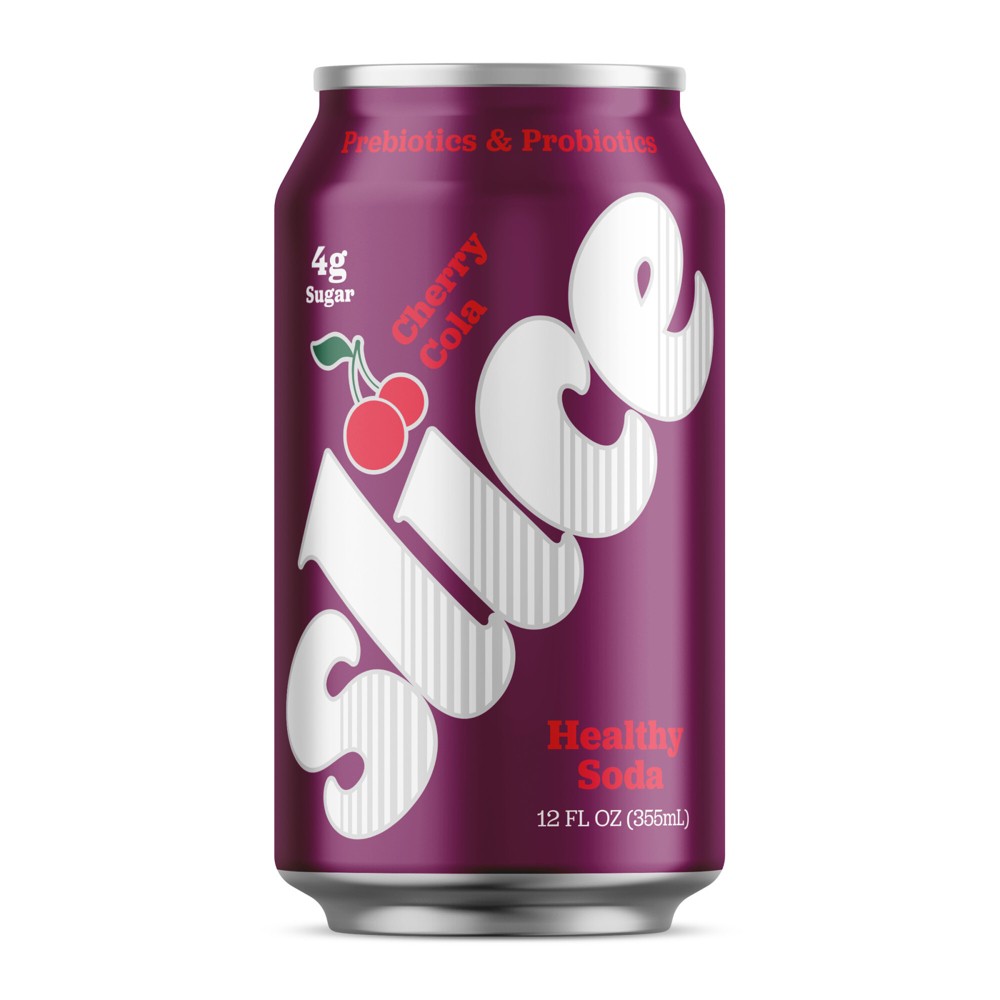


Shameless Snacks- So Cool cola
Analysis updated July 2026 · How Scout scores
At a glance
Summary
This product contains a mix of fiber sources and sweeteners like erythritol, which are generally considered safe but contribute to its processed nature. The presence of 'natural flavor' is a concern due to its lack of transparency, which can be problematic for consumers avoiding certain additives. Despite being processed, the absence of artificial dyes, seed oils, and high-fructose corn syrup helps maintain a moderate score.
Key ingredients 9
PolydextroseNeutral
Polydextrose is a synthetic polymer of glucose used as a soluble fiber and bulking agent. It is not absorbed by the body and thus contributes to dietary fiber intake without adding calories. It is generally recognized as safe, but excessive consumption may lead to digestive discomfort.
Risks
Excessive consumption may cause bloating or laxative effects.
Benefits
Contributes to dietary fiber intake without adding calories.
Soluble Corn FiberNeutral
Soluble corn fiber is a type of dietary fiber derived from corn starch. It is used to increase fiber content in foods and has minimal impact on blood sugar levels. It is generally considered safe, but some individuals may experience digestive discomfort.
Risks
May cause digestive discomfort in sensitive individuals.
Benefits
Helps increase dietary fiber intake and supports digestive health.
ErythritolNeutral
Erythritol is a sugar alcohol used as a low-calorie sweetener. It is absorbed in the small intestine and excreted unchanged, providing sweetness without affecting blood sugar levels. It is generally well-tolerated, but excessive consumption can cause digestive issues.
Risks
Excessive consumption may lead to digestive issues such as bloating or diarrhea.
Benefits
Provides sweetness without calories or significant impact on blood sugar levels.
GlycerinNeutral
Glycerin is a sugar alcohol used as a sweetener and humectant in foods. It helps retain moisture and improve texture in products. It is generally recognized as safe, but excessive intake may cause digestive discomfort.
Risks
High intake may lead to digestive discomfort or laxative effects.
Benefits
Helps retain moisture and improve texture in food products.
PectinNeutral
Pectin is a natural polysaccharide found in fruits, used as a gelling agent in foods. It is a source of soluble fiber and can aid in digestion. It is generally safe, with no significant health risks identified.
Benefits
Provides soluble fiber and aids in digestion.
Citric AcidNeutral
Citric acid is a natural acid found in citrus fruits, used as a preservative and flavor enhancer. It is generally recognized as safe and helps maintain the stability and taste of food products. Excessive consumption may cause dental erosion.
Risks
Excessive consumption may lead to dental erosion.
Benefits
Acts as a preservative and enhances flavor in food products.
Sodium CitrateNeutral
Sodium citrate is a sodium salt of citric acid used as an acidity regulator and emulsifier. It helps maintain the pH balance and stability of food products. It is generally recognized as safe with no significant health risks.
Benefits
Helps regulate acidity and stabilize food products.
Malic AcidNeutral
Malic acid is a naturally occurring acid found in fruits, used to enhance flavor and acidity in foods. It is generally recognized as safe and contributes to the tart taste of products. Excessive consumption may cause digestive discomfort.
Risks
Excessive consumption may lead to digestive discomfort.
Benefits
Enhances flavor and acidity in food products.
Natural FlavorBad
Natural flavor is a broad term for flavoring agents derived from natural sources, but the exact composition is often undisclosed. This lack of transparency can be concerning for consumers seeking to avoid certain additives. It may contain a variety of compounds, some of which could be allergens or irritants.
Risks
Potential allergens or irritants may be present, and lack of transparency is a concern.
Processing
Processed Foods
Get the full breakdown in the Scout appTake Scout shopping
Scan any product to see lab results, healthy alternatives, and your personalized analysis.
Download on theApp Store GET IT ONGoogle PlayAmazon pricing & content
Amazon price as of . Product prices and availability are accurate as of the date/time indicated and are subject to change. Any price and availability information displayed on Amazon.com at the time of purchase will apply to the purchase of this product.
CERTAIN CONTENT THAT APPEARS ON THIS SITE COMES FROM AMAZON. THIS CONTENT IS PROVIDED “AS IS” AND IS SUBJECT TO CHANGE OR REMOVAL AT ANY TIME.