


At a glance
Summary
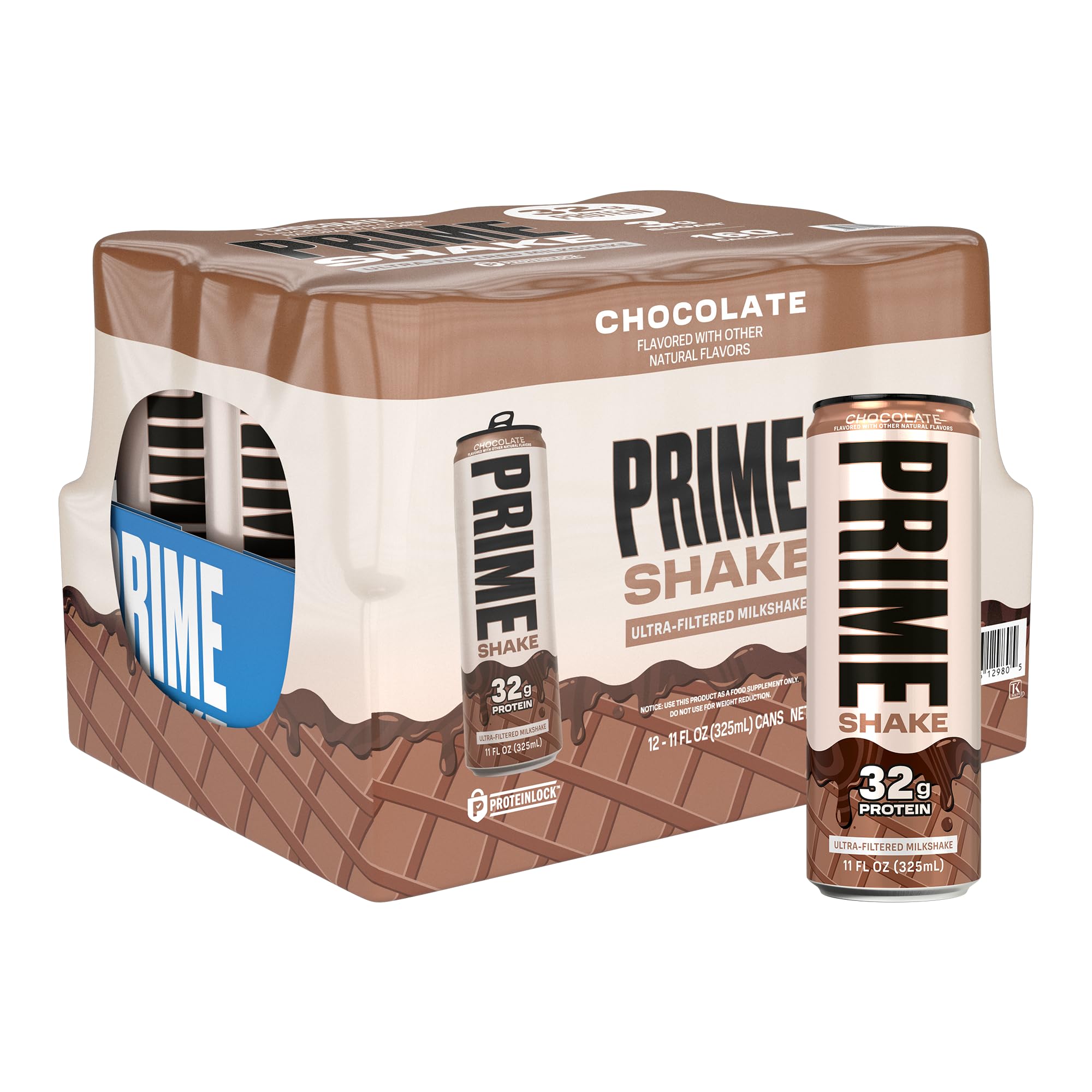
The PRIME Shake Ultra-Filtered Milkshake contains ultra-filtered skim milk, which is a high-quality source of protein and calcium, but it is processed and includes several additives. The presence of natural flavors, cellulose gel, and dipotassium phosphate, which are processed additives, detracts from its overall healthiness. While the milkshake offers some nutritional benefits, the processing level and use of additives limit its score.
Key ingredients 7
Ultra-Filtered Skim MilkGood
This ingredient is a high-quality dairy product that provides essential nutrients and is processed to remove excess fat, making it a beneficial choice for consumers seeking a lean protein source.
See more about Ultra-Filtered Skim Milk →WaterNeutral
Water is a fundamental ingredient that hydrates and helps blend the product without adding any nutritional value or concern.
See more about Water →SaltNeutral
Salt is used for flavor balance and preservation, with moderate amounts generally considered safe for most consumers.
See more about Salt →Cocoa Powder (Processed with Alkali)Neutral
This ingredient adds flavor and richness to the product, with processing reducing acidity and bitterness without negative health effects.
See more about Cocoa Powder (Processed with Alkali) →Cellulose GelNeutral
Cellulose gel is a plant-based thickener and stabilizer that helps improve texture without adverse health impacts.
See more about Cellulose Gel →Dipotassium PhosphateNeutral
This additive functions as a pH buffer and stabilizer, ensuring product consistency without health concerns when used within regulated limits.
See more about Dipotassium Phosphate →Natural FlavorsBad
Umbrella term that can hide dozens of undisclosed synthetic constituents.
See more about Natural Flavors →Processing
Processed Foods
Get the full breakdown in the Scout appTake Scout shopping
Scan any product to see lab results, healthy alternatives, and your personalized analysis.
Download on theApp Store GET IT ONGoogle Play