
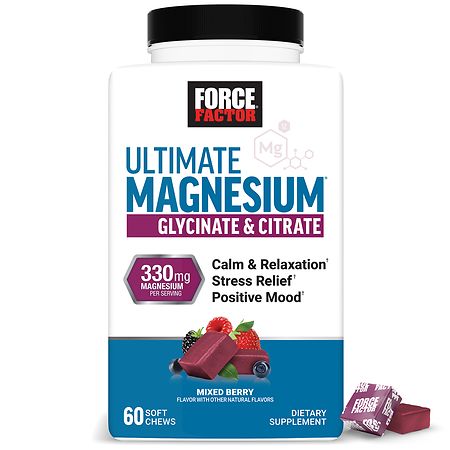


Force Factor Ultimate Magnesium Glycinate & Citrate Soft Chews Mixed Berry - 60.0 ea
Analysis updated July 2026 · How Scout scores
At a glance
Summary
This supplement contains raw cane sugar and palm oil, which are less desirable due to their potential health and environmental impacts. The presence of natural flavors and sunflower lecithin adds to the processing level, but the formulation includes magnesium glycinate and citrate, which are bioavailable forms of magnesium. The product's ingredient list is relatively clean, but the use of sugar and palm oil affects its overall healthiness.
Key ingredients 9
Sea SaltGood
Beneficial ingredient — whole-food or functional value in this product class.
Risks
Excessive salt intake can lead to high blood pressure and cardiovascular issues.
Benefits
Contains trace minerals that may be beneficial in small amounts.
Gum ArabicNeutral
Gum Arabic is a natural gum made from the sap of the Acacia tree. It is used as a stabilizer and thickening agent in foods. It is generally recognized as safe and has minimal impact on health.
Benefits
May aid in digestion and provide dietary fiber.
Citric AcidNeutral
Citric acid is a natural acid found in citrus fruits, used as a preservative and flavor enhancer. It is generally recognized as safe and widely used in food processing. It can enhance flavor without adding calories.
Risks
Excessive consumption may cause tooth enamel erosion.
Fruit And Vegetable JuiceNeutral
Fruit and vegetable juice is used for natural coloring in food products. It provides a natural alternative to artificial dyes. However, it does not contribute significant nutritional value in small amounts.
Benefits
Provides natural color without artificial additives.
Tapioca SyrupBad
Processed additive flagged under Scout's ingredient doctrine.
See more about Tapioca Syrup →Raw Cane SugarBad
Raw cane sugar is a less refined form of sugar that retains some molasses content. It contributes to calorie intake without providing essential nutrients. Excessive consumption can lead to health issues such as obesity and dental problems.
Risks
High sugar intake is associated with increased risk of obesity, type 2 diabetes, and dental cavities.
Natural FlavorsBad
Natural flavors are additives used to enhance taste, derived from natural sources but processed. They lack transparency in terms of specific ingredients and potential allergens. The term 'natural' does not guarantee health benefits.
Risks
Potential allergens and lack of transparency in ingredient sourcing.
Palm OilBad
Palm oil is a widely used vegetable oil that is high in saturated fats. Its production is associated with environmental concerns such as deforestation. High intake of saturated fats can contribute to heart disease.
Risks
High saturated fat content may increase the risk of heart disease.
Benefits
Provides a stable cooking oil with a long shelf life.
Sunflower LecithinBad
Sunflower lecithin is an emulsifier derived from sunflower seeds. It is used to improve texture and consistency in food products. While it is less processed than soy lecithin, it still lacks significant health benefits.
Benefits
May support brain health and improve lipid profiles.
Processing
Ultra-Processed Foods
Get the full breakdown in the Scout appTake Scout shopping
Scan any product to see lab results, healthy alternatives, and your personalized analysis.
Download on theApp Store GET IT ONGoogle PlayAmazon pricing & content
Amazon price as of . Product prices and availability are accurate as of the date/time indicated and are subject to change. Any price and availability information displayed on Amazon.com at the time of purchase will apply to the purchase of this product.
CERTAIN CONTENT THAT APPEARS ON THIS SITE COMES FROM AMAZON. THIS CONTENT IS PROVIDED “AS IS” AND IS SUBJECT TO CHANGE OR REMOVAL AT ANY TIME.