


At a glance
Summary
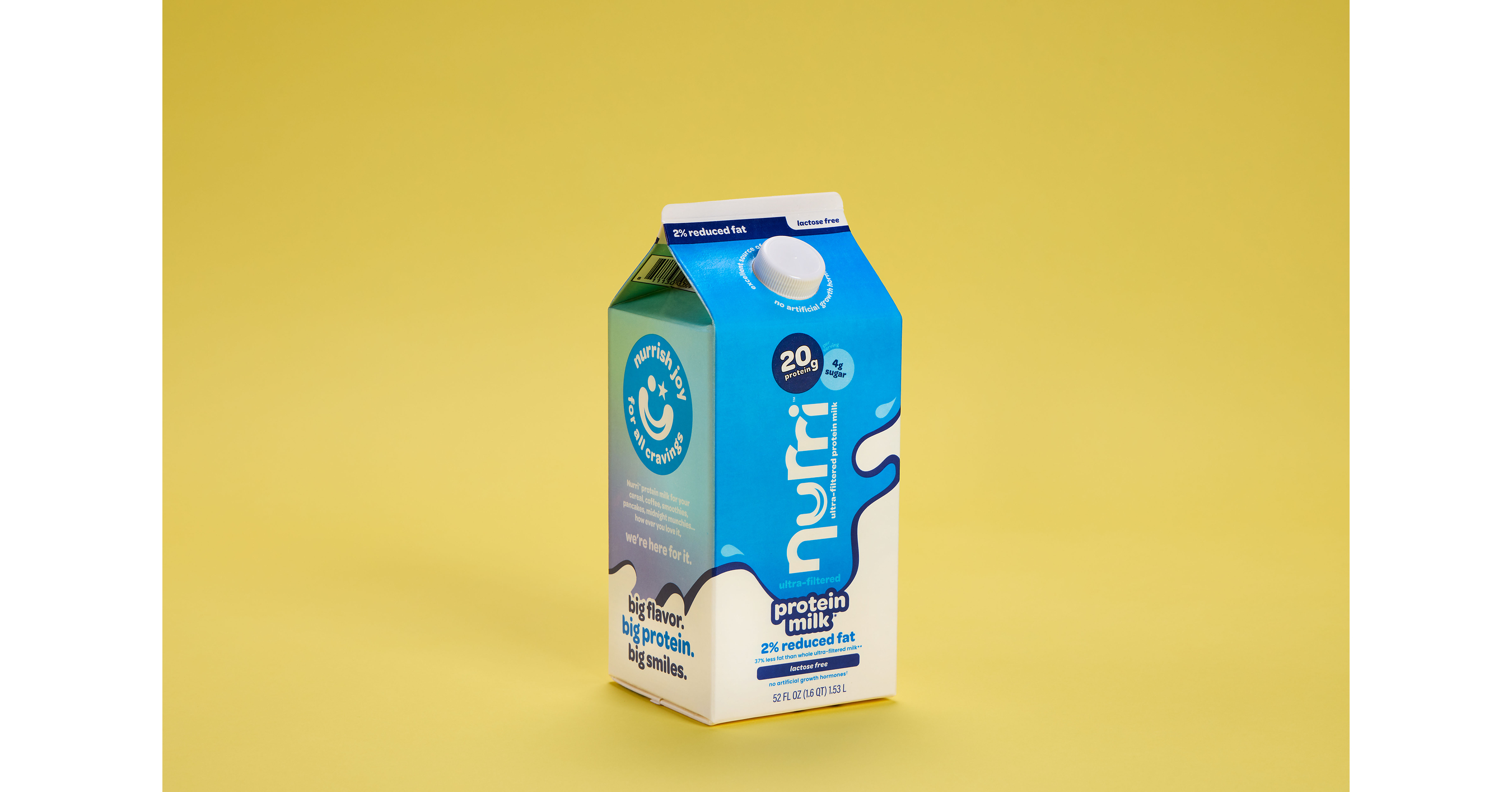
This milk product is ultra-processed, which limits its potential health score despite having some beneficial ingredients like ultra-filtered skim milk and cream. The presence of artificial sweeteners such as sucralose and acesulfame potassium, along with natural flavors, detracts from its overall healthiness. While it offers a good protein content and is fortified with vitamins, the processing level and use of artificial additives are significant factors in its rating.
Key ingredients 14
Ultra Filtered Skim MilkGood
Ultra filtered skim milk is a high-quality source of protein and calcium. The filtration process removes some lactose and concentrates the protein content. It provides essential nutrients without the added fat found in whole milk.
Benefits
Rich in protein and calcium, supporting muscle and bone health.
CreamGood
Cream adds richness and a smooth texture to the product. It is a source of healthy fats and fat-soluble vitamins. The inclusion of cream enhances the flavor and mouthfeel of the milk.
Risks
Excessive consumption may contribute to increased calorie intake.
Benefits
Provides healthy fats and enhances the flavor profile of the product.
CocoaGood
Cocoa is rich in antioxidants and can improve mood and cognitive function. The alkali processing reduces acidity and enhances flavor. It adds a chocolate flavor and potential health benefits to the product.
Risks
Processed cocoa may contain lower levels of beneficial flavonoids.
Benefits
Contains antioxidants that may support heart health and improve mood.
Sea SaltGood
Sea salt is a natural source of sodium and trace minerals. It is minimally processed and adds flavor to the product. The use of sea salt can enhance the taste without excessive sodium intake.
Risks
High sodium intake can contribute to hypertension in sensitive individuals.
Benefits
Provides essential minerals and enhances flavor.
Lactase EnzymeGood
Lactase enzyme helps break down lactose, making the product suitable for lactose-intolerant individuals. It improves digestibility and reduces discomfort associated with lactose consumption. The inclusion of lactase enhances the product's accessibility to a wider audience.
Benefits
Improves lactose digestion and reduces symptoms of intolerance.
Monk Fruit ExtractGood
Beneficial ingredient — whole-food or functional value in this product class.
Benefits
Offers a natural, calorie-free sweetening option.
Vitamin D3Good
Vitamin D3 is essential for calcium absorption and bone health. It is added to fortify the product and support overall health. Adequate vitamin D levels are crucial for maintaining bone density and immune function.
Benefits
Supports bone health and immune function through fortification.
WaterNeutral
Water is used as a solvent and to adjust the consistency of the product. It is a neutral ingredient with no direct nutritional impact. It helps in maintaining the desired texture and hydration of the product.
See more about Water →Potassium PhosphateNeutral
Potassium phosphate is used as a stabilizer and acidity regulator. It helps maintain the product's texture and pH balance. It is generally recognized as safe when used in moderation.
Risks
Excessive intake may affect kidney function in susceptible individuals.
Benefits
Helps maintain product stability and consistency.
PectinNeutral
Pectin is a natural thickening agent derived from fruits. It is used to improve the texture and stability of the product. Pectin is generally recognized as safe and has no significant nutritional impact.
Benefits
Helps improve product texture and stability.
Vitamin A PalmitateNeutral
Vitamin A palmitate is a synthetic form of vitamin A used to fortify foods. It helps maintain vision and immune function. The fortification ensures adequate intake of vitamin A in the diet.
Risks
Excessive intake can lead to hypervitaminosis A.
Benefits
Supports vision and immune health through fortification.
Natural FlavorBad
Natural flavors are often used to enhance taste but lack transparency in their composition. They can contain a variety of compounds that are not disclosed to consumers. The use of natural flavors can be seen as a way to mask the absence of real ingredients.
Risks
Potential allergens or sensitivities may be present without clear labeling.
SucraloseBad
Sucralose is an artificial sweetener used to provide sweetness without calories. It is highly processed and may affect gut microbiota. The long-term health effects of sucralose consumption are still under investigation.
Risks
May alter gut microbiota and has potential long-term health concerns.
Benefits
Provides sweetness without adding calories.
Acesulfame PotassiumBad
Acesulfame potassium is an artificial sweetener used to enhance sweetness. It is calorie-free but has been linked to potential health concerns. The safety of long-term consumption remains debated among health experts.
Risks
Potential health concerns related to long-term consumption.
Benefits
Provides sweetness without contributing to calorie intake.
Processing
Ultra-Processed Foods
Get the full breakdown in the Scout appTake Scout shopping
Scan any product to see lab results, healthy alternatives, and your personalized analysis.
Download on theApp Store GET IT ONGoogle Play