

At a glance
Summary
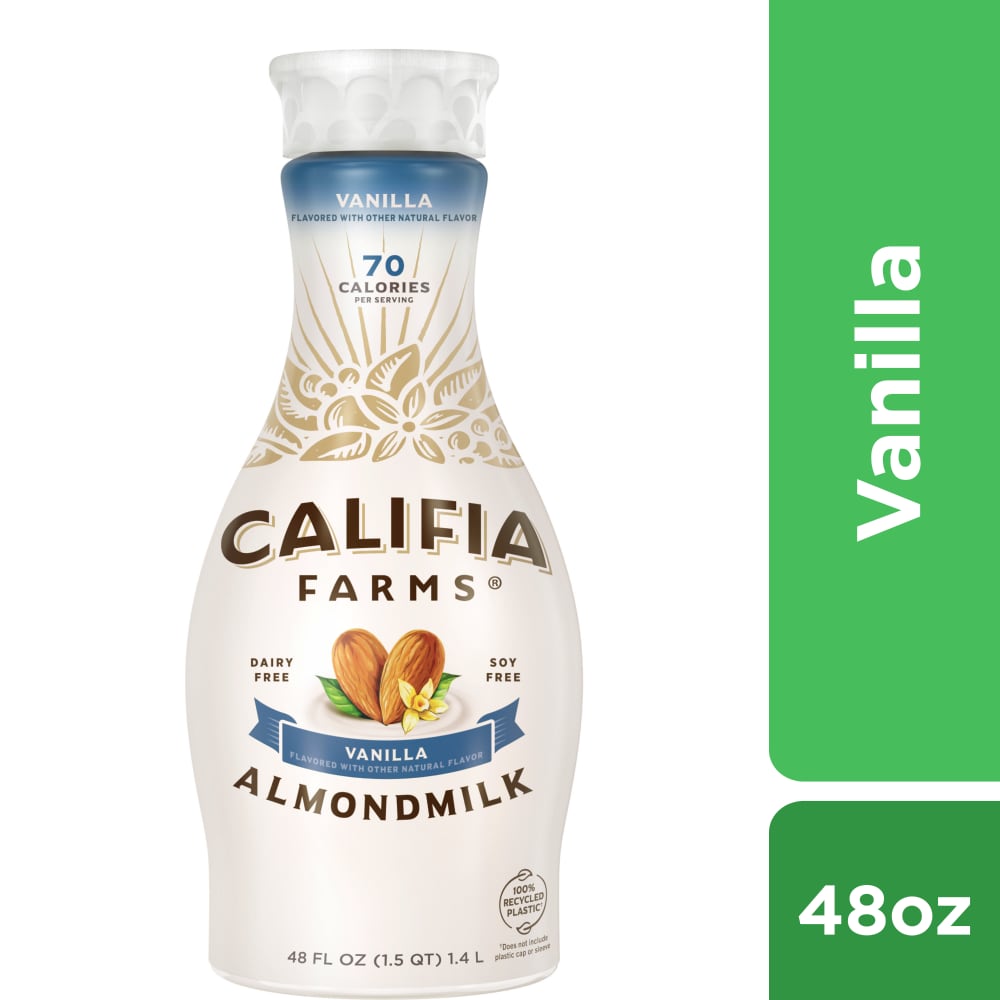
This almond milk blend is ultra-processed, which limits its score despite having some beneficial ingredients like almondmilk and coconut cream. The presence of additives such as sunflower lecithin, natural flavors, and carrageenan, which are processed and can pose health concerns, further impacts the rating. While it avoids seed oils and artificial sweeteners, the level of processing and use of additives prevent a higher score.
Key ingredients 10
AlmondmilkGood
Almondmilk is a plant-based milk alternative that is low in calories and naturally lactose-free. It is made from almonds and filtered water, providing a source of vitamin E and healthy fats. The minimal processing retains some of the nutritional benefits of almonds.
Risks
Potential allergen for individuals with nut allergies.
Benefits
Contains vitamin E, which is an antioxidant that supports skin health and immune function.
Coconut creamGood
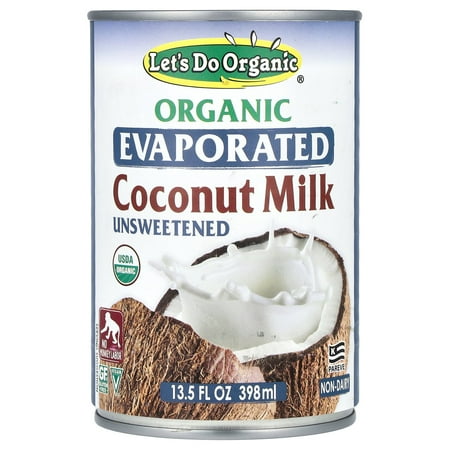
Coconut cream is a rich source of medium-chain triglycerides (MCTs), which are easily digestible fats that provide quick energy. It is derived from the flesh of coconuts and is minimally processed. The creamy texture enhances the mouthfeel of the product.
Risks
High in saturated fats, which may be a concern for individuals monitoring cholesterol levels.
Benefits
Provides MCTs that can support energy metabolism and may have antimicrobial properties.
Sea saltGood
Sea salt is a natural source of sodium and trace minerals. It is minimally processed compared to refined table salt. The inclusion of sea salt enhances flavor without excessive processing.
Risks
Excessive sodium intake can contribute to hypertension and cardiovascular issues.
Benefits
Provides essential minerals and enhances the flavor profile of foods.
Monk fruit extractGood
Beneficial ingredient — whole-food or functional value in this product class.
Benefits
Offers a natural, calorie-free sweetness without impacting blood sugar levels.
Potassium citrateNeutral
Potassium citrate is used as a buffering agent and to regulate acidity. It is synthetically produced but generally recognized as safe. It does not significantly impact the nutritional profile of the product.
Benefits
Helps maintain pH balance and can contribute to potassium intake.
Gellan gumNeutral
Gellan gum is a gelling agent used to stabilize and thicken products. It is produced through fermentation and is considered safe for consumption. It does not contribute significant nutritional value.
Risks
May cause digestive discomfort in sensitive individuals.
Benefits
Improves texture and stability of the product without adding calories.
Vitamin/mineral blendNeutral
The vitamin/mineral blend is added to fortify the product with essential nutrients like calcium and vitamins A, D, E, B12, and B2. These nutrients are important for bone health and overall wellness. The blend is synthetically produced but enhances the nutritional profile.
Benefits
Enhances the nutritional value by providing essential vitamins and minerals.
Sunflower lecithinBad
Sunflower lecithin is used as an emulsifier to improve texture and consistency. It is derived from sunflower seeds and involves chemical processing. While it is less concerning than seed oils, it is still a processed additive.
Risks
May cause digestive issues in sensitive individuals.
Benefits
Helps maintain product stability and texture without contributing significant calories.
Natural flavorsBad
Natural flavors are added to enhance taste but lack transparency regarding their specific composition. They are often derived from natural sources but undergo significant processing. The lack of disclosure can be concerning for consumers with allergies or sensitivities.
Risks
Potential allergen risk due to undisclosed ingredients.
Benefits
Enhances the flavor profile of the product without adding calories.
CarrageenanBad
Carrageenan is a thickening agent derived from red seaweed. It is used to improve texture but has been associated with gastrointestinal inflammation in some studies. The processing method can lead to degraded forms that may pose health risks.
Risks
Potential to cause digestive inflammation and discomfort.
Benefits
Provides a creamy texture and stabilizes the product.
Processing
Ultra-Processed Foods
Get the full breakdown in the Scout appTake Scout shopping
Scan any product to see lab results, healthy alternatives, and your personalized analysis.
Download on theApp Store GET IT ONGoogle Play