
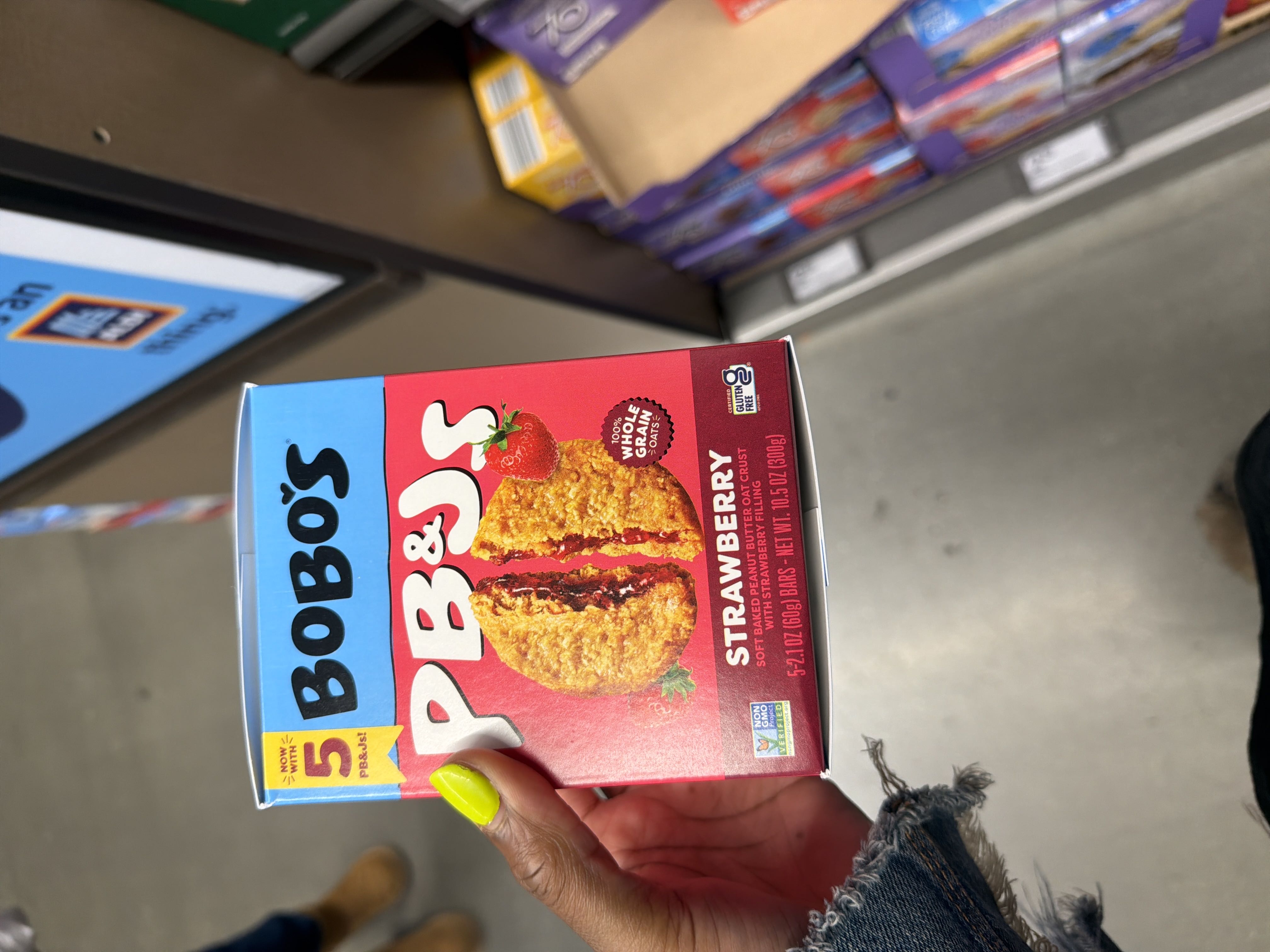

Bobo's Oat Bars PB&Js Strawberry
Analysis updated August 2026 · How Scout scores
At a glance
Summary
This snack bar contains beneficial ingredients like whole grain rolled oats, peanut butter, and coconut oil, which provide fiber, healthy fats, and protein. However, the presence of cane sugar as a refined sweetener contributes to its processing level and reduces its overall healthiness. The product is processed, which limits its score despite the relatively clean ingredient list.
Key ingredients 10
Whole Grain Rolled OatsGood
Whole grain rolled oats are a minimally processed source of complex carbohydrates and fiber. They provide essential nutrients like manganese, phosphorus, and magnesium. Their slow digestion helps maintain stable blood sugar levels.
Benefits
Rich in dietary fiber, which supports digestive health and may help lower cholesterol levels.
Peanut ButterGood
Peanut butter is a nutrient-dense food rich in healthy fats, protein, and vitamins like E and B3. It provides a good source of plant-based protein and healthy fats. When made without added sugars or hydrogenated oils, it is a wholesome ingredient.
Risks
Potential allergen for some individuals and can be high in calories.
Benefits
Rich in healthy fats and protein, supporting heart health and muscle maintenance.
Coconut OilGood
Coconut oil is a source of medium-chain triglycerides (MCTs) which are easily metabolized for energy. It is less processed compared to many other oils and contains lauric acid, which may have antimicrobial properties. It is a popular alternative to seed oils.
Risks
High in saturated fats, which may affect cholesterol levels if consumed in excess.
Benefits
Provides MCTs that are quickly used for energy and may support metabolic health.
Strawberry PureeGood
Strawberry puree is made from whole strawberries, providing natural sweetness and nutrients like vitamin C and antioxidants. It is minimally processed and retains the fruit's natural benefits. It adds flavor and nutritional value to products.
Benefits
Rich in vitamin C and antioxidants, supporting immune health and reducing oxidative stress.
Sea SaltGood
Sea salt is a minimally processed salt that retains trace minerals. It is used to enhance flavor and provide essential sodium. Unlike refined table salt, it contains additional minerals that may offer health benefits.
Risks
Excessive sodium intake can lead to high blood pressure.
Benefits
Provides essential sodium and trace minerals, supporting electrolyte balance.
Rice SyrupNeutral
Rice syrup is a sweetener derived from rice starch through enzymatic processes. It is less sweet than sugar and has a high glycemic index. It provides energy but lacks significant nutritional benefits.
Risks
High glycemic index may cause rapid spikes in blood sugar levels.
Benefits
Provides a source of energy but lacks significant nutritional benefits.
Vegetable GlycerinNeutral
Vegetable glycerin is a sugar alcohol used as a humectant and sweetener. It is derived from plant oils and is generally recognized as safe. It provides moisture retention in food products.
Risks
Excessive consumption may cause digestive discomfort.
Benefits
Helps retain moisture in food products, enhancing texture.
PectinNeutral
Pectin is a natural gelling agent derived from fruits, commonly used to thicken and stabilize foods. It is a soluble fiber that can aid in digestion. It is widely used in jams and jellies for its gelling properties.
Benefits
Provides soluble fiber that may aid in digestion and improve gut health.
Citric AcidNeutral
Citric acid is a natural preservative and flavor enhancer found in citrus fruits. It is used to add acidity and preserve freshness in food products. It is generally recognized as safe when used in food.
Risks
Excessive consumption may cause tooth enamel erosion.
Benefits
Enhances flavor and preserves freshness in food products.
Cane SugarBad
Cane sugar is a refined sweetener that contributes to calorie intake without providing essential nutrients. Excessive consumption is linked to various health issues such as obesity and dental cavities. It is often used to enhance flavor in processed foods.
Risks
High consumption can lead to obesity, insulin resistance, and dental issues.
Processing
Processed Foods
Get the full breakdown in the Scout appTake Scout shopping
Scan any product to see lab results, healthy alternatives, and your personalized analysis.
Download on theApp Store GET IT ONGoogle PlayAmazon pricing & content
Amazon price as of . Product prices and availability are accurate as of the date/time indicated and are subject to change. Any price and availability information displayed on Amazon.com at the time of purchase will apply to the purchase of this product.
CERTAIN CONTENT THAT APPEARS ON THIS SITE COMES FROM AMAZON. THIS CONTENT IS PROVIDED “AS IS” AND IS SUBJECT TO CHANGE OR REMOVAL AT ANY TIME.