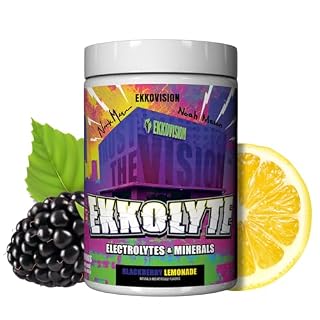
Electrolytes Powder, Watermelon

At a glance
Summary
This electrolyte powder contains beneficial ingredients like magnesium citrate and calcium citrate, which are bioavailable and support hydration and bone health. The use of natural colors from beet and black carrot juice is a positive aspect, avoiding artificial dyes. However, the inclusion of 'natural flavors' introduces some uncertainty due to lack of transparency, which slightly impacts the overall score.
Key ingredients 23
Magnesium CitrateGood
Magnesium citrate is a bioavailable form of magnesium, essential for muscle and nerve function. It is well-absorbed and supports hydration and electrolyte balance. Compared to other forms, it is less likely to cause gastrointestinal discomfort.
Risks
Excessive intake may lead to diarrhea or gastrointestinal upset.
Benefits
Supports muscle function, nerve health, and hydration.
Calcium CitrateGood
Calcium citrate is a highly absorbable form of calcium, important for bone health. It is more easily absorbed than calcium carbonate, especially in individuals with low stomach acid. It supports bone density and overall skeletal health.
Risks
Excessive intake may lead to kidney stones or hypercalcemia.
Benefits
Supports bone health and is easily absorbed.
Sodium ChlorideGood
Beneficial ingredient — whole-food or functional value in this product class.
Risks
High intake may contribute to high blood pressure.
Benefits
Essential for fluid balance and nerve function.
Ascorbic AcidGood
Ascorbic acid, or vitamin C, is an antioxidant that supports immune function and skin health. It is water-soluble and helps in the absorption of iron. It is crucial for collagen synthesis and overall health.
Risks
High doses may cause gastrointestinal upset.
Benefits
Supports immune function and acts as an antioxidant.
Potassium AspartateGood
Potassium aspartate is a compound that provides potassium, essential for muscle and nerve function. It is well-absorbed and supports electrolyte balance. It is beneficial for maintaining heart health and muscle function.
Risks
Excessive intake may lead to hyperkalemia.
Benefits
Supports heart health and muscle function.
BiotinGood
Biotin is a B-vitamin that supports hair, skin, and nail health. It plays a role in energy metabolism and is water-soluble. It is essential for the metabolism of carbohydrates, fats, and proteins.
Benefits
Supports hair, skin, and nail health.
Calcium AscorbateGood
Calcium ascorbate is a form of vitamin C combined with calcium, providing antioxidant benefits and supporting immune health. It is less acidic than ascorbic acid, making it gentler on the stomach. It also contributes to calcium intake.
Benefits
Provides vitamin C and calcium, supporting immune and bone health.
NiacinamideGood
Niacinamide is a form of vitamin B3 that supports skin health and energy metabolism. It is water-soluble and helps convert food into energy. It is beneficial for maintaining healthy skin and reducing inflammation.
Risks
High doses may cause flushing or liver damage.
Benefits
Supports skin health and energy metabolism.
Zinc CitrateGood
Zinc citrate is a bioavailable form of zinc, important for immune function and wound healing. It is well-absorbed and supports enzyme function. It is crucial for maintaining a healthy immune system.
Risks
Excessive intake may lead to nausea or copper deficiency.
Benefits
Supports immune function and wound healing.
Selenium Amino Acid ChelateGood
Selenium amino acid chelate is a form of selenium that is easily absorbed and utilized by the body. It supports antioxidant activity and thyroid function. It is essential for protecting cells from oxidative damage.
Risks
High doses may lead to selenium toxicity.
Benefits
Supports antioxidant activity and thyroid health.
D-Calcium PantothenateGood
D-calcium pantothenate is a form of vitamin B5 that supports energy metabolism and the synthesis of coenzyme A. It is water-soluble and plays a role in the metabolism of carbohydrates, fats, and proteins. It is essential for maintaining healthy skin and hair.
Benefits
Supports energy metabolism and healthy skin.
Thiamin HClGood
Thiamin HCl is a form of vitamin B1 that supports energy production and nerve function. It is water-soluble and essential for converting carbohydrates into energy. It is crucial for maintaining healthy nerve and muscle function.
Benefits
Supports energy production and nerve health.
Copper GluconateGood
Copper gluconate is a form of copper that supports iron metabolism and the formation of red blood cells. It is well-absorbed and essential for maintaining healthy connective tissues and immune function. It also acts as an antioxidant.
Risks
Excessive intake may lead to copper toxicity.
Benefits
Supports iron metabolism and immune function.
Chromium PolynicotinateGood
Chromium polynicotinate is a form of chromium that supports glucose metabolism and insulin sensitivity. It is well-absorbed and helps maintain healthy blood sugar levels. It is beneficial for individuals with insulin resistance.
Benefits
Supports glucose metabolism and insulin sensitivity.
Citric AcidNeutral
Citric acid is a natural preservative and flavor enhancer. It is commonly used in food and beverages to add a sour taste. It is generally recognized as safe when consumed in typical amounts.
Risks
High consumption may cause tooth enamel erosion.
Benefits
Acts as a natural preservative and enhances flavor.
DL-Malic AcidNeutral
DL-malic acid is used to enhance flavor and improve the tartness of products. It is a synthetic form of malic acid, which occurs naturally in fruits. It is generally safe in moderate amounts.
Risks
Excessive consumption may cause gastrointestinal discomfort.
Benefits
Enhances flavor and may improve energy production.
Dipotassium PhosphateNeutral
Dipotassium phosphate is used as an electrolyte and stabilizer in food products. It provides potassium, which is essential for heart and muscle function. It is generally recognized as safe in moderate amounts.
Risks
High intake may lead to imbalances in phosphate levels.
Benefits
Provides potassium, supporting heart and muscle health.
Rebaudioside ANeutral
Rebaudioside A is a steviol glycoside derived from stevia, used as a natural sweetener. It provides sweetness without calories and is generally considered safe. It is a preferred alternative to artificial sweeteners.
Benefits
Provides calorie-free sweetness.
SilicaNeutral
Silica is used as an anti-caking agent to prevent clumping in powdered products. It is naturally occurring and generally recognized as safe. It does not contribute to nutritional value.
Benefits
Prevents clumping and maintains product consistency.
Beet (Color)Neutral
Beet color is a natural coloring agent derived from beets. It is used to provide a red hue to products without synthetic dyes. It is generally safe and does not affect flavor.
Benefits
Provides natural color without synthetic dyes.
Black Carrot Juice (Color)Neutral
Black carrot juice is used as a natural coloring agent. It provides a purple hue and is derived from carrots, offering a natural alternative to synthetic dyes. It is safe and does not alter flavor.
Benefits
Provides natural color without synthetic dyes.
Sodium MolybdateNeutral
Sodium molybdate is a source of molybdenum, a trace mineral important for enzyme function. It is required in very small amounts and supports the metabolism of sulfur-containing amino acids. It is generally safe in trace amounts.
Benefits
Supports enzyme function and amino acid metabolism.
Natural FlavorsBad
Natural flavors are a catch-all term for flavoring agents derived from natural sources. They lack transparency and may contain additives or allergens. The term does not guarantee the absence of synthetic processing.
Risks
Potential allergens or additives may be present without disclosure.
Benefits
Enhances flavor without adding calories.
Processing
Ultra-Processed Foods
Get the full breakdown in the Scout appTake Scout shopping
Scan any product to see lab results, healthy alternatives, and your personalized analysis.
Are you Key Nutrients? Fix an error Get the badge Get tested