
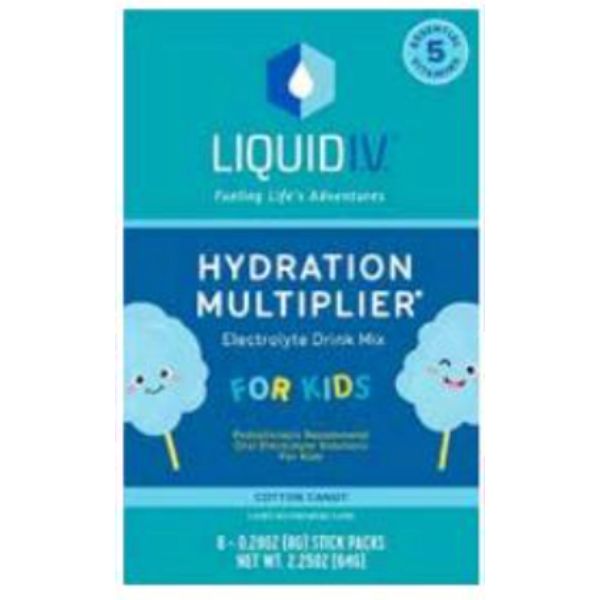


2.25 oz Kids Cotton Candy Electrolyte Drink Mix - 8 Count
Analysis updated August 2026 · How Scout scores
At a glance
Summary
This electrolyte drink mix contains beneficial ingredients like potassium citrate and vitamin C, which support hydration and immune function. However, it also includes pure cane sugar and dextrose, which contribute to high sugar content and can lead to spikes in blood sugar levels. The presence of natural flavors adds to the processing level, but the absence of artificial dyes and sweeteners is a positive aspect.
Key ingredients 16
Vitamin B3 (Niacinamide)Very Good
Vitamin B3, or niacinamide, supports energy metabolism and skin health. It plays a role in DNA repair and the production of stress-related hormones. It is beneficial for maintaining healthy cholesterol levels.
Risks
High doses can cause flushing and liver damage.
Benefits
Supports energy metabolism and healthy cholesterol levels.
Pantothenic Acid (Calcium D-Pantothenate)Very Good
Pantothenic acid is essential for synthesizing coenzyme A, crucial for fatty acid metabolism. It supports adrenal function and energy production. It is beneficial for maintaining healthy skin and reducing stress.
Benefits
Supports energy production and healthy skin.
Vitamin B6 (Pyridoxine Hydrochloride)Very Good
Vitamin B6 is vital for protein metabolism and cognitive development. It supports neurotransmitter synthesis and immune function. It is beneficial for mood regulation and reducing inflammation.
Risks
Excessive intake can lead to nerve damage.
Benefits
Supports cognitive development and mood regulation.
Vitamin B12 (Cyanocobalamin)Very Good
Vitamin B12 is crucial for red blood cell formation and neurological function. It supports DNA synthesis and energy production. It is beneficial for preventing anemia and supporting brain health.
Benefits
Prevents anemia and supports brain health.
SaltGood
Beneficial ingredient — whole-food or functional value in this product class.
Risks
Excessive salt intake can lead to hypertension and cardiovascular issues.
Benefits
Essential for maintaining fluid balance and nerve function.
Potassium CitrateGood
Potassium citrate is a source of potassium, an essential electrolyte that supports heart and muscle function. It helps maintain acid-base balance in the body. It is beneficial in preventing kidney stones and supporting cardiovascular health.
Risks
Excessive intake can lead to hyperkalemia, especially in individuals with kidney issues.
Benefits
Supports cardiovascular health and helps prevent kidney stones.
Sodium CitrateGood
Sodium citrate acts as an electrolyte and helps regulate acidity in the body. It is beneficial in maintaining hydration and preventing muscle cramps. It is commonly used in sports drinks for its electrolyte properties.
Risks
Excessive consumption can contribute to high sodium levels, leading to hypertension.
Benefits
Helps maintain hydration and prevent muscle cramps.
Vitamin C (Ascorbic Acid)Good
Vitamin C is a powerful antioxidant that supports immune function and skin health. It is essential for collagen synthesis and helps protect cells from oxidative damage. It enhances iron absorption and supports overall health.
Risks
Excessive intake can lead to gastrointestinal discomfort.
Benefits
Supports immune function and enhances iron absorption.
Spirulina Extract (Color)Good
Spirulina extract is used as a natural colorant and is rich in nutrients like protein, vitamins, and minerals. It is a source of antioxidants and supports immune health. It is a clean alternative to artificial dyes.
Benefits
Rich in nutrients and provides natural color.
Citric AcidNeutral
Citric acid is a natural preservative and flavor enhancer commonly used in food products. It is generally recognized as safe and helps to balance acidity. It does not provide significant nutritional benefits or risks.
Benefits
Helps enhance flavor and preserve the product.
Potassium PhosphateNeutral
Standard formulation ingredient — neither beneficial nor harmful at typical use.
Risks
Excessive intake can lead to imbalances in phosphorus levels, affecting bone health.
Benefits
Supports energy production and bone health.
Silicon DioxideNeutral
Silicon dioxide is used as an anti-caking agent to prevent clumping in powdered products. It is generally recognized as safe and does not contribute to nutritional value. It is inert and passes through the body without being absorbed.
Benefits
Prevents clumping and maintains product consistency.
Stevia Leaf Extract (Rebaudioside A)Neutral
Stevia leaf extract is a natural, zero-calorie sweetener used as a sugar substitute. It is derived from the stevia plant and is considered safe for consumption. It does not affect blood sugar levels, making it suitable for diabetics.
Benefits
Provides sweetness without calories or affecting blood sugar levels.
DextroseBad
Dextrose is a simple sugar that can rapidly increase blood glucose levels. It is often used as a sweetener and can contribute to excessive sugar intake. While it provides quick energy, it lacks nutritional value.
Risks
Excessive intake can lead to weight gain and increased risk of metabolic diseases.
Benefits
Provides quick energy but lacks other nutritional benefits.
Natural FlavorsBad
Natural flavors are often used to enhance taste but can be a catch-all for various additives. The lack of transparency in their composition can be concerning. They do not provide nutritional benefits and may include allergens.
Risks
Potential allergens and lack of transparency in ingredient composition.
Pure Cane SugarVery Bad
Pure cane sugar is classified as very_bad due to its high glycemic index and contribution to excessive calorie intake. It is a refined sugar that can lead to spikes in blood sugar levels. Consuming high amounts of sugar is linked to obesity and metabolic disorders.
Risks
High consumption of sugar can lead to obesity, type 2 diabetes, and dental cavities.
Processing
Ultra-Processed Foods
Get the full breakdown in the Scout appTake Scout shopping
Scan any product to see lab results, healthy alternatives, and your personalized analysis.
Download on theApp Store GET IT ONGoogle Play