

At a glance
Summary
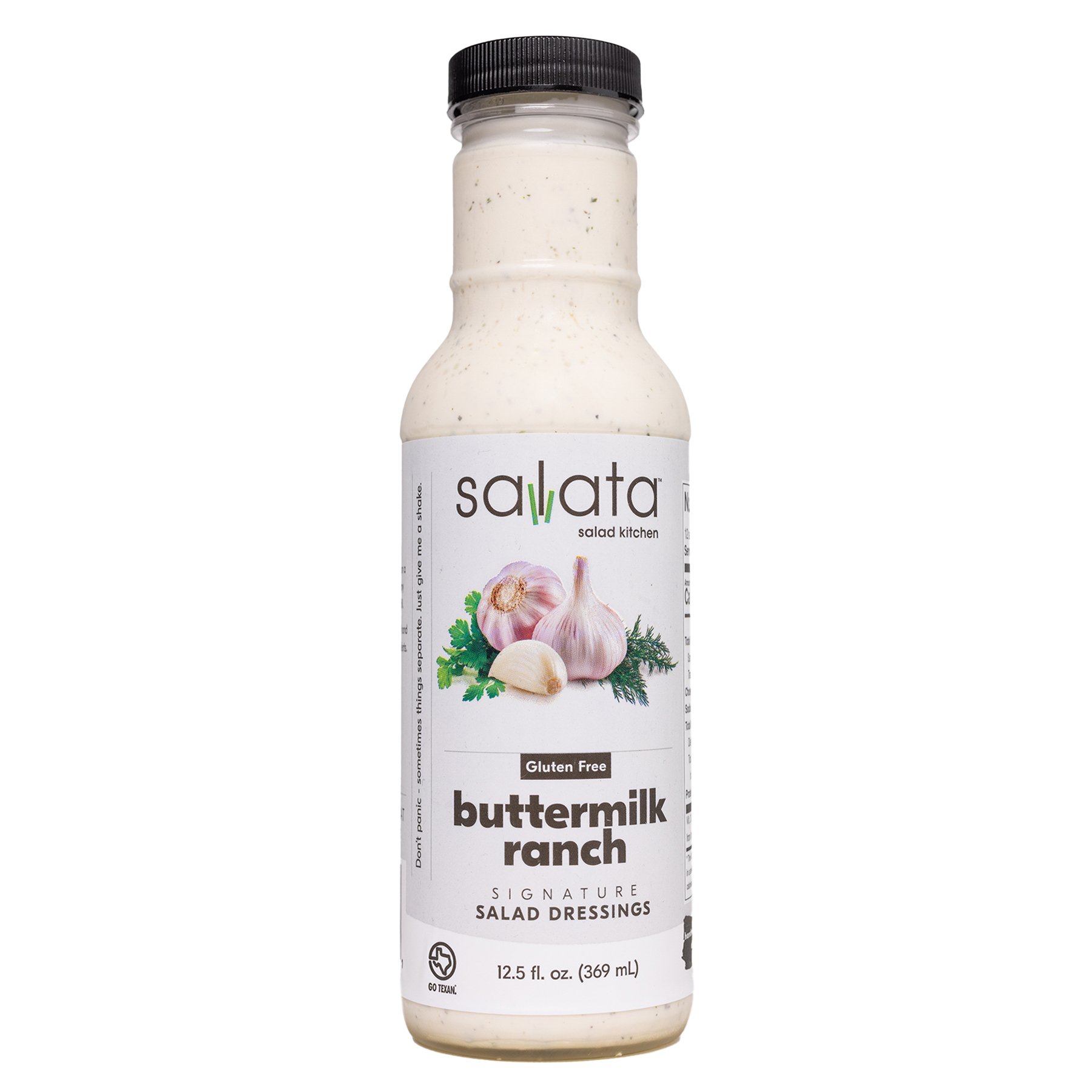
This buttermilk ranch salad dressing contains a mix of beneficial ingredients like buttermilk, fresh herbs, and garlic, which contribute to its nutritional value. However, the presence of sunflower oil, a seed oil high in omega-6 fatty acids, and the use of xanthan gum as a thickener indicate a moderate level of processing. While the ingredient list is relatively clean, the inclusion of a seed oil and the processed nature of the product limit its overall healthiness.
Key ingredients 15
ButtermilkGood
Buttermilk is a fermented dairy product that provides probiotics beneficial for gut health. It is a source of calcium and vitamin D, supporting bone health. The fermentation process enhances its digestibility compared to regular milk.
Risks
May cause issues for individuals with lactose intolerance.
Benefits
Contains probiotics that support digestive health and is a good source of calcium and vitamin D.
Sour CreamGood
Sour cream is a fermented dairy product that adds a tangy flavor to foods. It contains probiotics that can aid in digestion. The fermentation process also makes it easier to digest for some people compared to unfermented dairy.
Risks
Contains lactose, which may be problematic for those with lactose intolerance.
Benefits
Rich in probiotics and provides a source of calcium and vitamin A.
Lemon JuiceGood
Lemon juice is a natural source of vitamin C and antioxidants. It adds a fresh, tangy flavor to dishes. The acidity can help preserve the freshness of other ingredients.
Benefits
High in vitamin C, which supports immune function and skin health.
Fresh ChivesGood
Fresh chives are a flavorful herb rich in vitamins A and C. They add a mild onion flavor to dishes without overpowering them. Chives also contain antioxidants that may support overall health.
Benefits
Rich in vitamins and antioxidants, supporting immune health and reducing inflammation.
Fresh DillGood
Fresh dill is an aromatic herb that provides a unique flavor and is rich in antioxidants. It contains essential oils that may have antimicrobial properties. Dill is also a source of vitamin C and manganese.
Benefits
Provides antioxidants and essential oils that may support digestive health.
Fresh Italian ParsleyGood
Fresh Italian parsley is a nutrient-dense herb high in vitamins A, C, and K. It adds a fresh, vibrant flavor to dishes. Parsley also contains flavonoids that may have anti-inflammatory effects.
Benefits
Rich in vitamins and flavonoids, supporting immune function and reducing inflammation.
GarlicGood
Garlic is known for its strong flavor and potential health benefits, including antimicrobial and cardiovascular benefits. It contains allicin, which may help reduce blood pressure and cholesterol levels. Garlic is also rich in antioxidants.
Risks
May cause digestive discomfort in some individuals.
Benefits
Contains allicin and antioxidants that support heart health and immune function.
Black PepperGood
Black pepper is a common spice that enhances flavor and may aid digestion. It contains piperine, which can improve the absorption of certain nutrients. Black pepper also has antioxidant properties.
Benefits
Contains piperine, which enhances nutrient absorption and provides antioxidant benefits.
Sea SaltGood
Unrefined sea salt — a minimally processed, natural source of sodium and essential trace minerals, and a legitimate whole-food seasoning. Treated as a positive ingredient.
Risks
Excessive consumption can lead to high blood pressure and cardiovascular issues.
Benefits
Contains trace minerals that may provide additional health benefits compared to regular salt.
OnionGood
Onion is a flavorful vegetable rich in vitamins, minerals, and antioxidants. It contains quercetin, which may have anti-inflammatory and antihistamine effects. Onions also support heart health and immune function.
Risks
May cause digestive discomfort in some individuals.
Benefits
Rich in antioxidants and quercetin, supporting heart health and reducing inflammation.
MayonnaiseNeutral
Mayonnaise is an emulsion of oil, egg yolk, and vinegar or lemon juice. It provides a creamy texture and flavor to dishes. The quality of mayonnaise depends on the type of oil used, which can vary.
Risks
High in calories and fat, which may contribute to weight gain if consumed in excess.
Benefits
Provides a rich source of fats that can enhance the absorption of fat-soluble vitamins.
SaltNeutral
Salt is used to enhance flavor and preserve food. It is essential for maintaining fluid balance and nerve function. However, excessive intake can lead to health issues such as hypertension.
Risks
Excessive consumption can contribute to high blood pressure and cardiovascular disease.
Benefits
Essential for fluid balance and nerve function when consumed in moderation.
WaterNeutral
Water is used as a solvent and to adjust the consistency of the dressing. It is essential for hydration and various bodily functions. In this context, it serves a functional purpose without providing additional nutrients.
Benefits
Essential for hydration and bodily functions.
Xanthan GumNeutral
Xanthan gum is a polysaccharide used as a thickening and stabilizing agent. It is produced through fermentation and is commonly used in food products to improve texture. While generally safe, it can cause digestive issues in large amounts.
Risks
May cause digestive discomfort if consumed in large quantities.
Benefits
Improves texture and stability of food products.
Non-GMO Sunflower OilVery Bad
Sunflower oil is a seed oil high in omega-6 fatty acids, which can promote inflammation if consumed in excess. It is often refined, which can strip away beneficial nutrients. Despite being non-GMO, it is still considered a less healthy oil option compared to alternatives like olive oil.
Risks
High omega-6 content may promote inflammation when consumed in excess.
Processing
Processed Foods
Get the full breakdown in the Scout appTake Scout shopping
Scan any product to see lab results, healthy alternatives, and your personalized analysis.
Download on theApp Store GET IT ONGoogle Play