


At a glance
Summary
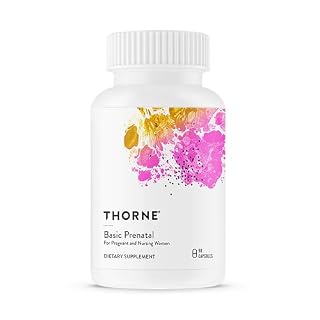
This supplement contains a wide range of vitamins and minerals in bioavailable forms, which are beneficial for overall health. However, the presence of natural flavors, which lack transparency, and a relatively high number of additives slightly detract from its overall quality. Despite these concerns, the formulation includes many beneficial ingredients that support various health functions.
Key ingredients 16
Vitamin CVery Good
Vitamin C is a powerful antioxidant that supports immune function and skin health. Ascorbic acid is a common and effective form of Vitamin C. It enhances iron absorption and collagen synthesis.
Risks
High doses may cause gastrointestinal discomfort.
Benefits
Boosts immune function and acts as a potent antioxidant.
Vitamin DVery Good
Vitamin D is crucial for bone health and immune function. Cholecalciferol (VegD3) is a plant-based form that is effective in raising vitamin D levels. It supports calcium absorption and bone health.
Risks
Excessive intake can lead to hypercalcemia.
Benefits
Supports bone health and enhances immune function.
FolateVery Good
Folate is essential for DNA synthesis and cell division. Quatrefolic is a bioavailable form that bypasses common genetic mutations. It is crucial for prenatal health and red blood cell formation.
Benefits
Supports DNA synthesis and prenatal health.
Vitamin AGood
Vitamin A is essential for vision, immune function, and skin health. Retinyl palmitate is a stable form of Vitamin A used in supplements. It is well-absorbed and supports overall health.
Risks
Excessive intake can lead to toxicity, particularly in supplement form.
Benefits
Supports vision, immune function, and skin health.
Vitamin EGood
Vitamin E acts as an antioxidant, protecting cells from oxidative damage. D-Alpha tocopheryl succinate is a natural form used in supplements. It supports skin health and immune function.
Risks
High doses may interfere with blood clotting.
Benefits
Protects cells from oxidative damage and supports skin health.
Vitamin KGood
Vitamin K is essential for blood clotting and bone health. Phylloquinone is a natural form found in green leafy vegetables. It supports bone mineralization and cardiovascular health.
Benefits
Supports blood clotting and bone health.
ThiaminGood
Thiamin is vital for energy metabolism and nerve function. Thiamin HCl is a stable form used in supplements. It supports carbohydrate metabolism and energy production.
Benefits
Supports energy metabolism and nerve function.
RiboflavinGood
Riboflavin is important for energy production and cellular function. It is a water-soluble vitamin that supports the metabolism of fats, drugs, and steroids. It also acts as an antioxidant.
Benefits
Supports energy production and acts as an antioxidant.
NiacinGood
Niacin supports energy metabolism and DNA repair. Niacinamide is a form that does not cause flushing. It is important for skin health and cholesterol management.
Risks
High doses may cause liver damage.
Benefits
Supports energy metabolism and skin health.
Vitamin B6Good
Vitamin B6 is crucial for amino acid metabolism and neurotransmitter synthesis. Pyridoxine HCl is a common form used in supplements. It supports brain health and mood regulation.
Risks
High doses can cause nerve damage.
Benefits
Supports brain health and neurotransmitter synthesis.
Vitamin B12Good
Vitamin B12 is vital for nerve function and red blood cell formation. Methylcobalamin is a bioactive form that is readily absorbed. It supports energy production and neurological health.
Benefits
Supports nerve function and energy production.
CholineGood
Choline is important for liver function and brain development. Choline bitartrate is a common form used in supplements. It supports cognitive function and lipid metabolism.
Risks
High doses may cause fishy body odor.
Benefits
Supports brain development and liver function.
CalciumGood
Calcium is essential for bone health and muscle function. Calcium citrate and calcium phosphate are well-absorbed forms. They support bone density and cardiovascular health.
Risks
Excessive intake can lead to kidney stones.
Benefits
Supports bone health and muscle function.
MagnesiumGood
Magnesium is crucial for muscle and nerve function. Magnesium glycinate is a highly absorbable form that is gentle on the stomach. It supports energy production and bone health.
Risks
High doses can cause diarrhea.
Benefits
Supports muscle function and energy production.
ZincGood
Zinc is important for immune function and wound healing. Zinc citrate is a bioavailable form used in supplements. It supports enzyme function and DNA synthesis.
Risks
Excessive intake can interfere with copper absorption.
Benefits
Supports immune function and enzyme activity.
Natural FlavorsBad
Natural flavors are often used to enhance taste but lack transparency. They can contain a variety of undisclosed ingredients. This lack of transparency can be concerning for those with allergies or sensitivities.
Risks
Potential allergens or sensitivities due to undisclosed ingredients.
Processing
Ultra-Processed Foods
Get the full breakdown in the Scout appTake Scout shopping
Scan any product to see lab results, healthy alternatives, and your personalized analysis.
Download on theApp Store GET IT ONGoogle Play