
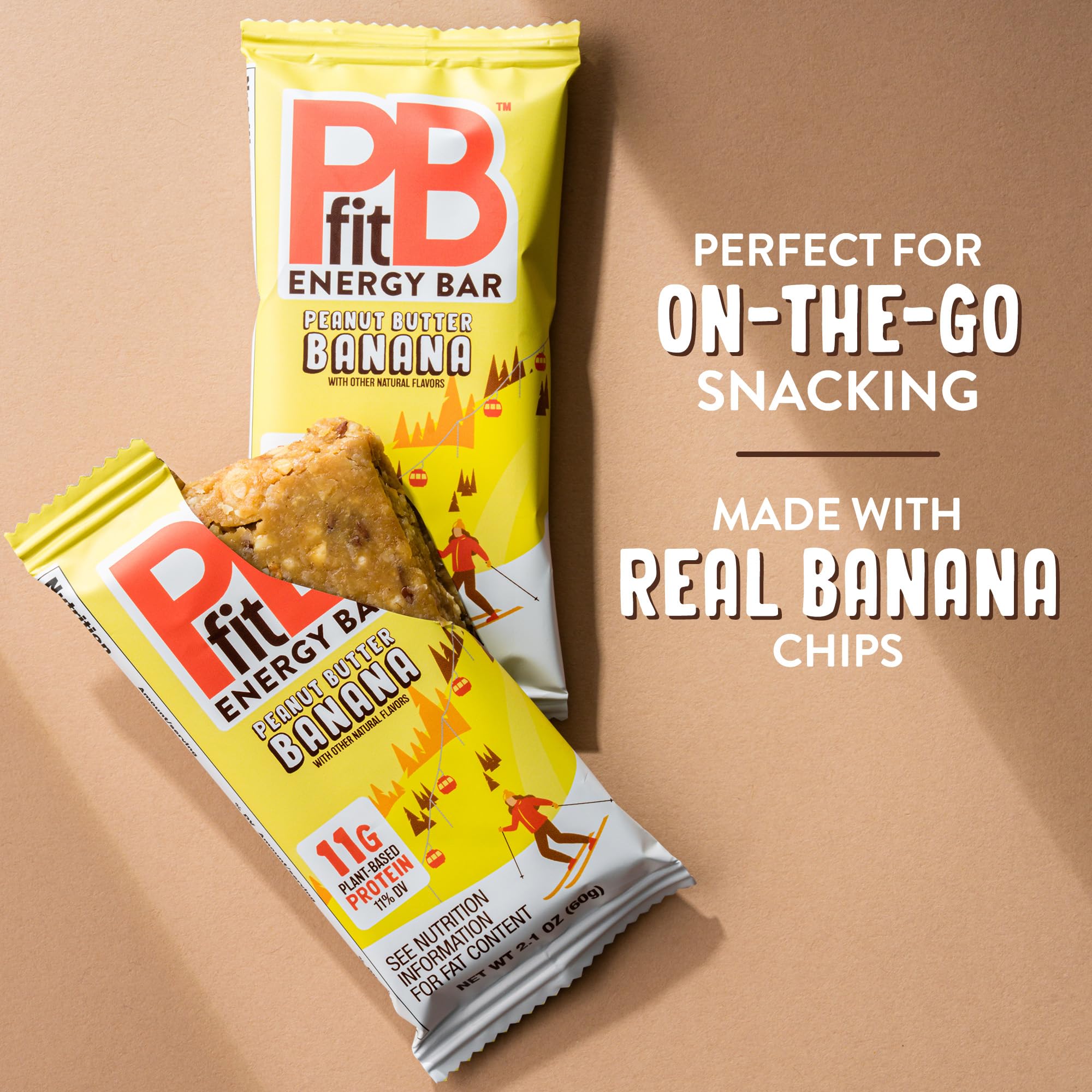
PBfit Energy Bar Peanut Butter Banana
Analysis updated September 2026 · How Scout scores
At a glance
Summary
The PBfit Energy Bar Peanut Butter Banana contains several beneficial ingredients such as peanut butter, whole grain oats, and flax seeds, which provide healthy fats, fiber, and essential nutrients. However, the presence of canola oil and natural flavors, along with its processed nature, detracts from its overall healthiness. The bar's processing level and inclusion of less transparent ingredients like natural flavors limit its score.
Key ingredients 16
Whole grain oatsVery Good
Whole grain oats are a rich source of dietary fiber and essential nutrients. They help in maintaining healthy cholesterol levels and provide sustained energy. Oats are minimally processed, retaining most of their nutritional value.
Benefits
High in fiber, supporting digestive health and providing long-lasting energy.
Flax seedsVery Good
Flax seeds are high in omega-3 fatty acids and fiber. They support heart health and have anti-inflammatory properties. The seeds are minimally processed, retaining their full nutritional benefits.
Benefits
Rich in omega-3s and fiber, supporting cardiovascular and digestive health.
Peanut butterGood
Peanut butter is a good source of protein and healthy fats. It provides essential nutrients like vitamin E, magnesium, and potassium. The natural oils in peanuts support heart health.
Risks
Potential allergen for individuals with peanut allergies.
Benefits
Rich in monounsaturated fats and protein, supporting heart health and muscle maintenance.
Peanut piecesGood
Peanut pieces add texture and are a source of protein and healthy fats. They contain nutrients like niacin and folate. Peanuts are minimally processed, retaining their nutritional benefits.
Risks
Potential allergen for individuals with peanut allergies.
Benefits
Contribute protein and healthy fats, supporting heart health and energy levels.
Sunflower seedsGood
Sunflower seeds are rich in healthy fats, protein, and vitamins like E and B6. They support heart health and provide antioxidants. The seeds are minimally processed, preserving their nutritional content.
Risks
High in calories, which may contribute to weight gain if consumed in excess.
Benefits
Rich in healthy fats and antioxidants, supporting cardiovascular health.
DatesGood
Dates are a natural sweetener rich in fiber and essential minerals. They provide energy and nutrients like potassium and magnesium. Dates are minimally processed, retaining their natural benefits.
Risks
High in natural sugars, which may impact blood sugar levels if consumed in excess.
Benefits
Provide natural sweetness and are rich in fiber and essential minerals.
Sea saltGood
Sea salt is a natural source of sodium and trace minerals. It is less processed than table salt and retains beneficial minerals. Sea salt enhances flavor and provides essential electrolytes.
Risks
Excessive sodium intake can lead to high blood pressure.
Benefits
Provides essential minerals and enhances flavor with less processing than table salt.
Soluble tapioca syrupNeutral
Soluble tapioca syrup is a natural sweetener derived from cassava root. It is used as a binding agent and provides sweetness without refined sugars. It has a lower glycemic index compared to traditional sugars.
Risks
May contribute to calorie intake without significant nutritional benefits.
Benefits
Provides sweetness with a lower glycemic impact than refined sugars.
Brown rice protein isolateNeutral
Brown rice protein isolate is a plant-based protein source. It provides essential amino acids but lacks some found in animal proteins. It is a good alternative for those avoiding dairy or soy.
Risks
May not provide a complete amino acid profile compared to animal-based proteins.
Benefits
Offers a plant-based protein option for those with dietary restrictions.
Banana chipsNeutral
Banana chips provide flavor and some nutrients from bananas. They are often fried in coconut oil and sweetened, which can add calories. The processing reduces some of the natural benefits of fresh bananas.
Risks
High in added sugars and calories due to frying and sweetening.
Benefits
Provide a source of carbohydrates and potassium from bananas.
GranolaNeutral
Granola is a mixture of oats, sugars, and oils, providing energy and some fiber. It is often sweetened and can be high in calories. The processing involves baking, which can reduce some nutrient content.
Risks
High in added sugars and calories, which may contribute to weight gain.
Benefits
Provides fiber and energy, supporting digestive health and sustained energy.
Whole grain rice flourNeutral
Whole grain rice flour is a gluten-free flour alternative. It provides carbohydrates and some fiber. The flour is minimally processed, retaining some of the grain's nutrients.
Risks
May not provide as much fiber as whole grains.
Benefits
Offers a gluten-free carbohydrate source with some fiber.
Vegetable glycerinNeutral
Vegetable glycerin is used as a humectant and sweetener. It is derived from plant oils and is generally considered safe. It helps maintain moisture in food products.
Risks
Excessive consumption may cause digestive discomfort.
Benefits
Helps retain moisture and provides a mild sweetness without significant calories.
Peanut extractNeutral
Peanut extract is used for flavoring and provides a concentrated peanut taste. It is derived from peanuts and is generally safe. The extract is minimally processed, retaining the natural flavor.
Risks
Potential allergen for individuals with peanut allergies.
Benefits
Enhances flavor without adding significant calories or sugars.
Banana powderNeutral
Banana powder is made from dehydrated bananas and provides flavor and nutrients. It retains some of the natural benefits of bananas, such as potassium. The powder is minimally processed, preserving its nutritional content.
Benefits
Provides banana flavor and nutrients like potassium.
Natural flavorsBad
Natural flavors are used to enhance taste but lack transparency in their composition. They can contain a variety of compounds, some of which may not be beneficial. The lack of disclosure makes it difficult to assess their health impact.
Risks
Potential for undisclosed additives and allergens.
Benefits
Enhances flavor without adding calories.
Processing
Processed Foods
Get the full breakdown in the Scout appTake Scout shopping
Scan any product to see lab results, healthy alternatives, and your personalized analysis.
Download on theApp Store GET IT ONGoogle Play