


At a glance
Summary
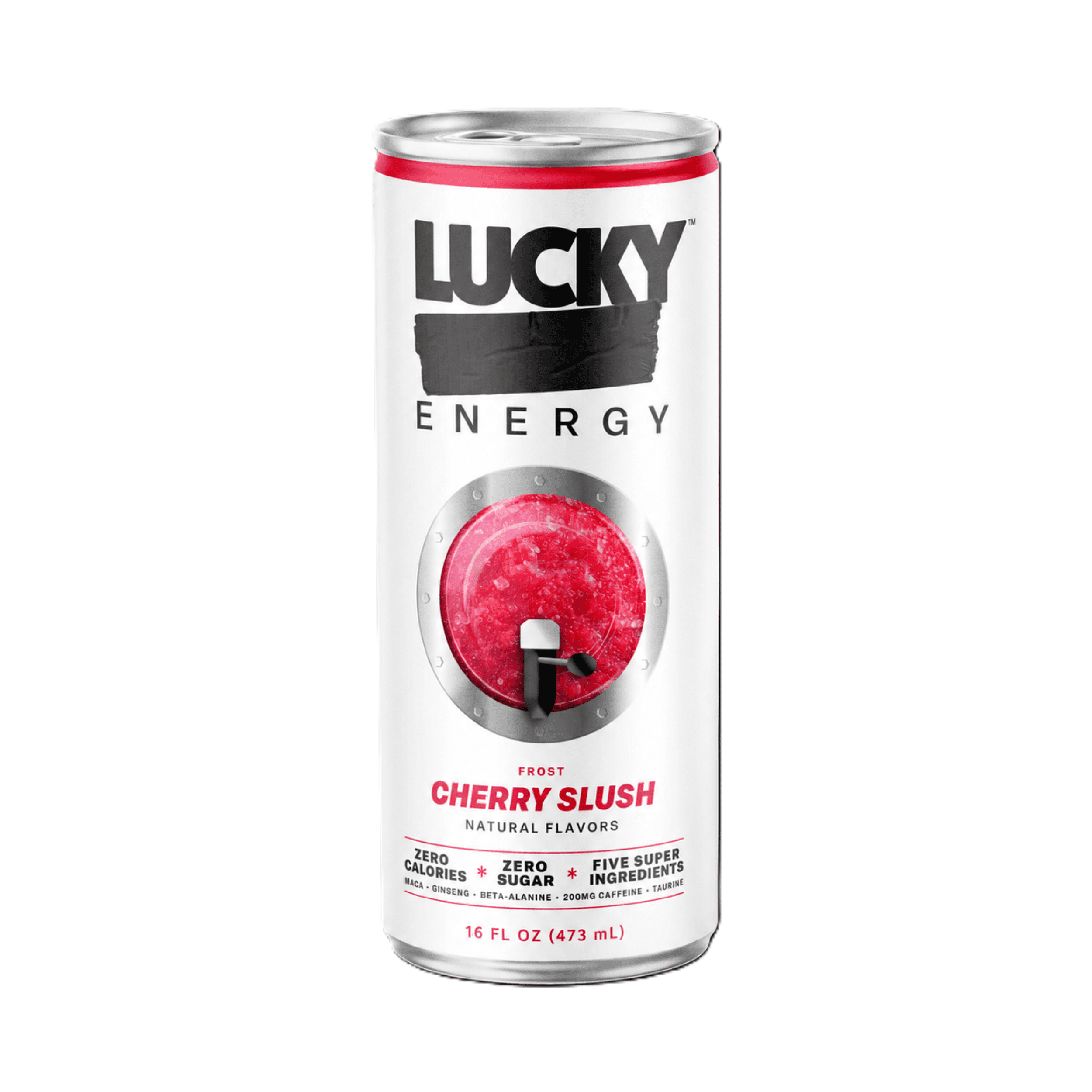
This energy drink contains beneficial ingredients like taurine and beta alanine, which support energy metabolism and exercise performance. However, it is penalized for the presence of sucralose, a controversial artificial sweetener, and sodium benzoate, a preservative with potential health concerns. The use of 'natural flavors' also detracts from a clean label, contributing to its processing level.
Key ingredients 11
TaurineGood
Taurine is an amino acid that supports cardiovascular health and energy metabolism. It is often included in energy drinks for its potential to enhance physical performance. Taurine is naturally found in meat and fish.
Benefits
Supports cardiovascular health and energy metabolism.
Beta AlanineGood
Beta alanine is an amino acid that can improve exercise performance by buffering acid in muscles. It is commonly used in sports supplements for its potential to enhance endurance. Beta alanine is synthesized in the body and found in protein-rich foods.
Risks
May cause tingling sensations in high doses.
Benefits
Improves exercise performance and endurance.
WaterNeutral
Water is a neutral ingredient that serves as the base for the beverage. It is essential for hydration but does not provide additional nutritional benefits. The quality of water can vary based on source and treatment, but no significant concerns are noted here.
See more about Water →Citric AcidNeutral
Citric acid is used as a preservative and to add a sour flavor to beverages. It is generally recognized as safe but can cause dental erosion if consumed in excess. It is naturally found in citrus fruits.
Risks
Excessive consumption may lead to dental erosion.
CaffeineNeutral
Caffeine is a stimulant that can enhance alertness and physical performance. It is widely consumed and generally safe in moderate amounts, but excessive intake can lead to negative health effects. Caffeine is naturally found in coffee, tea, and some plants.
Risks
Excessive intake can lead to insomnia, jitteriness, and increased heart rate.
Benefits
Enhances alertness and physical performance.
Maca RootNeutral
Maca root is a plant-based ingredient often used for its potential to boost energy and stamina. While it is considered safe, scientific evidence supporting its benefits is limited. Maca root is traditionally used in Peruvian cuisine.
Benefits
Potential to boost energy and stamina.
Sodium CitrateNeutral
Sodium citrate is used as an acidity regulator and emulsifier in beverages. It is generally recognized as safe and has no significant health concerns. Sodium citrate is a salt derived from citric acid.
See more about Sodium Citrate →Panax GinsengNeutral
Panax ginseng is an herbal ingredient used for its potential to improve mental performance and reduce fatigue. While it is popular in traditional medicine, scientific evidence on its efficacy is mixed. It is generally considered safe in moderate amounts.
Risks
May interact with certain medications and cause side effects in high doses.
Benefits
Potential to improve mental performance and reduce fatigue.
Natural FlavorBad
Natural flavors are often used to enhance taste but lack transparency in their composition. They can contain a variety of chemicals and additives, which may not be disclosed. This lack of transparency can be concerning for consumers seeking clean labels.
Risks
Potential for undisclosed additives and chemicals.
SucraloseBad
Sucralose is an artificial sweetener used to provide sweetness without calories. It is controversial due to potential negative effects on gut health and metabolism. Despite being FDA-approved, its long-term health impacts are still debated.
Risks
Potential negative effects on gut health and metabolism.
Benefits
Provides sweetness without calories.
Sodium BenzoateBad
Sodium benzoate is a preservative used to prevent spoilage in acidic foods and beverages. It can form benzene, a carcinogen, when combined with vitamin C under certain conditions. Its use is regulated due to potential health concerns.
Risks
Potential to form benzene, a carcinogen, when combined with vitamin C.
Benefits
Prevents spoilage in acidic foods and beverages.
Processing
Ultra-Processed Foods
Get the full breakdown in the Scout appTake Scout shopping
Scan any product to see lab results, healthy alternatives, and your personalized analysis.
Download on theApp Store GET IT ONGoogle Play