



At a glance
Summary
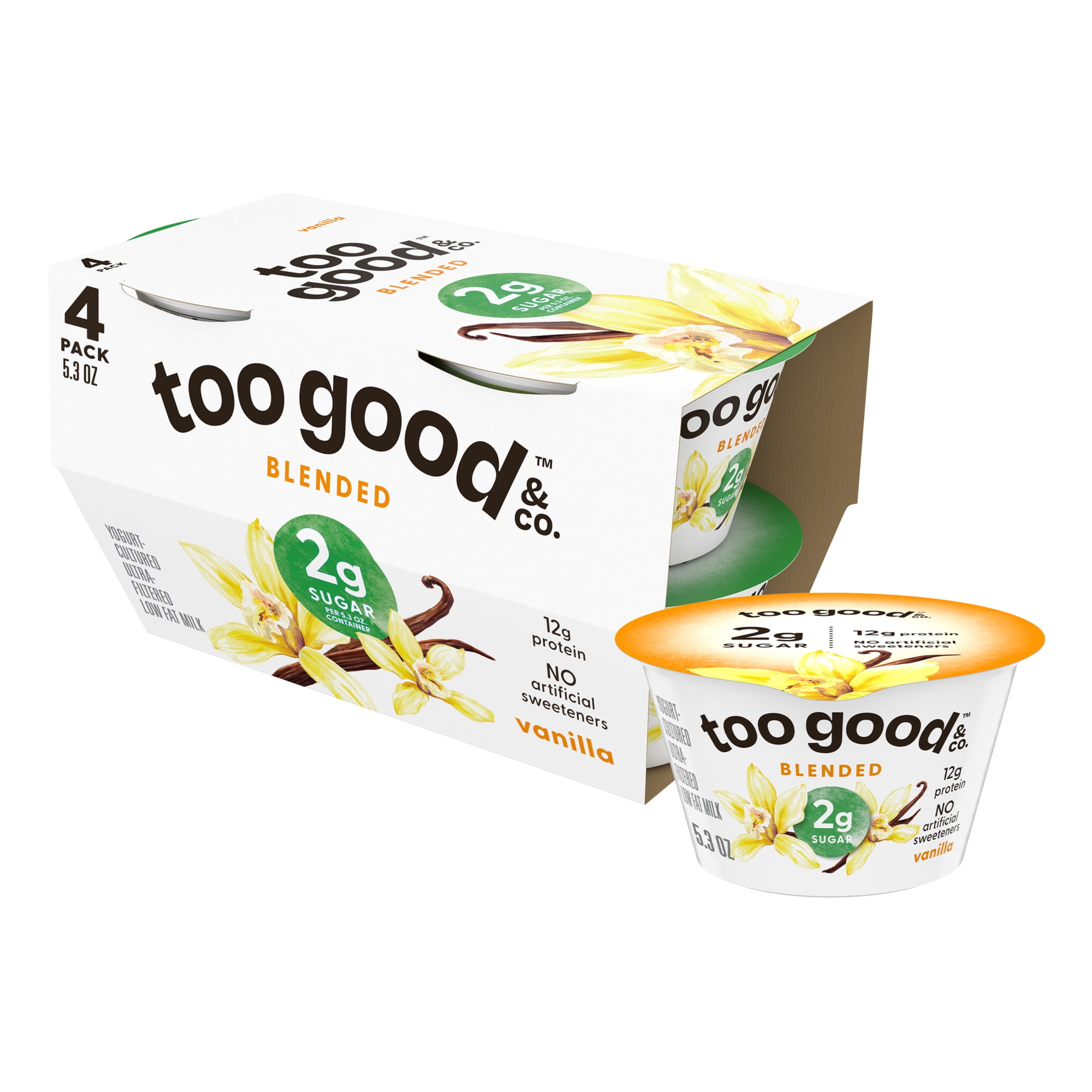
This sweetened Greek yogurt contains beneficial ingredients like cultured skim milk and live cultures, which support gut health and provide essential nutrients. However, it is classified as ultra-processed due to the presence of additives such as erythritol, tagatose, and natural flavors, which detract from its overall healthiness. The use of multiple sweeteners and flavor enhancers, despite being derived from natural sources, contributes to its processing level and limits its score.
Key ingredients 9
Cultured pasteurized grade-a skim milkGood
A primary source of protein and calcium, essential for bone health. Pasteurization ensures safety by eliminating harmful bacteria. Culturing adds probiotics that support gut health.
Benefits
Provides high-quality protein and calcium, supporting muscle and bone health. Contains probiotics that may improve digestive health.
CreamGood
A source of healthy fats and fat-soluble vitamins. Adds richness and improves texture in dairy products. When sourced from grass-fed cows, it may contain higher levels of omega-3 fatty acids.
Risks
High in saturated fats, which should be consumed in moderation to maintain heart health.
Benefits
Provides a rich source of fats and vitamins, enhancing flavor and texture in dairy products.
Monk fruit extractGood
Beneficial ingredient — whole-food or functional value in this product class.
Benefits
Provides a natural, calorie-free sweetness, suitable for low-calorie and diabetic-friendly diets.
Live and active culturesGood
Beneficial bacteria that support gut health and improve digestion. They enhance the probiotic content of yogurt, contributing to a healthy microbiome. Regular consumption may boost immune function and improve nutrient absorption.
Benefits
Supports digestive health and boosts the immune system through beneficial probiotics.
ErythritolNeutral
A sugar alcohol used as a low-calorie sweetener. It is absorbed in the small intestine and excreted unchanged, minimizing impact on blood sugar. Generally recognized as safe with minimal digestive issues compared to other sugar alcohols.
Risks
Excessive consumption may cause digestive discomfort, such as bloating or gas.
Benefits
Provides sweetness without calories, making it suitable for low-calorie diets and diabetic-friendly products.
TagatoseNeutral
A low-calorie sweetener with a similar taste to sugar. It has a minimal effect on blood glucose and insulin levels. Derived from lactose, it is less likely to cause digestive issues compared to other sweeteners.
Risks
May cause digestive discomfort in sensitive individuals if consumed in large amounts.
Benefits
Offers sweetness with fewer calories, beneficial for weight management and diabetic-friendly diets.
Xanthan gumNeutral
A polysaccharide used as a thickening and stabilizing agent. It is produced through fermentation and is commonly used in processed foods. Generally recognized as safe, though it provides no nutritional benefits.
Risks
May cause digestive issues such as gas or bloating in sensitive individuals.
Benefits
Improves texture and stability in food products without adding calories.
Stevia leaf extractNeutral
A natural sweetener derived from the stevia plant, providing sweetness without calories. It is widely used as a sugar substitute and is generally recognized as safe. Does not affect blood sugar levels, making it suitable for diabetics.
Benefits
Offers a natural, calorie-free sweetness, beneficial for weight management and diabetic-friendly diets.
Natural flavorsBad
A catch-all term for flavoring agents derived from natural sources. The lack of specificity can mask a wide range of substances, some of which may be heavily processed. Often used to enhance taste without providing nutritional benefits.
Risks
Potential for allergic reactions or sensitivities due to undisclosed components.
Processing
Ultra-Processed Foods
Get the full breakdown in the Scout appTake Scout shopping
Scan any product to see lab results, healthy alternatives, and your personalized analysis.
Download on theApp Store GET IT ONGoogle Play