



At a glance
Summary
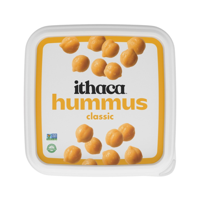
This hummus contains several beneficial ingredients such as chickpeas, beets, and fresh lemon juice, which provide essential nutrients and antioxidants. However, the presence of organic sunflower oil, a seed oil high in omega-6 fatty acids, detracts from its overall healthiness due to potential inflammatory effects. The product is moderately processed, which limits its score despite the clean ingredient list.
Key ingredients 10
ChickpeasGood
Chickpeas are a good source of plant-based protein and fiber, supporting digestive health. They are minimally processed and provide essential nutrients like iron and folate. Compared to refined grains, chickpeas have a lower glycemic index, making them a healthier carbohydrate choice.
Benefits
Rich in protein and fiber, chickpeas support satiety and digestive health. They also provide essential vitamins and minerals, contributing to overall nutritional balance.
BeetsGood
Beets are rich in dietary nitrates, which can support cardiovascular health by improving blood flow. They are minimally processed and provide antioxidants like betalains, which have anti-inflammatory properties. Beets also offer fiber and essential vitamins, enhancing their nutritional profile.
Benefits
Beets support heart health and provide antioxidants that may reduce inflammation. They are a good source of fiber and essential nutrients, contributing to a balanced diet.
Fresh Lemon JuiceGood
Fresh lemon juice is a natural source of vitamin C and antioxidants, supporting immune function and skin health. It is minimally processed and adds flavor without added sugars or artificial ingredients. Lemon juice can enhance the absorption of iron from plant-based foods.
Benefits
Rich in vitamin C, lemon juice supports immune health and enhances iron absorption. It provides antioxidants that may protect against oxidative stress.
TahiniGood
Tahini, made from sesame seeds, is a good source of healthy fats, protein, and minerals like calcium and magnesium. It is minimally processed and provides lignans, which have antioxidant properties. Compared to other seed butters, tahini offers a unique nutrient profile with beneficial fats.
Risks
Potential allergen for individuals with sesame allergies.
Benefits
Provides healthy fats and essential minerals, supporting bone health and metabolic functions. Contains antioxidants that may reduce inflammation.
Fresh GarlicGood
Fresh garlic is known for its antimicrobial and anti-inflammatory properties, supporting immune health. It is minimally processed and contains allicin, which may have cardiovascular benefits. Garlic adds flavor and potential health benefits without added calories.
Benefits
Supports immune health and may reduce inflammation. Contains compounds that may benefit heart health.
Crushed Red PepperGood
Crushed red pepper adds flavor and heat, containing capsaicin, which may boost metabolism and reduce inflammation. It is minimally processed and provides antioxidants that support overall health. Compared to other spices, it offers unique health benefits due to its capsaicin content.
Risks
May cause digestive discomfort in sensitive individuals.
Benefits
Contains capsaicin, which may boost metabolism and provide anti-inflammatory benefits.
WaterNeutral
Water is a neutral ingredient used as a solvent and to adjust the consistency of the product. It is essential for hydration but does not contribute additional nutrients. In processed foods, water helps in blending and maintaining texture.
See more about Water →VinegarNeutral
Vinegar is used as a flavor enhancer and preservative in foods. It is minimally processed and can aid in digestion by promoting the production of digestive enzymes. While it adds acidity and flavor, it does not provide significant nutritional benefits.
Benefits
May aid digestion and enhance flavor without adding calories or sugars.
SaltNeutral
Salt is used to enhance flavor and preserve food. It is a necessary nutrient for maintaining fluid balance and nerve function but should be consumed in moderation. Excessive intake can lead to health issues like hypertension.
Risks
Excessive salt intake can contribute to high blood pressure and cardiovascular issues.
Benefits
Essential for maintaining fluid balance and nerve function.
Organic Sunflower OilVery Bad
Sunflower oil is a seed oil high in omega-6 fatty acids, which can promote inflammation when consumed in excess. It is typically extracted using high-heat and chemical processes, which may degrade its nutritional quality. Compared to healthier oils like olive oil, sunflower oil is less beneficial due to its fatty acid profile.
Risks
High omega-6 content may promote inflammation when consumed in excess.
Processing
Processed Foods
Get the full breakdown in the Scout appTake Scout shopping
Scan any product to see lab results, healthy alternatives, and your personalized analysis.
Download on theApp Store GET IT ONGoogle Play