



At a glance
Summary
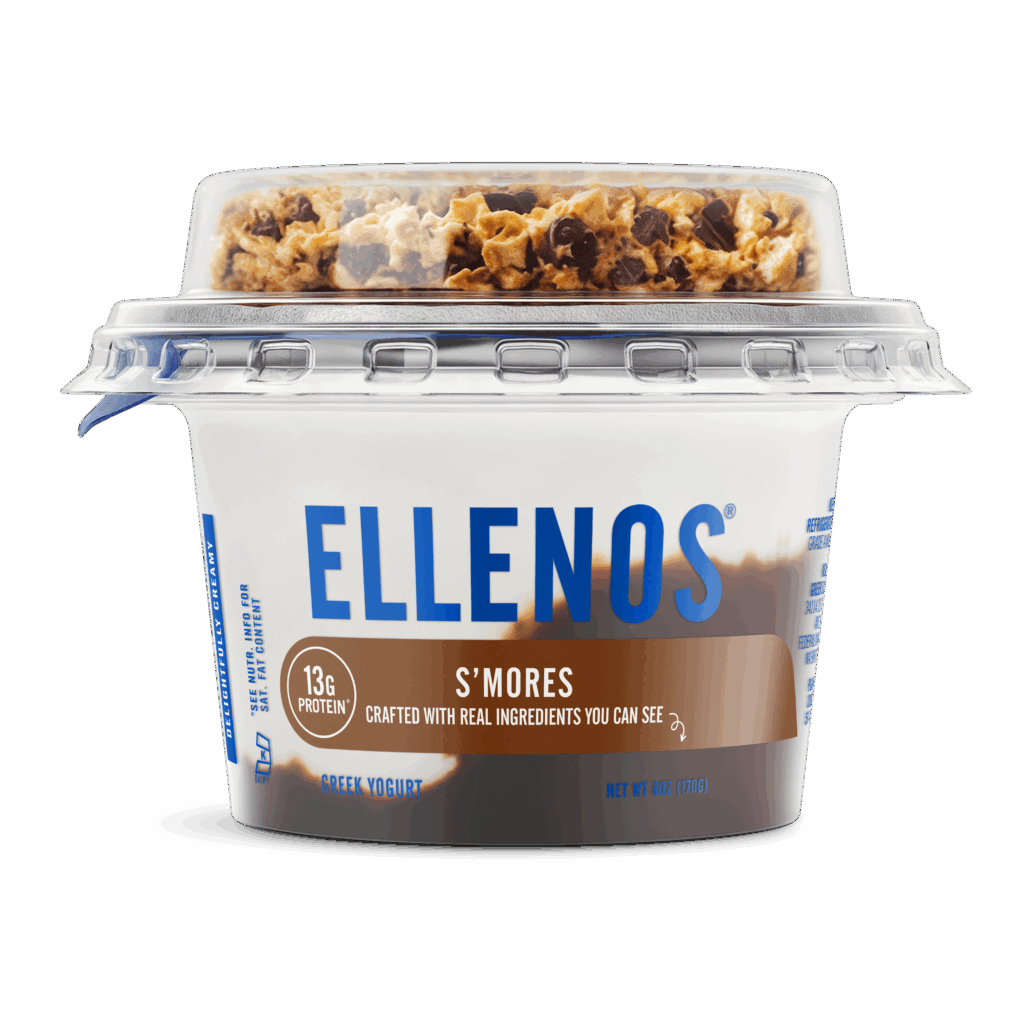
This yogurt contains several beneficial ingredients such as Grade A Milk, Milk Protein Concentrate, and Live Active Cultures, which contribute to its nutritional value. However, the presence of refined sugars like Cane Sugar and Brown Cane Sugar, along with the use of 'Natural Flavor', detracts from its healthiness. The product is moderately processed, which limits its score despite having some high-quality components.
Key ingredients 16
Grade A MilkGood
Grade A Milk is a high-quality source of protein and calcium, essential for bone health. It is minimally processed, retaining most of its natural nutrients. Compared to non-dairy alternatives, it provides a complete amino acid profile.
Risks
Potential lactose intolerance for some individuals.
Benefits
Rich in calcium and protein, supporting bone and muscle health.
Grade A Milk Protein ConcentrateGood
Milk Protein Concentrate is a high-quality protein source that supports muscle repair and growth. It is processed to concentrate protein content while retaining essential amino acids. Compared to plant-based proteins, it offers a more complete amino acid profile.
Risks
Potential allergen for those with dairy sensitivities.
Benefits
Supports muscle health and provides a complete amino acid profile.
Cocoa PowderGood
Cocoa Powder is rich in antioxidants and flavonoids, which may support heart health. It is minimally processed, retaining beneficial compounds. Compared to chocolate, it is lower in sugar and fat.
Risks
May contain caffeine, which can affect sensitive individuals.
Benefits
Rich in antioxidants that may reduce inflammation and improve heart health.
HoneyGood
Traditional whole-food sweetener with trace enzymes and antioxidants.
Risks
High sugar content can contribute to weight gain if consumed in excess.
Benefits
Contains antioxidants and may have antimicrobial properties.
Live Active CulturesGood
Live Active Cultures are beneficial probiotics that support gut health. They are added to yogurt to promote digestion and improve gut flora balance. Compared to non-fermented foods, they offer digestive health benefits.
Benefits
Supports digestive health and may enhance immune function.
Organic Whole Wheat FlourGood
Organic Whole Wheat Flour is a source of dietary fiber and essential nutrients. It is less processed than refined flours, retaining more nutrients. Compared to white flour, it offers more fiber and micronutrients.
Risks
Potential allergen for those with gluten sensitivities.
Benefits
Rich in fiber and nutrients, supporting digestive health.
CinnamonGood
Cinnamon is a spice with antioxidant and anti-inflammatory properties. It is minimally processed, retaining beneficial compounds. Compared to other spices, it may help regulate blood sugar levels.
Benefits
May help regulate blood sugar and reduce inflammation.
WaterNeutral
Water is a neutral ingredient used as a solvent and to adjust consistency. It is essential for hydration but does not contribute additional nutrients. In processed foods, it helps achieve the desired texture.
Benefits
Essential for hydration and maintaining bodily functions.
Unsalted ButterNeutral
Unsalted Butter provides flavor and texture but is high in saturated fats. It is minimally processed, retaining natural fats and vitamins. Compared to margarine, it lacks trans fats but should be consumed in moderation.
Risks
High in saturated fats, which may impact heart health if consumed in excess.
Benefits
Contains fat-soluble vitamins like A and D.
Citrus FiberNeutral
Citrus Fiber is used as a natural thickener and stabilizer in foods. It is derived from citrus fruits and is minimally processed. It provides dietary fiber but in small amounts in processed foods.
Benefits
May aid in digestion due to its fiber content.
Natural Toasted Marshmallow FlavorNeutral
Natural Toasted Marshmallow Flavor is used to mimic the taste of toasted marshmallows. It is derived from natural sources but may be processed. It provides flavor without significant nutritional benefits.
Risks
Potential for undisclosed additives or allergens.
Benefits
Enhances flavor profile without adding calories.
Semi-Sweet ChocolateNeutral
Semi-Sweet Chocolate provides flavor and some antioxidants but is high in sugar and fat. It is processed to balance sweetness and cocoa content. Compared to milk chocolate, it contains more cocoa solids.
Risks
High sugar and fat content may contribute to weight gain if consumed in excess.
Benefits
Contains antioxidants that may support heart health.
SaltNeutral
Salt is used to enhance flavor and preserve food. It is a refined form of sodium chloride, essential for bodily functions. Compared to unrefined salts, it lacks trace minerals.
Risks
Excessive intake may lead to high blood pressure and cardiovascular issues.
Benefits
Essential for maintaining fluid balance and nerve function.
Cane SugarBad
Cane Sugar is a refined sugar that can contribute to increased blood sugar levels and potential weight gain. It is processed to remove impurities, resulting in a high glycemic index. Compared to natural sweeteners, it lacks nutritional benefits.
Risks
Excessive consumption may lead to obesity, diabetes, and dental issues.
Benefits
Provides quick energy but lacks significant nutritional benefits.
Natural FlavorBad
Natural Flavor is a catch-all term for flavoring agents derived from natural sources but can be highly processed. It lacks transparency, making it difficult to assess its health impact. Compared to whole food flavors, it offers no nutritional benefits.
Risks
Potential for undisclosed allergens and additives.
Benefits
Enhances taste but lacks nutritional value.
Brown Cane SugarBad
Brown Cane Sugar is a refined sugar with molasses added for color and flavor. It is processed similarly to white sugar, with a high glycemic index. Compared to natural sweeteners, it lacks nutritional benefits.
Risks
Excessive consumption may lead to obesity, diabetes, and dental issues.
Benefits
Provides quick energy but lacks significant nutritional benefits.
Processing
Processed Foods
Get the full breakdown in the Scout appTake Scout shopping
Scan any product to see lab results, healthy alternatives, and your personalized analysis.
Download on theApp Store GET IT ONGoogle PlayAmazon pricing & content
CERTAIN CONTENT THAT APPEARS ON THIS SITE COMES FROM AMAZON. THIS CONTENT IS PROVIDED “AS IS” AND IS SUBJECT TO CHANGE OR REMOVAL AT ANY TIME.