
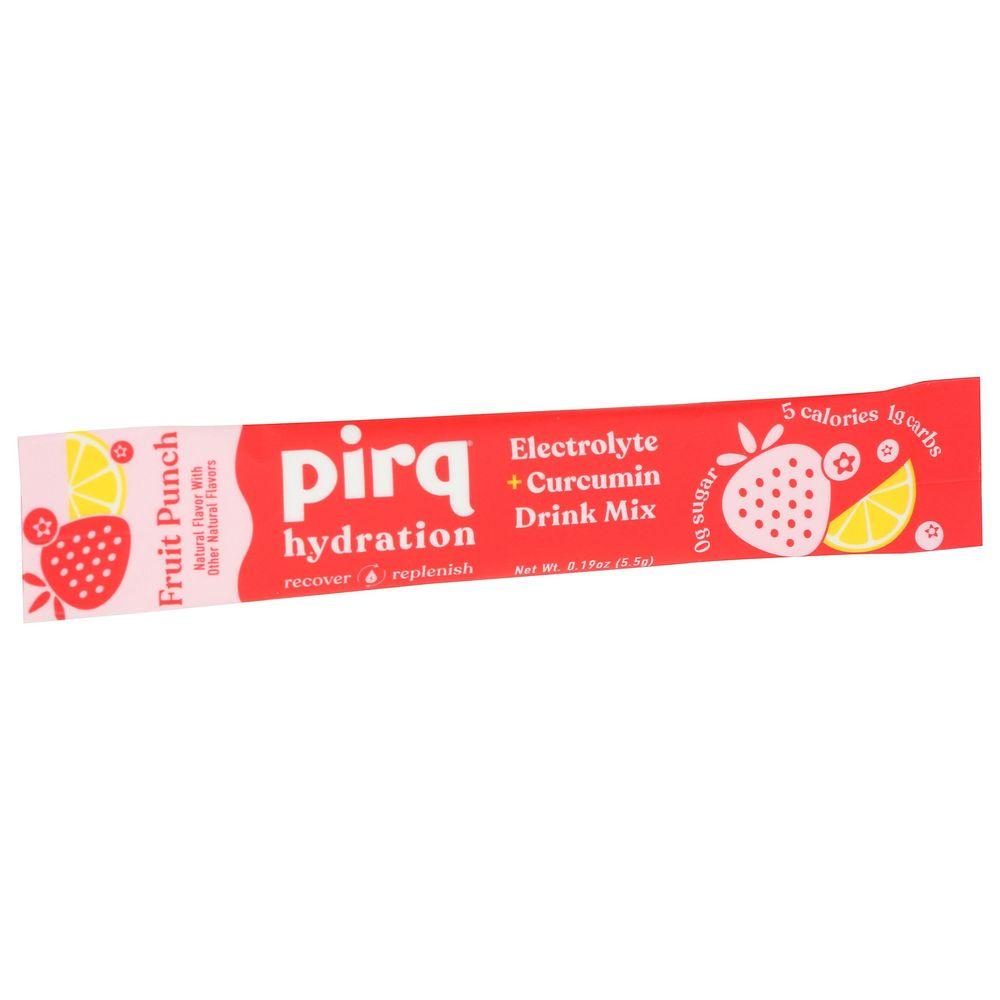

Fruit Punch Electrolyte Plus Curcumin Hydration Drink Mix
Analysis updated July 2026 · How Scout scores
At a glance
Summary
This hydration drink mix contains beneficial ingredients such as potassium citrate, magnesium citrate, and curcumin, which support electrolyte balance and offer anti-inflammatory benefits. However, the presence of 'natural flavors' introduces some concern due to the lack of transparency and potential processing involved. Despite being processed, the product maintains a relatively clean ingredient list with no artificial sweeteners or harmful additives, allowing it to score well within its category.
Key ingredients 15
CurcuminVery Good
Curcumin is the active compound in turmeric, known for its anti-inflammatory and antioxidant properties. It supports joint health and may reduce inflammation. It is a highly regarded ingredient for its potential health benefits.
Risks
High doses may cause gastrointestinal discomfort.
Benefits
Known for its anti-inflammatory and antioxidant properties.
Potassium CitrateGood
Potassium citrate is used to regulate acidity and provide potassium, an essential mineral. It helps maintain electrolyte balance and supports cardiovascular health. It is especially beneficial in hydration products for replenishing electrolytes.
Risks
Excessive intake may lead to hyperkalemia, especially in individuals with kidney issues.
Benefits
Supports electrolyte balance and cardiovascular health.
Pink Himalayan SaltGood
Pink Himalayan salt contains trace minerals and is used to enhance flavor and provide sodium, an essential electrolyte. It is less processed than regular table salt and can support hydration. Its mineral content is often highlighted as a benefit over regular salt.
Risks
Excessive sodium intake can lead to hypertension and cardiovascular issues.
Benefits
Provides essential electrolytes and trace minerals.
Magnesium CitrateGood
Magnesium citrate is a source of magnesium, an essential mineral important for muscle and nerve function. It is well-absorbed and can help prevent magnesium deficiency. It is beneficial in hydration products for muscle recovery.
Risks
Excessive intake may cause gastrointestinal issues such as diarrhea.
Benefits
Supports muscle and nerve function and helps prevent magnesium deficiency.
Sodium ChlorideGood
Beneficial ingredient — whole-food or functional value in this product class.
Risks
Excessive sodium intake can lead to hypertension and cardiovascular issues.
Benefits
Essential for maintaining fluid balance and nerve function.
Calcium AscorbateGood
Calcium ascorbate is a form of vitamin C combined with calcium, providing antioxidant benefits and supporting immune health. It is less acidic than ascorbic acid, making it gentler on the stomach. It also contributes to calcium intake.
Risks
Excessive intake may lead to gastrointestinal discomfort.
Benefits
Provides antioxidant benefits and supports immune health.
Vitamin B3Good
Vitamin B3, or niacinamide, is essential for energy metabolism and skin health. It is water-soluble and supports the conversion of food into energy. It is beneficial for maintaining healthy skin and reducing cholesterol levels.
Risks
High doses may cause flushing or liver damage.
Benefits
Supports energy metabolism and skin health.
Vitamin EGood
Vitamin E, in the form of mixed tocopherols, is a powerful antioxidant that protects cells from oxidative damage. It supports immune function and skin health. It is beneficial for its role in protecting against free radical damage.
Risks
Excessive intake may interfere with blood clotting.
Benefits
Protects cells from oxidative damage and supports immune function.
Vitamin B5Good
Vitamin B5, or D-calcium pantothenate, is essential for energy production and hormone synthesis. It is water-soluble and supports the metabolism of carbohydrates, proteins, and fats. It is beneficial for maintaining healthy skin and hair.
Benefits
Supports energy production and hormone synthesis.
Vitamin B12Good
Vitamin B12, or methylcobalamin, is crucial for nerve function and the production of red blood cells. It is water-soluble and supports DNA synthesis. It is especially important for vegetarians and vegans who may be at risk of deficiency.
Benefits
Crucial for nerve function and red blood cell production.
Citric AcidNeutral
Citric acid is commonly used as a preservative and flavor enhancer in beverages. It is naturally found in citrus fruits and is generally recognized as safe. However, excessive consumption may lead to dental erosion.
Risks
Excessive consumption may lead to dental erosion.
Malic AcidNeutral
Malic acid is a naturally occurring acid found in fruits and is used to enhance flavor. It is generally considered safe and contributes to the tartness of the product. There are no significant health concerns associated with its consumption in moderate amounts.
See more about Malic Acid →Stevia Leaf ExtractNeutral
Stevia leaf extract is a natural, zero-calorie sweetener derived from the stevia plant. It is considered safe and does not impact blood sugar levels. It is a popular alternative to artificial sweeteners.
Benefits
Provides sweetness without calories or impact on blood sugar.
Fruit And Vegetable JuiceNeutral
Fruit and vegetable juice is used for natural coloring and may provide minimal nutritional benefits. It is a cleaner alternative to artificial dyes. However, the amount used is typically small and does not contribute significantly to nutrition.
Benefits
Provides natural coloring and minimal nutritional benefits.
Natural FlavorsBad
Natural flavors are a catch-all term for flavoring agents derived from natural sources but can be highly processed. The lack of transparency in their composition can be concerning for consumers. They may contain additives or solvents used in processing.
Risks
May contain additives or solvents used in processing.
Processing
Processed Foods
Get the full breakdown in the Scout appTake Scout shopping
Scan any product to see lab results, healthy alternatives, and your personalized analysis.
Download on theApp Store GET IT ONGoogle Play